To plan a team patch order, put one person in charge, agree the design and its versions with whoever has the final say, build a single roster that lists every name, number and quantity, and set an order date that leaves time for the quote, the proof and about 3 to 4 weeks of production before the season or event. Most problems with team and club orders come from scattered information, not from the patches themselves, so the work is mostly organizing before you ask for a quote.
The steps below work for sports teams, booster clubs, scout troops, riding clubs, bands, leagues and any group ordering patches for its members.
Choose one coordinator
A team order needs one person who collects information, talks to the supplier and replies to the proof. When three parents or two coaches each email different details, the quote is built on whichever message arrived last. Agree at the start who the coordinator is, and who signs off on the design. They can be the same person, but the supplier should know both names.
- Name one coordinator who sends every message to the supplier.
- Name the person, or small group, who approves the design.
- Agree where the roster lives, such as one shared spreadsheet.
- Set a deadline for members to submit names and sizes.
- Decide who pays and how money is collected before you order.
It also helps to write a one-page summary before you contact any supplier: the design, the versions, the total quantity, the backing, the in-hands date and the delivery address. Share it with the people who approve the design and ask them to confirm it. That page becomes your quote request, and it gives everyone one place to check when questions come up later in the season.
Settle the design and its versions
Decide early whether everyone gets the same patch or whether you need versions. A club might want one main patch for all members plus a smaller one for officers. A team might want a crest for everyone and a number patch for each player. A league might want one design in different colours for each division.
Each different design, colourway or size is usually set up as its own job, so versions affect the quote. That is fine, but list them all at the start. Adding a version after the proof has been approved can push back the delivery date. If names or numbers change from patch to patch, ask on the quote how that will be handled, since personalized runs are often set up differently from a single design.
Pick a construction that suits the team
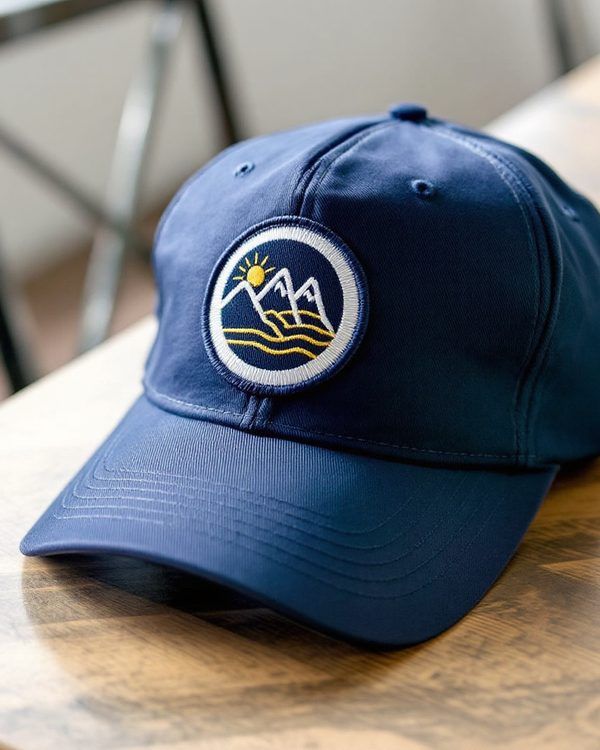
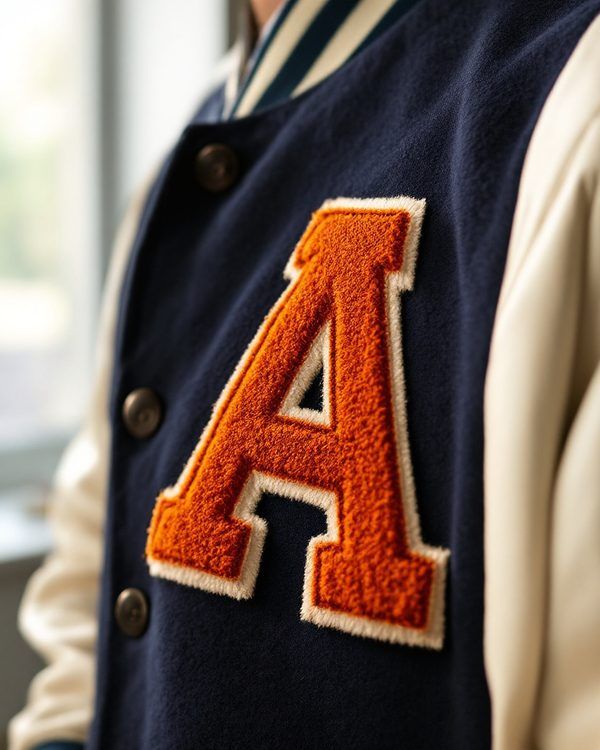
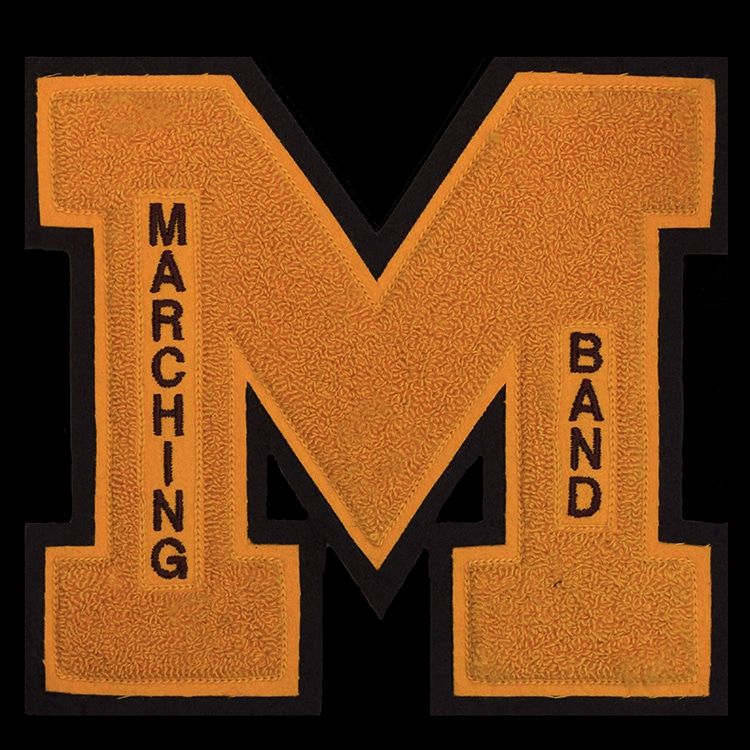
For school and varsity wear, chenille patches are the classic letter and mascot look, and satin tackle twill is common for numbers and jersey crests. For jackets, bags and caps, embroidered patches are the usual choice. For detailed crests with small text, woven holds more. The sports section of the patches page shows common team uses, and our sports team patches guide goes deeper.
Build one roster
The roster is the most important document in a team order. Use one spreadsheet with one row per person, and include every detail that changes from member to member. Lock it on your deadline date, then send it with your quote request.
| Column | Example | Why it matters |
|---|---|---|
| Name as it should appear | J. MARTINEZ | Spelling and capitals exactly as stitched |
| Number | 12 | Duplicates are easy to miss |
| Version | Player, coach or officer | Sets which design each person gets |
| Quantity | 2 | Some members want a spare |
| Backing | Sew-on | Depends on the garment |
| Paid | Yes | Avoids chasing money after delivery |
Before you send it, sort by name and by number to catch duplicates, and ask each member to confirm their own row. A name spelled wrongly on a roster is spelled wrongly on the patch. If you are ordering name patches as part of the set, see custom name patches for sizing and lettering.
Quantities, spares and minimums
Order a few more than the roster. New members join mid-season, patches get lost, and a spare is far easier than a reorder of five pieces. Our custom minimum starts from 100 pieces and varies by product, confirmed on the quote. If your team is small, consider combining with other teams in the club or league, or ordering several seasons' worth of a design that does not carry a year. Our guide to patch minimum orders explains why minimums exist.
Spares also cover problems outside your control, such as a patch ironed on crooked or a jacket that shrinks in the wash. A handful of extra patches in the coordinator's box solves those problems in a day instead of a month.
Backing and who attaches the patches
Decide who will put the patches on. If a local tailor or a jacket supplier sews them, choose a sew-on backing. If families will attach them at home on cotton garments, iron-on is convenient, though stitching around the edge still makes it last longer. For bags and gear that swap between members, hook-and-loop lets a patch move from one item to another. Whatever you choose, agree one placement so every member's patch sits in the same spot.
Work back from the date you need them
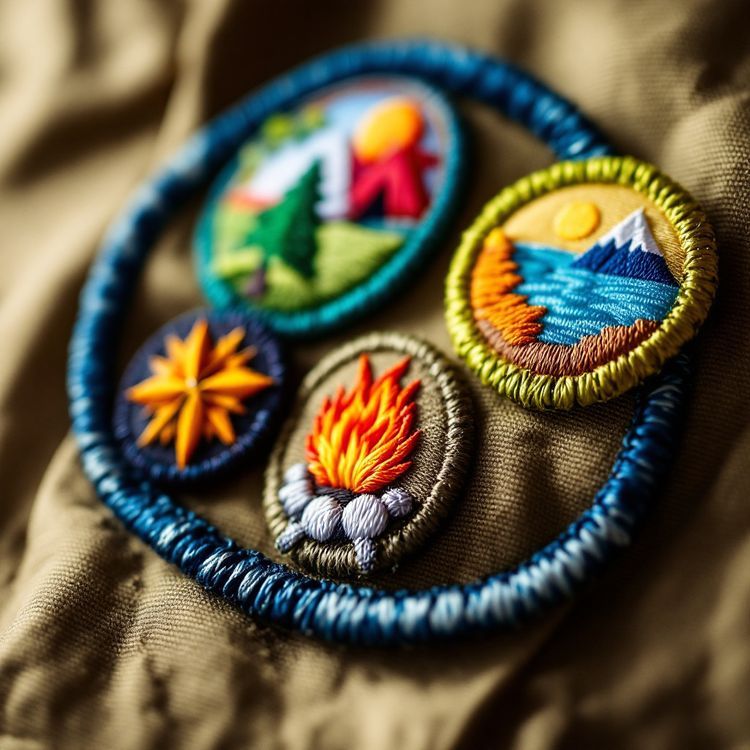
Pick the date the patches must be in hand, such as the first game, the banquet or the start of camp, then count backwards. Allow 2 to 3 business days for the quote, 1 to 3 business days for the proof after artwork, about 3 to 4 weeks of production after written approval, and UPS shipping from Holly Hill, Florida. Then add a week of your own for collecting the roster and handing patches out. Rush production of around 10 business days is sometimes possible when the factory can hold it. Our guide to how long custom patches take has the full timeline.
Approve the proof, then hand out
When the proof arrives, the coordinator checks it against the roster, line by line, and the design approver signs off in writing. Use our proof checklist. When the patches arrive, count them against the roster before handing them out, and bag each member's patches with their name on the bag. Keep the spares and the approved proof together for next season.
After the season, note what worked: how many spares were used, whether the backing held up, and whether the size suited the garments. Those notes make next year's order quicker, and they tell the next coordinator where to start if the job changes hands.
Ready to start? Send your design, roster and in-hands date for a quote.