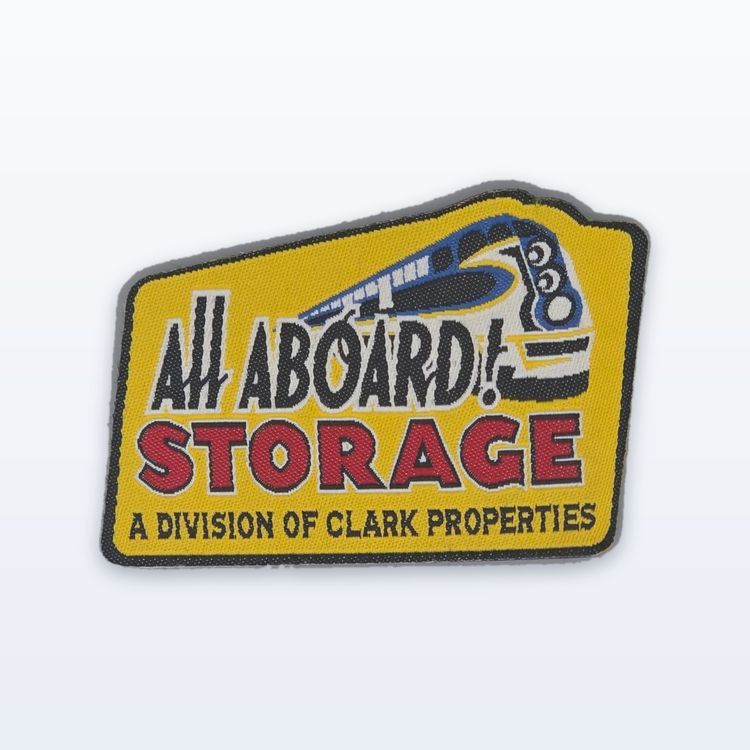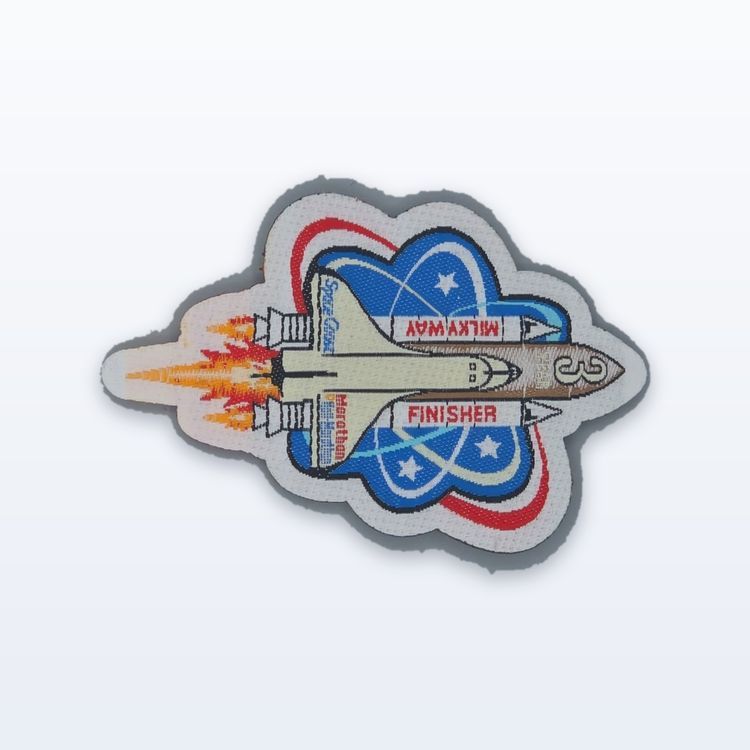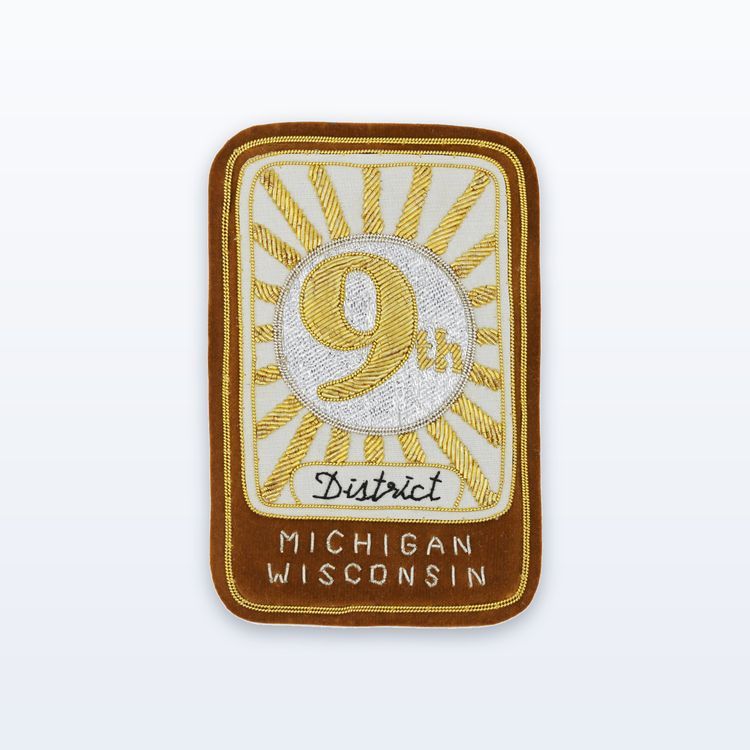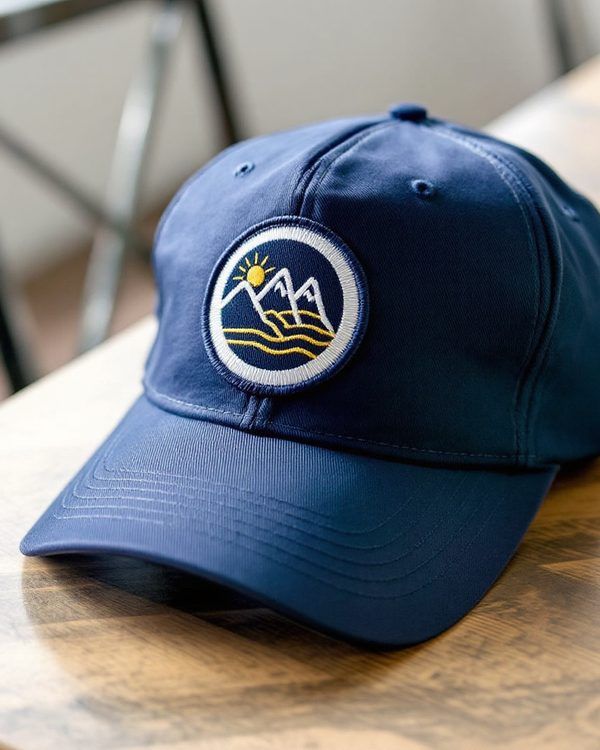
Hotel uniform patches are smaller and more refined than most work patches: usually a 2.5 to 3 in (64 to 76 mm) woven or embroidered crest on the left chest of a blazer, vest, tunic or polo, sewn on, in thread matched to the brand colours. Woven patches give the clean, detailed look that suits front of house; embroidered patches suit bell, valet and kitchen staff; and hand embroidered bullion crests suit luxury blazers. Restaurants follow the same logic on chef coats, aprons and server shirts.
Below we break down patches by role, cover brand standards and colour matching, explain what commercial laundering does to a patch, and list the pins, cuff links, labels and tags that finish a hospitality uniform program.
Patches by role
A hotel or resort usually has several uniform styles, and each one suits a different patch. Planning them together keeps the brand consistent from the front door to the kitchen.
| Role | Garment | Suggested patch |
|---|---|---|
| Front desk and concierge | Blazer or vest | Woven or bullion crest, about 2.5 to 3 in |
| Doormen, bell and valet | Jacket, coat or cap | Embroidered patch, about 3 in |
| Housekeeping | Tunic or dress | Thin woven patch, about 2.5 in |
| Kitchen | Chef coat sleeve or chest | Embroidered patch, about 3 in |
| Servers and bar | Shirt, vest or apron | Woven or embroidered, about 2.5 to 3 in |
| Pool, spa and golf | Polo or cap | Woven or embroidered, about 2.5 in |
Front of house
Guests see front desk and concierge staff up close, so the patch should look like part of the garment, not an afterthought. A woven patch is flat and fine, holds a detailed crest and small lettering, and sits neatly on a blazer pocket. For a classic or luxury property, a hand embroidered bullion crest in gold or silver wire gives the formal look of a club blazer; our guide to bullion patches explains how they are made and cared for.
Bell, valet and back of house
Bell staff, valets and doormen work outdoors and handle bags all day. Embroidered patches with a merrowed edge stand up to that wear and read from the curb. Housekeeping tunics are lighter, so a thin woven patch keeps them comfortable. In the kitchen, a sleeve patch on the chef coat leaves the chest free for the chef's name.
Brand standards and colour matching
Hotels that belong to a brand or franchise usually work under brand standards that set the logo, colours and sometimes the exact uniform. Before you order, get the approved logo files and colour references from the brand team, and confirm whether patches need its sign-off. An independent property has more freedom, but the same discipline helps: one master logo file, one set of thread colours and one size per placement.
Patches use solid thread colours matched as closely as possible to your references. Send Pantone numbers if your brand has them, and expect thread to look slightly different from print because of its sheen. Our guide to thread colours and Pantone matching explains what to expect. The proof is the moment to check colour, so review it next to an existing uniform if you can.
Commercial laundering and care
Most hotel and restaurant uniforms go through a commercial or in-house laundry, often in hot water, sometimes with bleach for whites and chef coats. A patch needs to survive that.
- Choose sew-on backing. Heat seal glue can loosen through repeated hot washes and tumble drying.
- Ask for polyester thread, which generally resists bleach and heat better than rayon.
- Use a merrowed edge or a tightly sealed heat cut edge, so no loose ends catch in the machines.
- Have the uniform supplier or a local tailor sew patches in one batch, so placement matches across the team.
- Keep a small stock of spare patches for new hires and damaged garments.
Placement matters as much as construction. Our guide to where to put patches on a shirt gives the standard chest and sleeve measurements, which also apply to polos and tunics.
Restaurants and food service
Restaurants often use patches more freely than hotels. A sleeve patch on chef coats, a chest patch on server shirts, a patch on canvas aprons and an iron-on patch on staff tees can all carry the same logo. Aprons are a good home for patches because they are sturdy and the patch moves with the apron, not the shirt underneath. Many restaurants also sell caps or tees with the same patch as merchandise, which makes the uniform order and the retail order share one design.
If you sell branded goods, woven labels add a finished touch inside the garments or on a tote, and a label with a short message stitched in is a small detail guests notice.

See our woven labels page for folds, sizes and finishes.
Pins, cuff links and guest touches
Hospitality uniforms often use metal accents as well as patches. Lapel pins in the hotel's crest work on blazers where a patch would feel too casual, and service pins recognize years with the property. Formal properties sometimes issue custom cuff links and tie bars to front of house staff, which keeps details consistent across a team. Choose a finish that matches the buttons and name badges already on the uniform, so gold and silver tones do not clash.
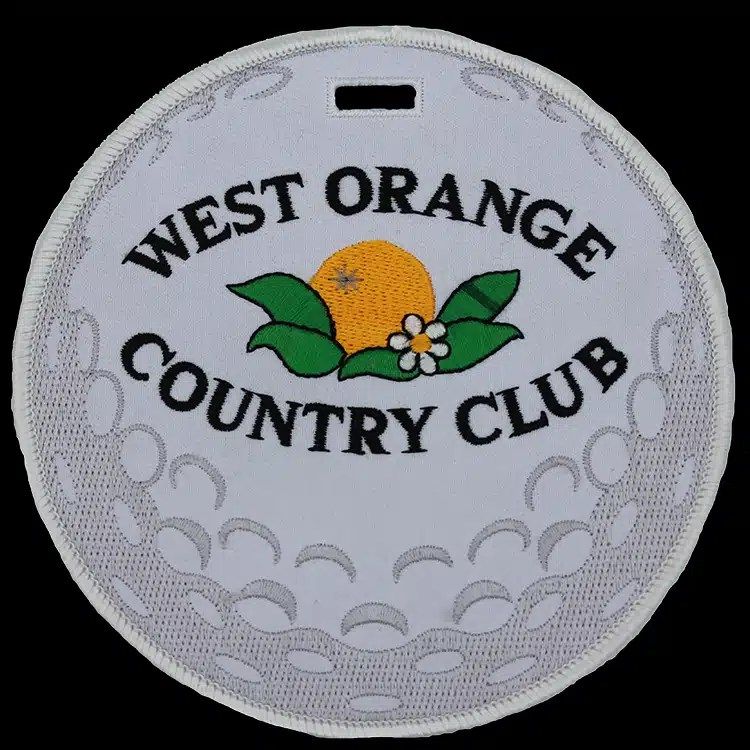
For guests, embroidered luggage tags make a memorable amenity for loyalty members, golf and country club members or wedding parties. They carry the property's crest and, unlike paper tags, travel with the guest long after checkout. Our luggage tags page shows shapes and straps. Event and banquet teams also use printed lanyards to hold staff credentials during conferences.
Ordering for one property or a group
Hospitality teams turn over steadily, so plan patches for steady reorders rather than one big run. Once your patch is made, the digitizing stays on file, and reorders skip the setup and match the earlier run. Groups with several properties can share one master design with the property name in a small line below.
Send your approved artwork (AI, EPS or PDF are cleanest; a PNG or a photo of a current patch is fine), the sizes for each role, quantities, backing and your in-hands date. We return a quote in 2 to 3 business days, a proof about 1 to 3 business days after artwork, and production takes about 3 to 4 weeks after you approve the proof in writing. The minimum starts from 100 pieces and is confirmed on your quote. When you are ready, request a quote.