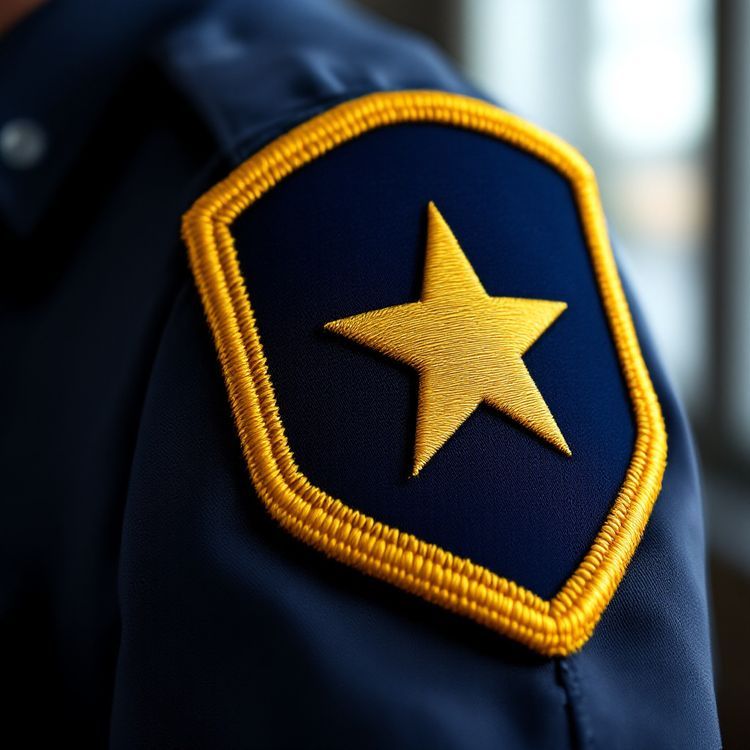
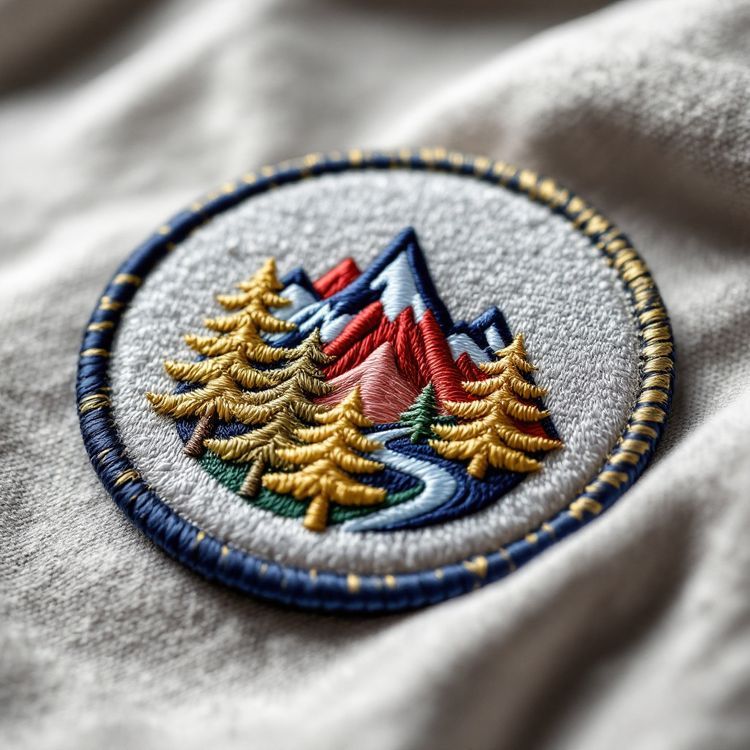
Embroidery stitches thread into or onto the garment, so it has texture, a premium look and excellent durability on polos, jackets, caps and workwear. Screen printing pushes ink through a mesh stencil onto the fabric, so it is flat, soft, and suited to large designs on T-shirts and light garments. As a rule, choose embroidery for small logos on heavier or higher value garments, and screen printing for big, colourful artwork on tees. Embroidered patches give you the embroidered look on any garment, and they can be moved or reapplied.
This guide compares the two methods on look, durability, detail, garments and ordering, and explains where patches and heat transfers fit as alternatives.
How each method works
Embroidery
Your artwork is digitized into a stitch file, and an embroidery machine sews the design in polyester or rayon thread. The thread sits on the surface with height and sheen. Embroidery can be done directly on the garment, or on a separate patch that is then attached.
Screen printing
A separate mesh screen is made for each colour in the design. Ink is pushed through each screen in turn onto the fabric, then cured with heat. The result is a flat layer of ink that becomes part of the shirt's surface. Plastisol and water-based inks are both common, and they feel different on the fabric.
Patchworks USA makes patches, StudStone rhinestone heat transfers and other branded products rather than screen printing, so we describe printing here neutrally to help you compare.
Embroidery vs screen printing at a glance
| Factor | Embroidery | Screen printing |
|---|---|---|
| Look | Raised, textured, slight sheen | Flat, smooth, bold colour |
| Feel | Stiffer where stitched | Soft, especially water-based ink |
| Design size | Best for small to medium logos | Handles large front and back designs |
| Fine detail | Lettering down to about 1/4 in cap height | Holds fine lines and small text well |
| Gradients | Solid thread colours only | Possible with halftones |
| Durability | Excellent, does not crack or fade much | Good, can crack or fade over many washes |
| Best garments | Polos, jackets, caps, workwear, bags | T-shirts, hoodies, light shirts |
| Perceived value | Premium, professional | Casual, promotional |
Look, feel and perceived value
Embroidery has a dimensional, tailored look. A stitched logo on a polo or jacket signals a uniform or a quality product, which is why it is the default for corporate apparel, hospitality, trades and staff wear. The trade-off is weight: a large embroidered area is stiff and heavy, so embroidery is rarely used to cover the whole front of a T-shirt.
Screen printing is flat and light. A large print on the front of a tee moves with the fabric and stays comfortable, and colours can be bright and saturated. It is the standard for event shirts, band merch, giveaways and anything where the artwork itself is the point.
Durability over time
Embroidery is one of the longest lasting decorations you can put on a garment. Polyester thread holds its colour, does not crack, and survives heavy washing, which is why it is used on uniforms and workwear that are laundered constantly. Often the garment wears out before the embroidery does.
A good screen print also lasts a long time, but ink sits on the fabric surface. Over many washes, prints can fade, crack or peel, especially with hot dryers. Following the care label (wash inside out, cool water, low heat) helps a print last.
Detail, colour and artwork
Screen printing handles fine lines, small text and halftone shading well, since ink can be laid down very precisely. Each colour needs its own screen, so designs with many colours add setup.
Embroidery works in solid blocks of thread. As a general guide, embroidered lettering needs about 1/4 in (6 mm) cap height to stay readable, and lines under about 1 mm do not stitch cleanly. Gradients turn into bands of solid colour. If your design depends on fine detail but you want a textile badge rather than a print, a woven patch holds much smaller detail than embroidery, and a sublimated patch prints full colour and gradients onto a patch.
Our guide to preparing artwork for embroidery covers how to adapt a print logo for thread.
Which garments suit each method
- Polos and button-down shirts: embroidery or patches on the left chest. Prints can look out of place on a dress shirt.
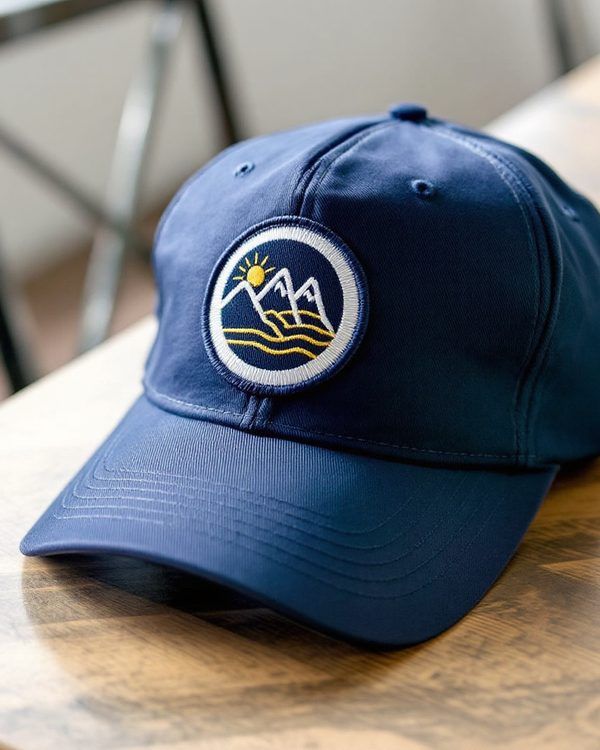
- Caps and beanies: embroidery or patches. Printing on curved, structured panels is limited.
- Jackets, fleece and outerwear: embroidery and patches handle heavy fabric well and suit the premium look.
- T-shirts: screen printing for large designs, embroidery for a small chest logo.
- Hoodies: either. Prints for big front designs, patches or embroidery for a subtle logo.
- Bags, totes and gear: patches attach easily and survive abrasion.
Where patches and transfers fit
Patches sit between the two methods. You get the texture and durability of embroidery, but the decoration is made separately, so you can put the same emblem on shirts, jackets, caps and bags from any supplier, keep a stock for new staff, and replace garments without re-decorating. Our comparison of patches and direct embroidery goes into those trade-offs.
Patches also give you finishes neither method offers, such as chenille for letterman jackets, a merrowed border for a classic badge look, or hook-and-loop for gear. For a bit of sparkle on apparel, StudStone rhinestone heat transfers press onto shirts, hoodies and bags with heat, a popular choice for dance teams, boutiques and events.
How to choose for your order
Start with three questions: what garment, how big a design, and how long it has to last.
- Small logo, premium garment, years of wear: embroidery or a sewn-on patch.
- Large, colourful artwork on T-shirts for an event: screen printing.
- Same emblem across mixed garments, or staff turnover: patches.
- Fine detail on a textile badge: woven patch. Photo or gradient: sublimated patch.
Many programs use more than one method. A company might screen print T-shirts for a trade show, embroider polos for front of house staff, and put sewn-on patches on jackets and caps for the field team. That is fine, as long as the logo is consistent. Keep one approved version of the artwork, note the Pantone references for each colour, and share a simplified version for thread so the embroidered pieces match the printed ones as closely as possible. Our guide to designing a patch covers simplifying a logo for thread.
If patches are part of your plan, send your artwork for a quote with the size, quantity, construction and backing. Quotes come back in 2 to 3 business days, and nothing is made until you approve the proof in writing.