Custom photo patches are made by sublimation: your image is printed with heat-activated dye that bonds into a polyester fabric surface, then the patch is cut and finished with a merrowed or heat cut edge. That is the only patch construction that reproduces a real photograph, a soft gradient or detailed full colour artwork. If your design is a pet portrait, a memorial photo, an event poster or a logo built on shading, a sublimated patch is the one to order.
Below we explain how photo patches are made, how to prepare an image that prints well, where they work best and what to put on your quote request.
Why thread cannot print a photo
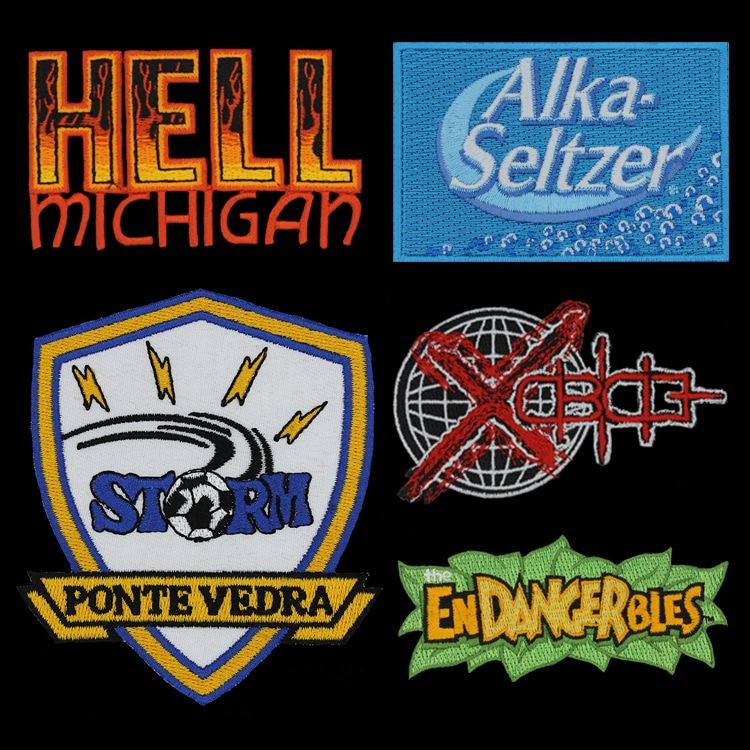
Embroidered and woven patches build the design from solid thread colours. Each colour is a separate thread, and a design can carry only a limited number of them. A photograph contains thousands of tones that blend smoothly into one another, so in thread it gets flattened into bands of solid colour and loses the faces, skies and textures that made it a photo.
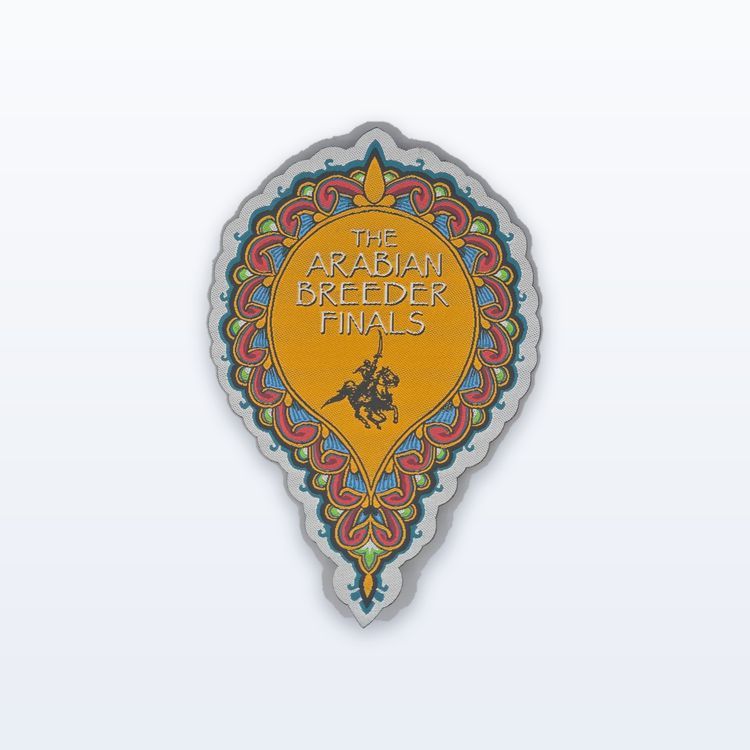
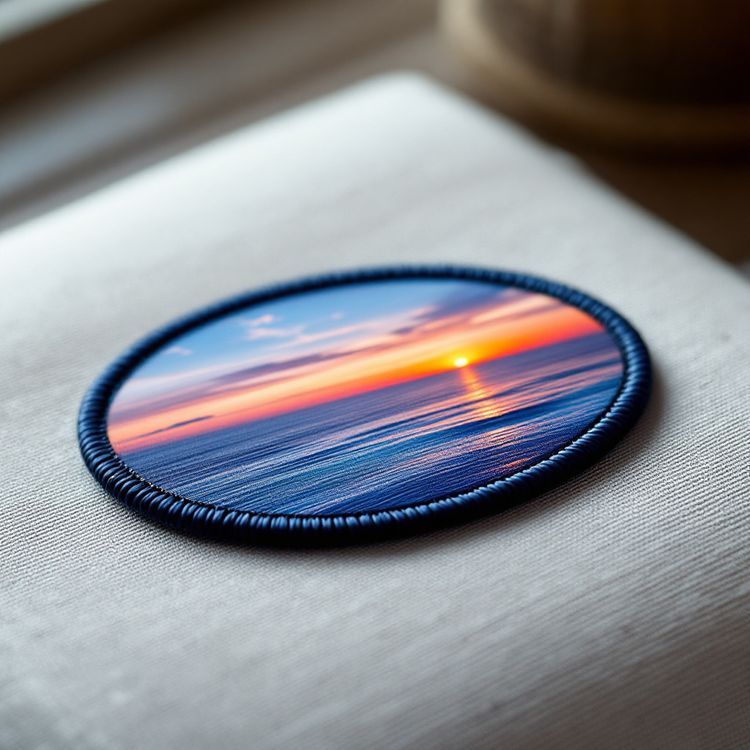
Sublimation works the other way round. The printer lays down tiny dots of dye that blend optically, just as a photo print does, so continuous tone, fine shading and small colour detail survive. The trade-off is texture: a sublimated patch is flat, without the raised stitching of embroidery.
How a sublimated photo patch is made
Typically, the image is printed in mirror image onto transfer paper with sublimation inks. The paper is then pressed against a white or light polyester fabric under high heat and pressure. The heat turns the dye into a gas that bonds into the polyester fibers, and as it cools the colour is locked into the fabric rather than sitting on top as a layer of ink.
Because the dye becomes part of the fabric, the print does not crack or peel the way a surface print can. The printed fabric is then cut to shape, finished with a border, and given its backing.
What photo patches are good for
- Memorial patches. A photo of a fallen officer, firefighter or family member, often with a name and dates.
- Pet and K9 portraits. A dog's face, a horse, a team mascot animal.
- Event and tour art. Posters, album art and illustrated graphics with lots of colour.
- Landscapes and scenes. Sunsets, skylines, mountains and ocean views with soft skies.
- Logos with gradients. Modern marks that rely on colour blends or metallic-looking shading.
- Fine illustration. Detailed artwork that would need heavy simplification to stitch.
For bold logos and uniform emblems, embroidery usually still looks better and has the classic patch feel. Our comparison of sublimated vs embroidered patches helps if you are torn between the two.
Preparing your photo so it prints well
A patch is small, so a photo has to work hard. These steps make the biggest difference.
Start with the largest file you have
Send the original image, not a screenshot or a version saved from social media. As a rule of thumb, aim for about 300 pixels per inch at the finished patch size. For a 3 in (76 mm) patch, that means roughly 900 pixels across or more. A photo of a printed photo works in a pinch, but it will be softer than the original.
Crop tight on the subject
A face that fills half the frame will be recognizable on a patch. A person standing in the distance will not. Crop so the subject fills most of the shape, and leave room inside the border for any text.
Check contrast and lighting
Dark, low-contrast photos lose detail at small sizes. A well-lit image with a clear separation between subject and background prints best. The proof will show how the image reads, so judge it at actual size.
Keep text bold
Names, dates and short captions can be printed sharply, but they still need to be legible on a small patch. Use a clean, bold font with strong contrast against the image behind it.
Sizes, shapes, edges and backings
Photo patches come in the same range of shapes as other patches. Circles, ovals, rectangles and shields suit a merrowed border, which frames a photo nicely. A heat cut edge can follow a custom outline, such as the silhouette of a dog or a state shape.
| Choice | Options | When to choose it |
|---|---|---|
| Edge | Merrowed | Round, oval, rectangle and shield shapes with a framed look |
| Edge | Heat cut | Custom outlines and die cut silhouettes |
| Backing | Sew-on | Uniforms and garments washed often |
| Backing | Iron-on | Cotton and blends you want to attach at home |
| Backing | Hook-and-loop | Vests, bags and gear where the patch may come off |
Size is driven by how much detail the image holds. Most portraits look best at about 3 in (76 mm) or larger. Our patch size guide shows common sizes by placement.
Planning a memorial photo patch
Memorial patches are one of the most common reasons people order photo patches, and they deserve extra care in the details.
- Choose a photo the family is comfortable seeing on a patch. Ask before you design.
- Check every name, rank, badge number and date against an official record. Spelling errors are the hardest thing to fix after production.
- Pick a simple frame: a merrowed border in a department colour, or a thin printed band with the name.
- Agree the backing with how it will be worn. Many departments sew memorial patches onto uniforms. Families often want iron-on for jackets.
- Order a few extra for the family, for framing and for later requests.
If you plan to combine a photo patch with your department's regular emblem, our guides to fire department patches and police and sheriff patches cover the uniform side.
Care and durability
Because the dye bonds into the fabric, sublimated prints hold up well to washing. Like any patch, they last longest if you wash the garment inside out on a gentle, cool cycle and skip high dryer heat. Direct sunlight over long periods can fade printed colour, so a memorial patch displayed in a sunny window will dull faster than one worn on a jacket.
Ordering custom photo patches
Send the image, the size and shape, edge, backing, quantity and any text you want added. Custom minimums start from 100 pieces and vary by product, confirmed on the quote. Quotes typically return in 2 to 3 business days, a proof usually follows within 1 to 3 business days of final artwork, and production runs about 3 to 4 weeks after approval.
You will see a proof of the cropped, sized image before anything is made, and nothing runs until you approve it in writing. Send us your photo for a quote.