There are six main types of custom patches: embroidered, woven, chenille, satin tackle twill, hand embroidered bullion and sublimated. Embroidered is the all-round default for logos and uniforms. Woven holds fine detail and small text. Chenille gives the fuzzy varsity look. Tackle twill is for big letters and numbers. Bullion is the formal metallic crest. Sublimated prints photos and gradients in full colour. The right one depends on your artwork, the size you need and where the patch will be worn.
This guide explains how each construction is made, where it works best and where it struggles, then gives you a short way to decide before you ask for a quote.
Why the construction matters more than the shape
Most people start a patch order thinking about shape and size. Those matter, but the construction decides what your design can actually look like. Thread stitched on top of fabric, thread woven into fabric, tufted yarn, cut fabric pieces, metal wire and dye print each have their own limits on detail, colour, thickness and feel.
A seal with tiny lettering can be perfect as a woven patch and unreadable as embroidery at the same size. A photo of a dog cannot be stitched at all, but it prints well. A varsity letter looks flat and plain in anything other than chenille. Picking the construction first saves a round of revised proofs later.
The six types of patches, one by one
Embroidered patches
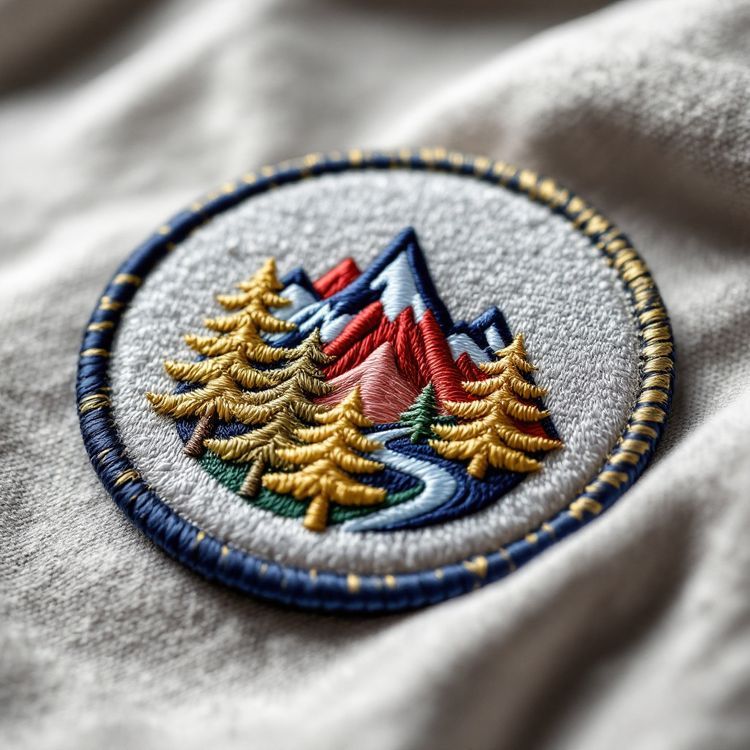
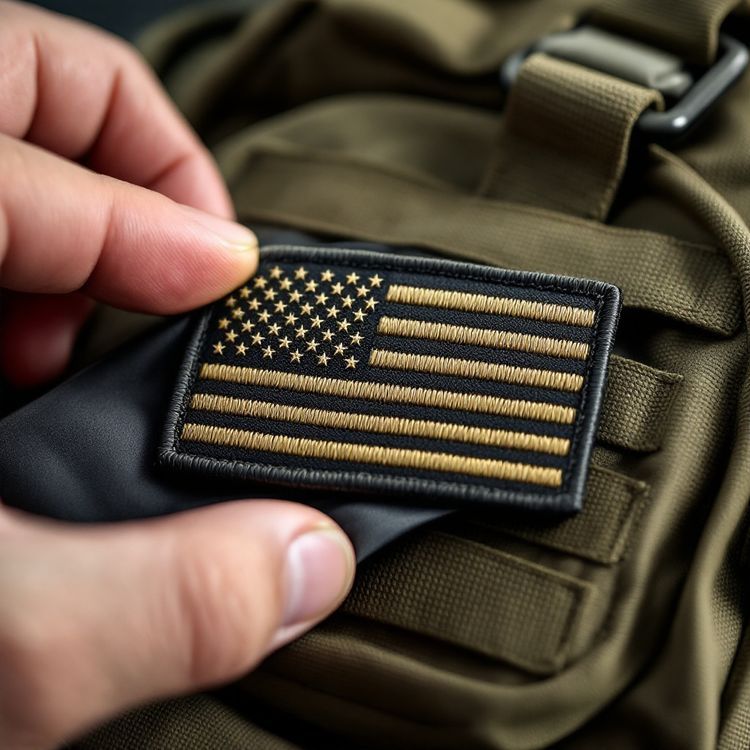
Embroidered patches are made by machine stitching thread onto a twill or felt base. The thread sits on top, so the patch has raised texture and a slight sheen. They suit logos, crests, uniform emblems, cap fronts and most club and company patches. The main limit is detail: as a general guide, lettering under about 1/4 in (6 mm) tall and lines thinner than about 1 mm do not stitch cleanly. Our embroidered patch guide covers coverage, base fabric and thread colours in depth.
Woven patches
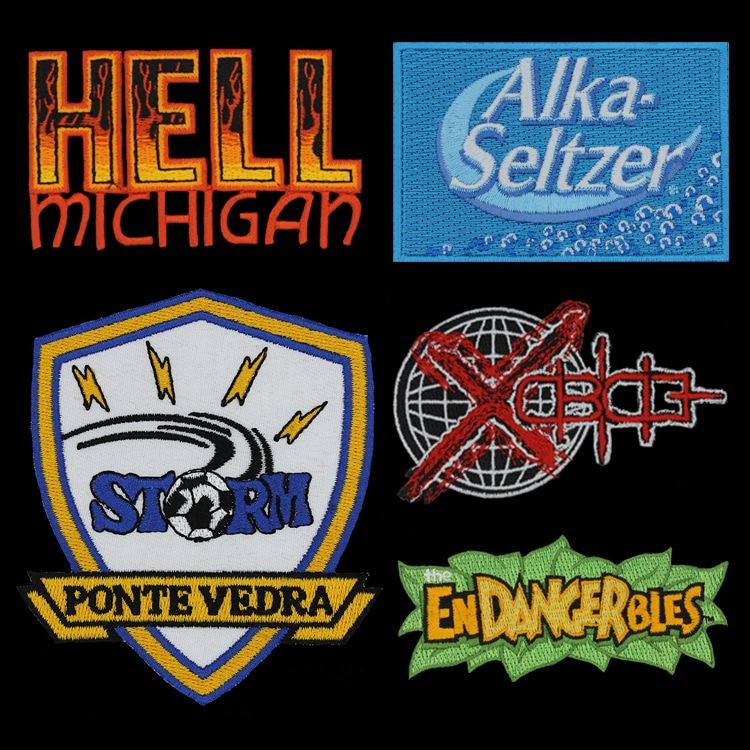
Woven patches are made on a loom from fine thread, the same way a clothing label is made. The design is built into the weave, so the patch is thin, flat and flexible, and it holds much smaller text and finer lines than embroidery. Choose woven for detailed seals, long names, small lettering and lightweight garments.
Chenille patches
Chenille is a tufted yarn worked into a looped, towel-like pile on a felt base, usually with embroidered outlines or small text added on top. It is thick, soft and highly textured, which is why it is the standard for letterman jacket letters, mascots and bold back patches. It needs a fairly large size and simple shapes to look right.
Satin tackle twill patches
Tackle twill is cut pieces of twill fabric layered and stitched down around their edges with a zigzag or satin stitch. It is the look of athletic jersey numbers and collegiate lettering: bold, flat colour areas with a clean stitched border. It suits large letters, numbers and simple graphics, and it stays fairly light even at big sizes.
Hand embroidered bullion patches
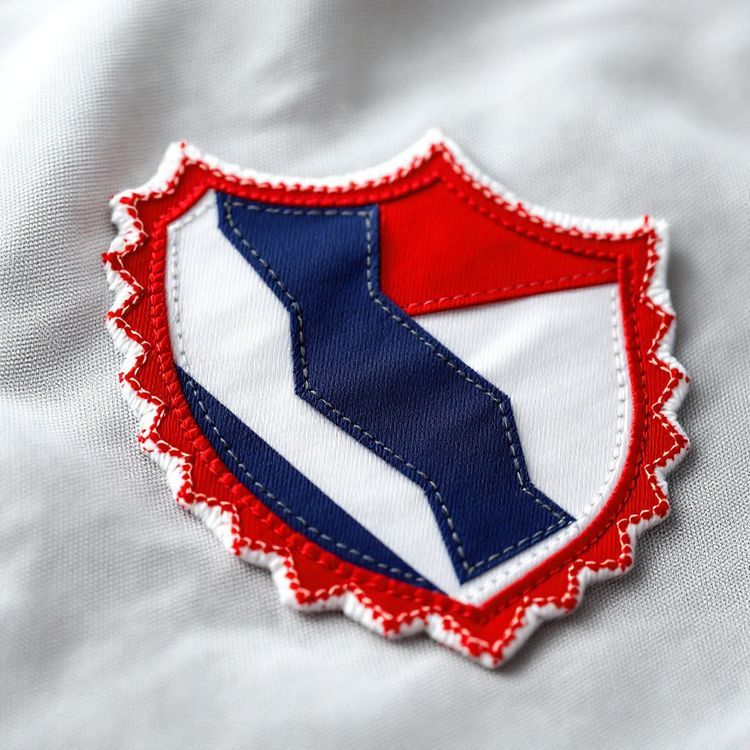
Bullion patches are worked by hand with coiled metallic wire, often in gold or silver, on a velvet or twill base. They have real depth and a formal, ceremonial look. You see them as blazer crests, dress uniform insignia and lodge regalia. They are worn on clothing that is rarely laundered, since wire does not take kindly to a washing machine.
Sublimated patches
Sublimated patches are dye printed in full colour onto a fabric surface and finished with a merrowed or heat cut edge. They reproduce photographs, gradients, shading and fine colour detail that no thread can match. The surface is flat, without the texture of stitching.
Patch types compared at a glance
| Type | How it is made | Surface | Best for | Main limit |
|---|---|---|---|---|
| Embroidered | Thread stitched onto twill or felt | Raised, textured | Logos, uniforms, caps, clubs | Small text and thin lines |
| Woven | Fine thread woven on a loom | Flat, smooth | Seals, small text, light fabrics | No raised texture |
| Chenille | Tufted yarn on felt | Thick, fuzzy pile | Varsity letters, mascots | Needs large, simple shapes |
| Tackle twill | Cut twill pieces stitched down | Flat fabric with stitched edge | Jersey letters and numbers | Little fine detail |
| Bullion | Metallic wire worked by hand | Deep, metallic relief | Blazer crests, ceremony | Not for regular washing |
| Sublimated | Dye printed onto fabric | Flat, printed | Photos, gradients, full colour | No thread texture |
Choosing by artwork
Look at your design at the size you actually need, then ask three questions.
- Is there a photograph, gradient or soft shading that has to stay? Choose sublimated.
- Is the smallest text under about 1/4 in (6 mm), or are there hairline borders and fine scrollwork? Choose woven.
- Is the design bold, with short text and clear shapes? Embroidered is the safe default.
- Is it a single big letter, a mascot or a number for a jacket or jersey? Choose chenille or tackle twill.
- Is it a formal crest for a blazer, a dress uniform or a lodge? Consider bullion.
If you are close to a limit, size is often the lever. A logo that needs woven at 2 in (51 mm) may embroider well at 3.5 in (89 mm). Our patch size guide shows typical sizes for chest, sleeve, cap and back placements.
Choosing by where the patch will be worn
The garment and the way it is used narrow the choice further.
Work uniforms and public safety. Embroidered is the usual choice for police, fire and EMS shoulder patches because it is durable and reads well at a distance. When the department seal has fine lettering, woven or a larger embroidered size keeps it readable.
Caps and lightweight shirts. Embroidered works on structured caps. On thin polos and performance shirts, a woven patch sits flatter and adds less weight.
Letterman and varsity jackets. Chenille letters with embroidered details are the tradition. Our post on chenille vs embroidered patches compares the two side by side.
Team jerseys. Tackle twill letters and numbers are the classic jersey treatment. See our guide to tackle twill letters and numbers for sizing and layout.
Formal and ceremonial wear. Bullion crests on blazers, plus embroidered or woven versions for everyday garments, are a common pairing.
Events, merch and memorials. Sublimated handles full colour art, event posters and photographs. Embroidered and woven suit merch that should feel like a classic patch.
Backings and edges work across most types
Once the construction is chosen, you pick how the patch attaches and how the edge is finished. Backing options are sew-on, iron-on (heat seal), hook-and-loop and rigid plastic. Edges are merrowed, the raised wrapped border for simple shapes, or heat cut, sealed right to a custom outline.
Not every combination suits every construction. Bullion is normally sewn on. Chenille is usually sewn because of its thickness. Iron-on works best on fabrics that can take the heat. Our guide to patch backing types explains each option and when to choose it.
Preview the options, then get a quote
If you are deciding between embroidered and woven, upload your logo to the free Patch Studio and switch between them at your size. It is a rendering, and we still review your detail and size ourselves when we quote.
When you are ready, send your artwork for a quote with the size, quantity, construction (or two to compare), backing and in-hands date. Quotes typically come back in 2 to 3 business days, and nothing is made until you approve the proof in writing.