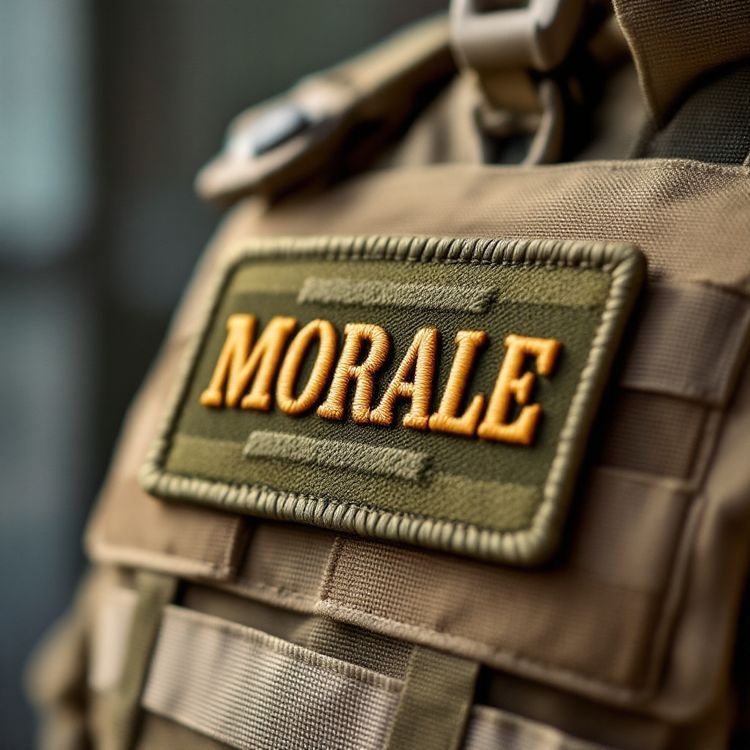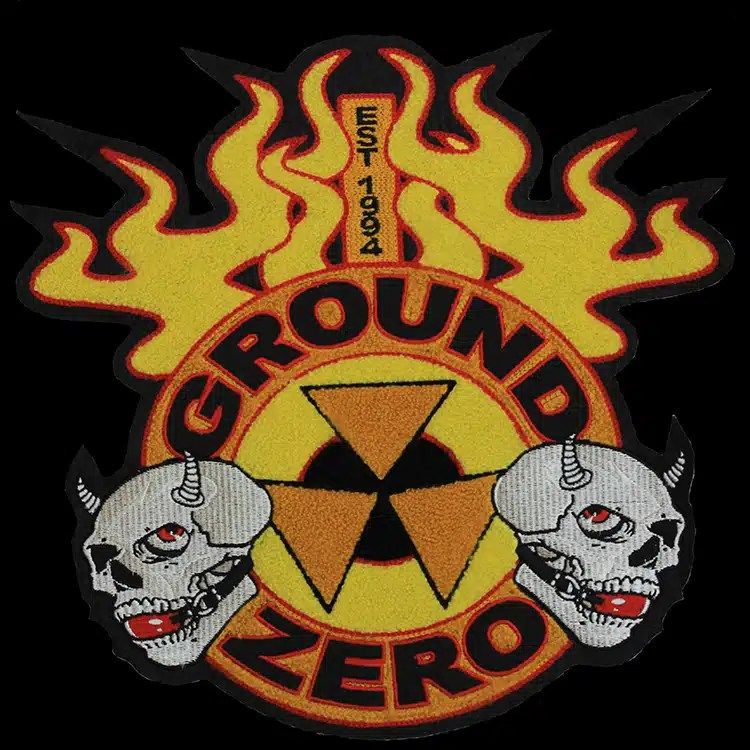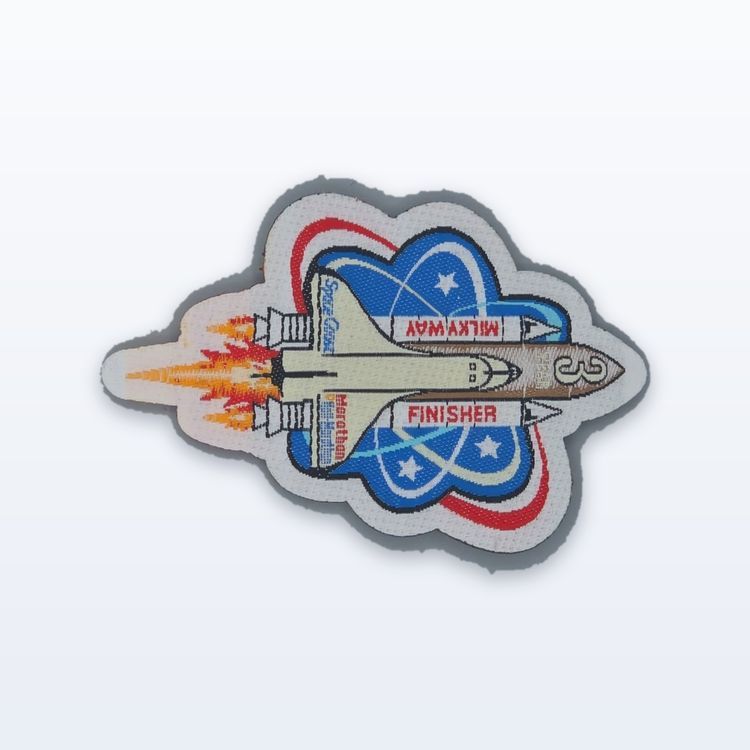
Custom veteran patches usually fall into three groups: service patches that show a branch, era or unit, organization patches for a post, chapter or reunion group, and memorial patches that honor a fallen service member. Most are embroidered, 3 to 4 in (76 to 102 mm) across, and worn on vests, jackets and caps. Before you design one, check two things: how the US flag is shown, and whether you need permission to use an official branch emblem.
This guide is for veterans' posts and chapters, reunion organizers, motorcycle groups made up of veterans, and families planning a memorial. It covers design ideas, the rules worth knowing, and how to order in a way that suits groups of every size.
Types of veteran patches
Service and era patches
These identify where and when a veteran served: a branch name, a conflict or era (for example, Vietnam, Desert Storm, Iraq or Afghanistan), and often a rocker reading VETERAN. They are popular as individual keepsakes and as group orders for a post or unit association.
Organization patches
Posts, chapters, honor guards and reunion groups use a patch as a shared identity. A typical design carries the group's name and number, a central emblem, and the town or state. Reunion patches often add the year and location of the gathering.
Memorial patches
A memorial patch honors a specific person or a group lost in service. Common elements are the name, rank, dates, a battlefield cross (rifle, boots and helmet), a folded flag or a simple black band. Families, units and fundraising efforts often order these for a memorial ride, a 5K or a scholarship event.
Design ideas that stitch well
Veteran patches carry a lot of meaning, and it is tempting to include every element. A patch reads better with one central image and short lettering.
- Choose one symbol: an eagle, a flag, a battlefield cross, a dog tag outline or a map of the service region.
- Put the branch or group name in an arched band, with the era or dates in the bottom band.
- Use a rocker below the main patch for VETERAN, a unit name or a chapter, rather than crowding the center.
- Keep text large. As a general guide, embroidered lettering needs a cap height of about 1/4 in (6 mm) to stay readable.
- For a photo of the person being remembered, a sublimated patch prints the image in full colour.
Campaign ribbon colours make an effective border or background stripe, and they are recognized instantly by other veterans. Our guide on how to design a patch covers shape, colour count and detail limits in more depth.
Flag patches and the US Flag Code
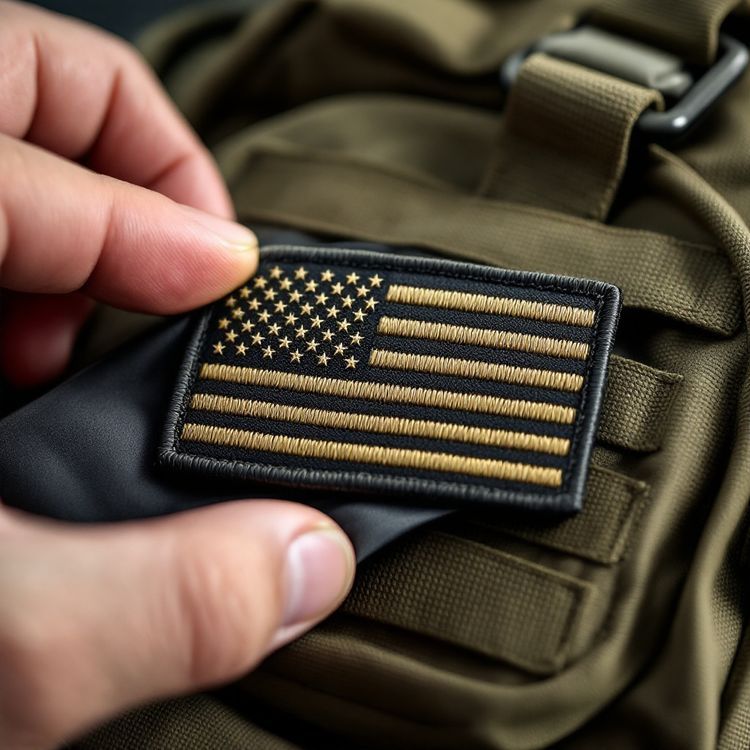
The US Flag Code (Title 4 of the US Code) says that a flag patch may be worn on the uniform of military personnel, firefighters, police officers and members of patriotic organizations. Veterans' organizations commonly fall under that last group. The Flag Code is guidance rather than an enforced law for civilians, but most veterans follow it closely.
On military uniforms, a flag on the right shoulder is shown reversed, with the stars (the union) at the upper right, so the flag looks as if it is flying forward as the wearer moves. Many veterans keep that convention on vests and jackets. If you want both a forward and a reversed flag, order them as two separate designs on the same quote. You can read the full text of the Flag Code in Title 4 of the US Code, and each branch's uniform regulation describes flag placement on uniforms.
Official emblems, trademarks and honest designs
The names, seals and emblems of the US Army, Navy, Air Force, Marine Corps, Space Force and Coast Guard are protected, and each service runs a trademark licensing program. For a patch you plan to sell, or one that uses an official seal or emblem, contact the branch's trademark licensing office before you order. A design built around your own artwork, such as an eagle and the words ARMY VETERAN in your own lettering, is usually simpler.
Keep veteran designs truthful. The Stolen Valor Act of 2013 makes it a federal crime to fraudulently claim certain military decorations in order to obtain money, property or another tangible benefit. That is aimed at fraud, not at patches, but it is a good reason to avoid designs that could be read as claiming an award or qualification the wearer did not earn.
Backings and placement for vests, jackets and caps
| Where | Typical patch | Approximate size | Backing |
|---|---|---|---|
| Vest front | Branch, era or post patch | 3 to 4 in (76 to 102 mm) | Sew-on |
| Vest or jacket back | Large organization or memorial patch | About 10 to 12 in (254 to 305 mm) | Sew-on |
| Below the main patch | VETERAN or unit rocker | About 4 in (102 mm) wide or more | Sew-on |
| Cap front | Branch or era patch | About 2 to 3 in (51 to 76 mm) | Sew-on or iron-on |
| Backpack or range bag | Flag or unit patch | About 2 x 3 in (51 x 76 mm) | Hook-and-loop |
Leather and denim vests are best sewn: iron-on adhesive does not bond well to leather and should not be heated on it. For a full layout on a riding vest, our guide to rockers and back patches explains how to plan a set.
Coins, pins and medals to go with the patch
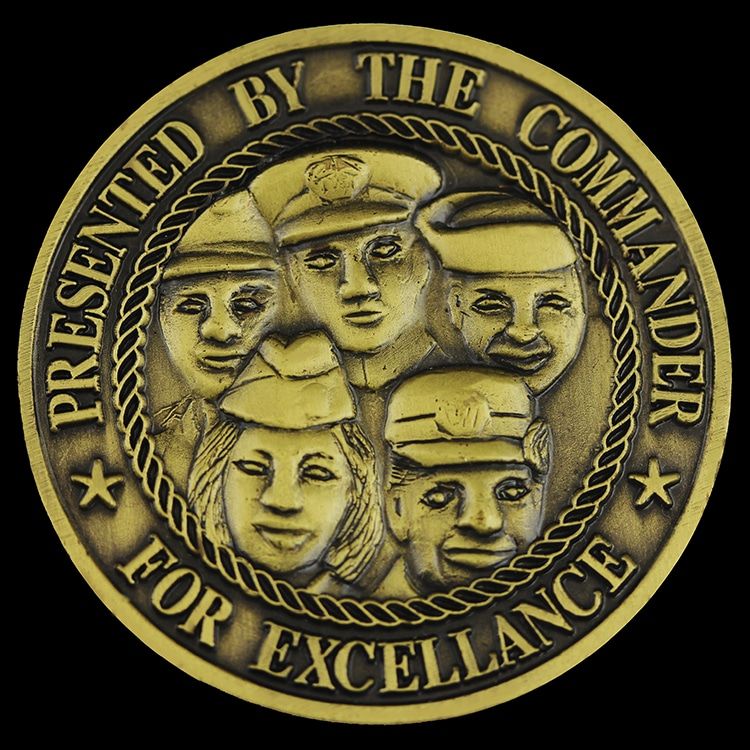
Veterans' groups often order a patch together with a challenge coin for a reunion, or a lapel pin for members who wear a blazer to formal events. Memorial events sometimes add medals for a remembrance run. Ordering them together lets you use the same artwork and colours across each item.
Ordering veteran patches for a group
- Settle the wording and check any official emblem or national organization logo.
- Decide forward and reversed flag versions if you need both.
- Choose sizes for vest fronts, backs and caps.
- Send AI, EPS or PDF artwork, or a photo of an old patch you want recreated.
- Give your in-hands date, such as Veterans Day, Memorial Day or the reunion date.
Custom runs start from 100 pieces, varying by product, which suits most posts and reunions, and the minimum is confirmed on your quote. Production takes about 3 to 4 weeks after you approve the proof in writing, so start about six weeks before a fixed date. See our military and veteran patch options, then request a quote.