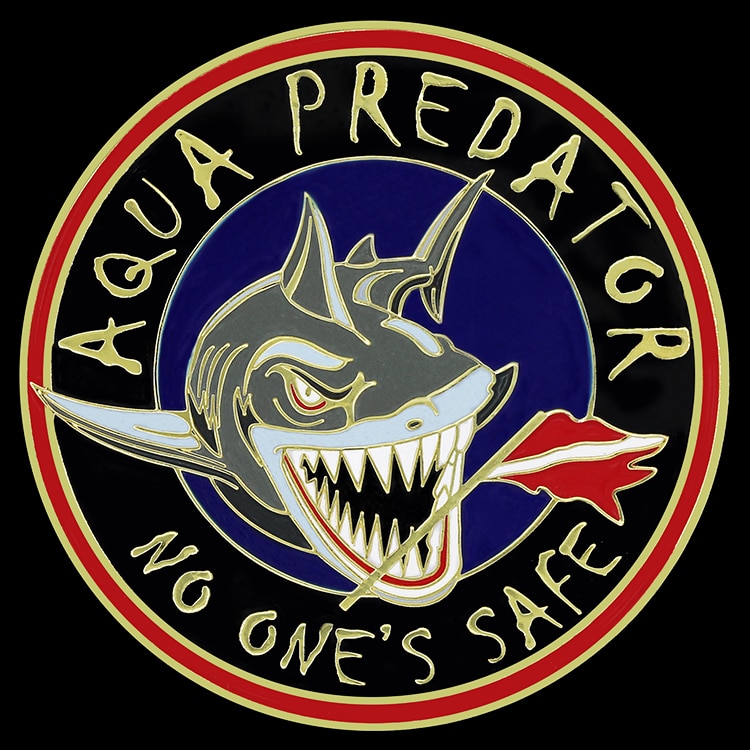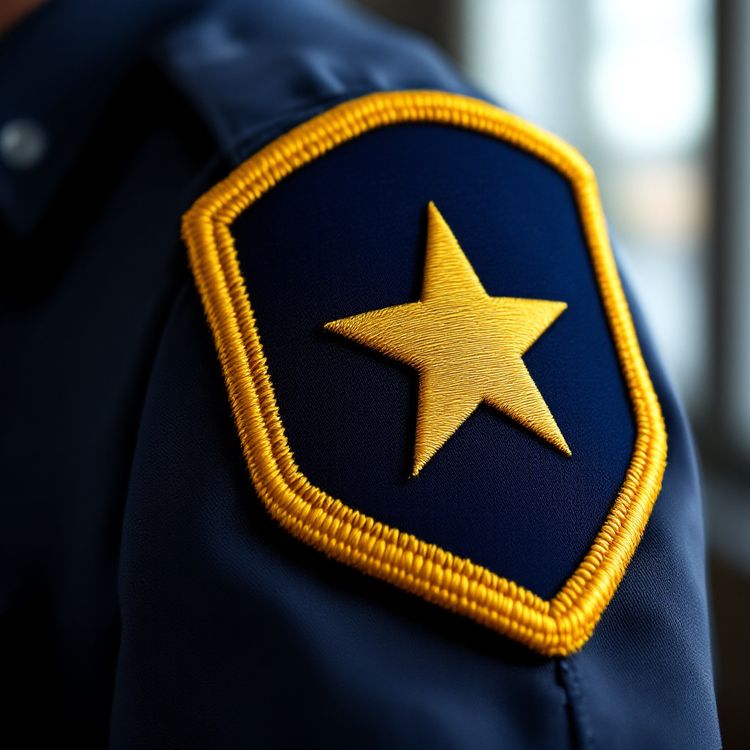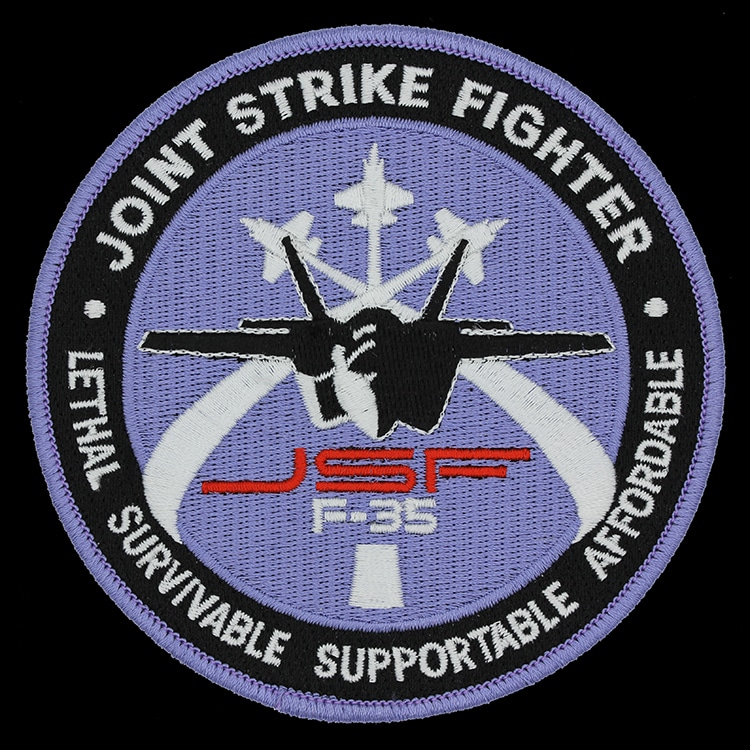
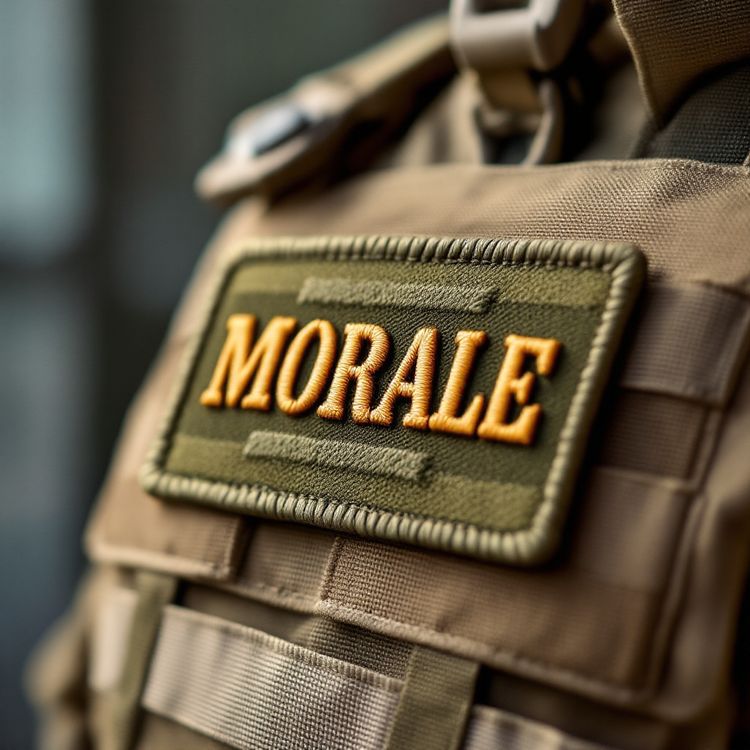
Custom military patches fall into four main groups: unit patches that identify who you serve with, morale patches that carry a unit's humour or identity, name tapes, and flag patches. On modern gear most of them use hook-and-loop backing, so they press onto loop panels and come off for washing or a change of kit. Size, a subdued or full colour palette and the right construction decide how they look in the field.
This guide is for unit leaders, morale officers and veterans' groups planning patches for a unit, a deployment or a reunion.
Unit, morale, name tape and flag patches
Each type does a different job, and that drives the size, colour and backing you choose.
| Type | What it shows | Typical approach |
|---|---|---|
| Unit patch | Unit insignia, crest or emblem | Embroidered or woven, sized for the shoulder |
| Morale patch | A motto, mascot, inside joke or callsign | Sized to a 2 x 3 or 3 x 5 in loop panel |
| Name tape | Surname, branch or unit text | Long rectangle, often woven or embroidered in block text |
| Flag patch | A national or state flag | Full colour or subdued, sized to the shoulder panel |
| Deployment or reunion patch | Unit, location and dates | Commemorative, often full colour |
A common convention for flag patches on the right shoulder is a reversed field, so the stars face forward as the wearer moves. Whether that applies to your patch is set by your unit's policy, so check before you order.
You can see examples and use cases on our military and veterans patches section.
Hook-and-loop backing on modern gear
Hook-and-loop is the standard on most modern uniforms, plate carriers, packs and caps. The patch carries the hook side, and the garment or gear carries a loop panel sewn in place. Patches can then be swapped between uniforms, removed before washing or changed for a different role.
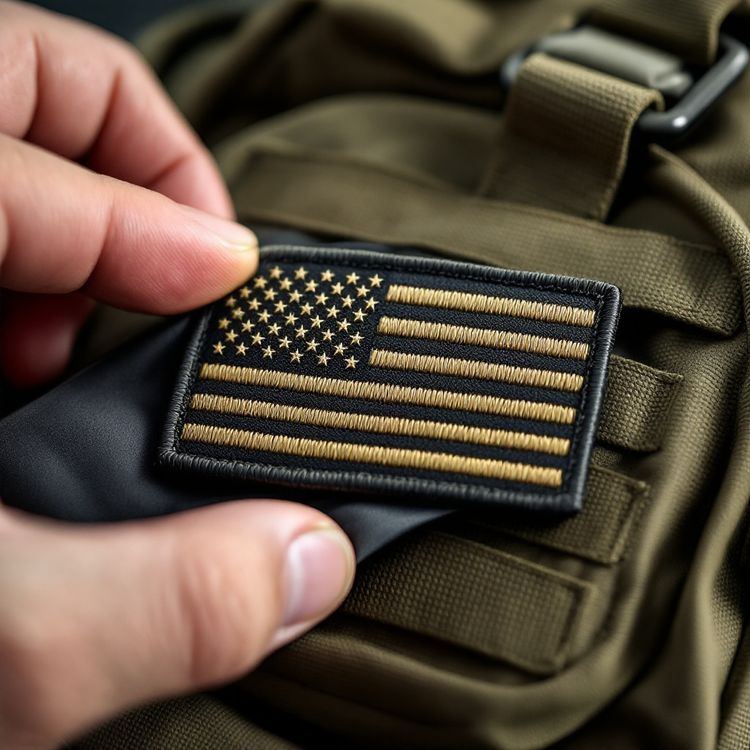
If a garment has no loop panel, the loop side needs to be sewn on first. For patches that should never come off, such as a dress or legacy uniform, sew-on is still the most permanent backing. Our patch backing types post compares every option, including when to combine them.
Sizes for panels, sleeves and name tapes
Measure the actual panel before you settle on a size. As starting points:
- Morale and ID panels: 2 x 3 in and 3 x 5 in are common hook-and-loop panel sizes.
- Shoulder and sleeve: 3 to 4.5 in is a typical range for unit and flag patches.
- Name tapes: a long, narrow rectangle, commonly 4 to 5 in wide, sized to the tape area on the uniform.
- Caps: 2 to 2.5 in tall on the front panel.
Make the patch slightly smaller than the loop panel so the edge sits inside it and does not peel at the corners. If you are not sure, measure the panel and send us the dimensions with the quote request.
Subdued and full colour palettes
Subdued patches use muted tones that sit quietly on field uniforms: coyote and tan, olive and ranger green, black and grey, and the earth tones that match common camouflage patterns. Full colour patches are more common for reunions, veterans' groups, vehicles and display.
- Pick two or three tones for a subdued patch and keep contrast between the text and the background so it still reads.
- If the patch must match specific gear, tell us the gear or pattern, and we match the thread as closely as possible on the proof.
- Some units order the same design twice, once subdued for the field and once in full colour for display or gifts.
Construction and borders
Embroidered, woven or PVC
Embroidered patches are the classic choice for unit insignia, with raised thread that stands up to rough use. Woven patches are flatter and thinner and hold small text and fine detail, which helps with detailed unit crests and long names. PVC, or rubber, patches are a general industry option for gear exposed to water and mud; if you want one, ask on the quote and we will tell you what is possible for your design.
Merrowed or heat cut
A merrowed border gives a raised, wrapped edge that suits squares, rectangles, rounds and shields, and it is the traditional look for unit patches. A heat cut edge follows a detailed outline, such as a skull, an animal or a unit silhouette. Inside corners and sharp points need heat cut.
Design tips that hold up in the field
Unit and morale patches are usually seen at a distance and in poor light, so bold shapes beat fine detail. Keep the design to one clear emblem and a short line of text. As general guidance for embroidery, lettering should be about 1/4 in tall or larger, and lines thinner than about 1 mm do not stitch cleanly. If a crest has small text, consider a woven patch or a larger size.
Callsigns, names and blood type tabs are often made as separate small patches rather than built into the main design, so one unit patch can serve everyone and the individual details change per person. Test the design in our studio at the real size before you send it.
Uniform policy, deployments and veterans' groups
Patches worn on uniform are governed by your branch and unit, so check your unit's uniform policy and get approval through the right channel before ordering anything for official wear. Morale patches are often limited to certain settings, and that varies by unit and command.
Deployment patches mark a tour with the unit, location and dates. Reunion and veterans' group patches bring old units back together and often go on vests, jackets and caps, where sew-on or iron-on may suit better than hook-and-loop. Memorial patches honour fallen members and are usually ordered in full colour.
Many units pair patches with coins. A custom challenge coin carrying the same insignia makes a matched set for a change of command or homecoming, and our challenge coin design guide covers how to plan one. Police and sheriff units ordering tactical patches can also read our police and sheriff patch design guide.
Ordering patches for a unit
Count everyone who will wear the patch, then add spares for new arrivals, replacements and gifts. Custom runs start from 100 pieces for most products, confirmed on the quote, and asking for pricing at 100, 200 and 500 shows how the per-piece cost changes. Digitizing stays on file, so a reorder for the next rotation skips the setup.
- Artwork: vector AI, EPS or PDF is cleanest; a PNG or a photo of an older patch works to start.
- Patch type: unit, morale, name tape or flag.
- Size, measured from the actual panel or sleeve.
- Subdued or full colour, with thread colours or the gear it must match.
- Construction: embroidered, woven, or ask about PVC.
- Backing: hook-and-loop, sew-on or another option.
- Border: merrowed or heat cut.
- Quantity at two or three levels, plus your in-hands date.
You can preview the patch first in our free Patch Studio, with hook-and-loop backing and a merrowed or heat cut edge, and send the mockup with your quote request. We send one quote within 2 to 3 business days, and nothing is made until you approve the proof in writing. Production typically runs about 3 to 4 weeks after approval, so work back from your deployment, ceremony or reunion date.