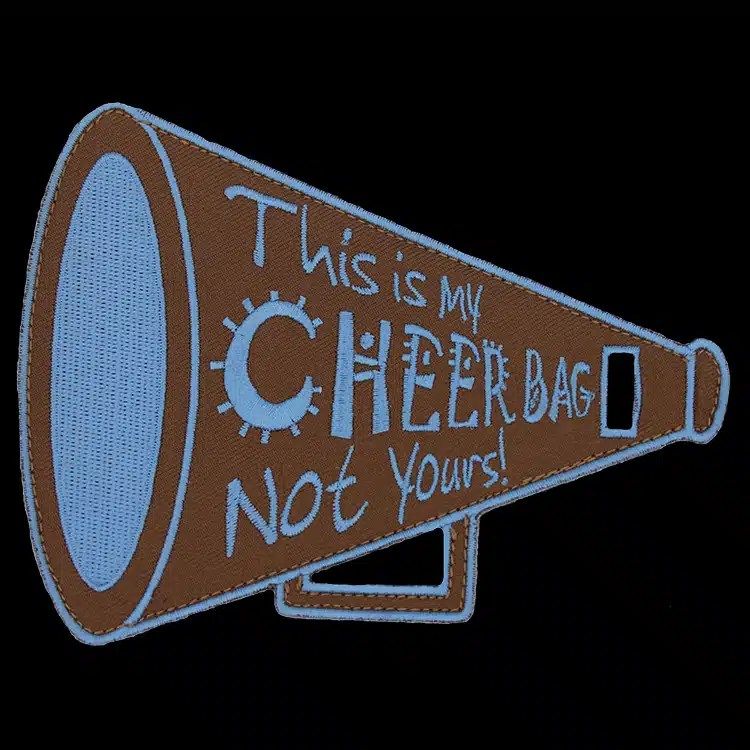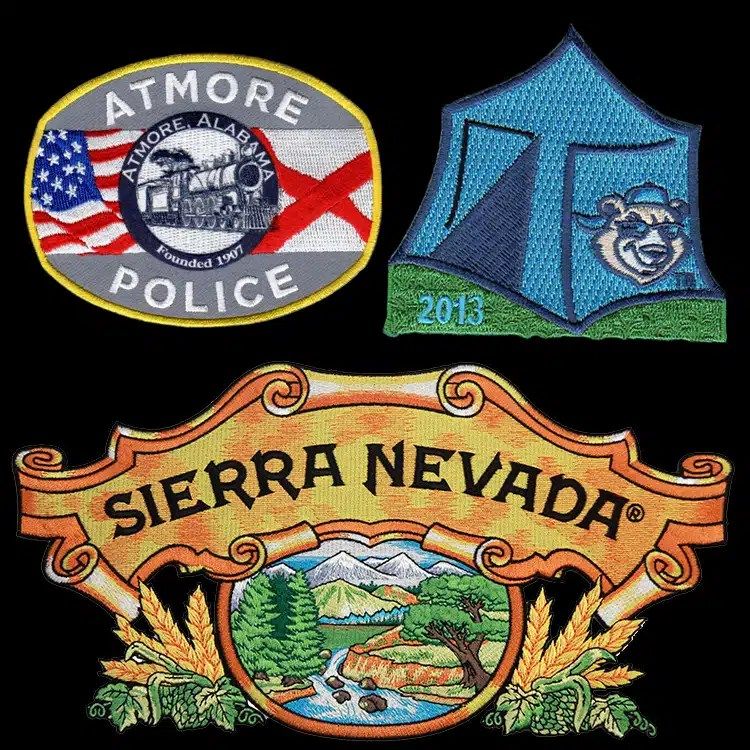
The most popular camp patches are a yearly camp patch with the camp name and the year, about 3 to 3.5 in (76 to 89 mm), plus smaller patches for cabins, activities and achievements. Embroidered with a merrowed border is the classic build, and it holds up on backpacks, blankets and jackets for years. Order iron-on so families can apply them at home, or sew-on for camp blankets and staff jackets, and place the order at least two months before opening day.
This guide covers the patch types camps use, design ideas that kids actually keep, sizes and backings, and a timeline that has patches in hand before the first bus arrives.
Types of camp patches
The yearly camp patch
This is the one campers collect. The camp name, a scene or mascot, and the year. Returning campers want a new one each summer, and a row of yearly patches on a blanket or a bag becomes a record of every summer spent there. Keep the base design recognizable and change the year and one detail, such as a new colourway or a small theme icon.
Session, cabin and unit patches
Camps with several sessions or units often add a small patch for each. Cabin patches with a cabin name or animal give each group an identity, and they are popular with counselors, who build a friendly rivalry around them.
Activity and achievement patches
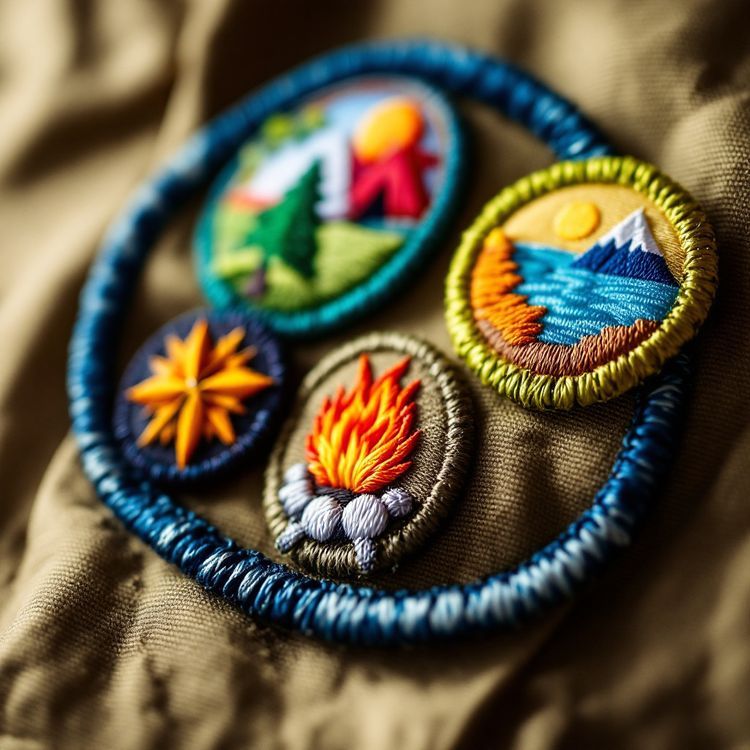
Swim levels, archery, canoeing, climbing, horseback riding, arts and crafts: a small round patch for each skill rewards progress and gives campers a reason to try something new. This works like merit badges, and many camps display them on a sash or a vest. Our scout and club patch guide covers planning a set of achievement patches.
Staff patches
Counselors and staff often get a patch that campers cannot earn, such as a STAFF version of the camp patch or a patch for years of service. It helps families identify staff at drop-off and gives returning counselors something to look forward to.
Designs campers keep
Kids keep patches that feel like the place. The best camp designs show something specific to your camp: the lake, the dock, the lodge, the hill behind the dining hall, the camp mascot.
- Pick one strong scene or mascot rather than several small ones.
- Use the camp's real landmarks so the patch means something to those who were there.
- Keep the camp name bold and readable. As a rule of thumb, embroidered letters need about 1/4 in (6 mm) cap height.
- Put the year somewhere obvious, often on a banner across the bottom.
- Choose a shape that suits the art: a circle for a lake scene, a shield for a crest, a die cut outline for a mascot.
For simple scenes, an embroidered patch gives the classic camp look. If the art depends on a sunset gradient or a photo of the lake, a sublimated patch prints it in full colour. Our patch design guide covers shape and detail in more depth.
Sizes for each patch type
| Patch | Typical size | Shape | Where it goes |
|---|---|---|---|
| Yearly camp patch | About 3 to 3.5 in | Round, shield or die cut | Backpack, blanket, jacket |
| Cabin or unit patch | About 2.5 to 3 in | Round or shield | Shirt sleeve, bag |
| Activity or achievement | About 2 to 2.5 in | Round | Sash, vest, blanket |
| Staff patch | About 3 to 3.5 in | Matches camp patch | Staff shirt or jacket |
| Year tab or rocker | About 1 x 3 in | Rectangle or arc | Below the camp patch |
Keep all your activity patches the same size and shape so they look like a set when displayed together. See our patch size guide for measuring.
Backings for kids, families and blankets
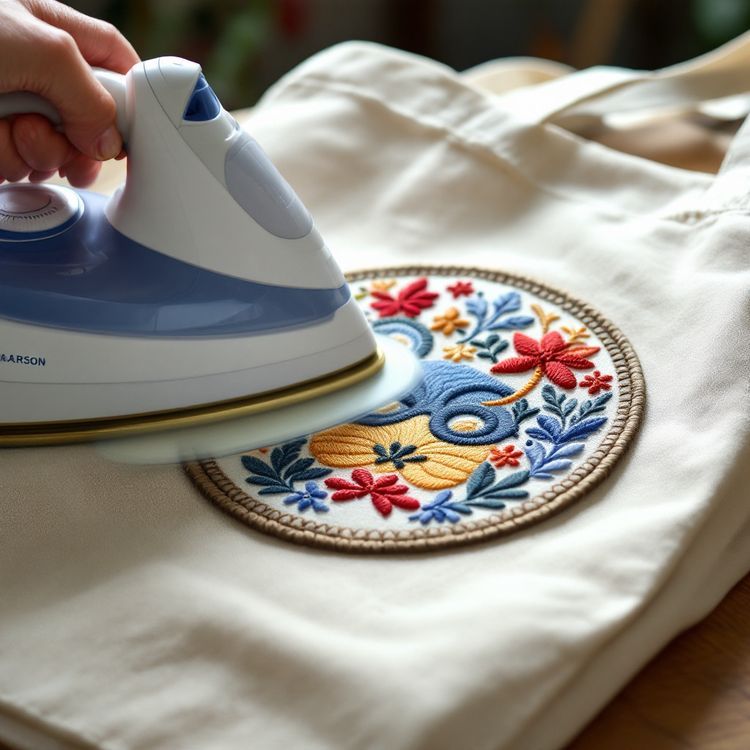
Many camps sell or hand out patches in the camp store, so families apply them at home. Iron-on (heat seal) backing is the easiest for parents: press onto a cotton or canvas backpack, tee or tote with a household iron. Add a small card with pressing instructions, and suggest a few stitches around the edge for items that go through the wash often.
Camp blankets, a long tradition at many camps, are usually wool or fleece. Iron-on does not bond well to those fabrics, and high heat can damage them, so sew-on is better there. Nylon backpacks also need sewing, since adhesive does not hold to slick synthetics. Our guide to patch backings covers the options.
Selling patches in the camp store
If patches are sold at the camp store, stock more than one design: the yearly patch, a few activity patches and a classic camp logo patch that never changes. Parents often buy the yearly patch for siblings or alumni too. Put the patch in a small bag with the iron-on instructions printed on a card, and keep a few sew-on versions for blankets. Track what sells each summer so next year's order matches demand. Popular activity patches can then be reordered on their own, without setup, while slower designs wait a season. Keep leftover stock dry and flat in a labeled box over the winter so the adhesive stays clean.
Other camp items
Camps that order patches often add a few other items to the same request: embroidered luggage tags so trunks and duffels are easy to sort on arrival, lanyards for staff ID, and medals for colour war or an end-of-session awards night. Each is quoted on its own, using the same artwork.
Order timeline before opening day
Work back from the day you need patches in hand, which for many camps is staff training week rather than opening day.
- About 8 to 10 weeks out: finalize the design and send artwork (AI, EPS or PDF cleanest, PNG accepted).
- Quote typically returns in 2 to 3 business days.
- Proof usually 1 to 3 business days after artwork. Approve it in writing.
- Production about 3 to 4 weeks after approval, then UPS shipping from Holly Hill, Florida.
Rush is around 10 business days when the factory can hold it, but camp season is busy, so leave room. Custom minimums start from 100 pieces and vary by product. Most camps clear that easily with one patch for every camper plus extras for the camp store. Reorders skip setup, so next summer only needs a new year line.
Ready to plan this summer's patch? Send your artwork for a quote.