Twill is the standard base fabric for embroidered patches: a tight, smooth woven fabric that holds dense stitching and crisp edges. Felt is a soft, matte, non-woven fabric used mainly for chenille, varsity and vintage style patches. If most of your patch is covered in thread, the base barely shows and twill is the usual choice. If you want the background fabric to show as part of the design, with a warm, textured look, felt is worth considering.
This guide explains how each fabric is made, how they look and wear, when the base fabric actually matters, and which one suits common patch types.
What twill and felt are
Twill
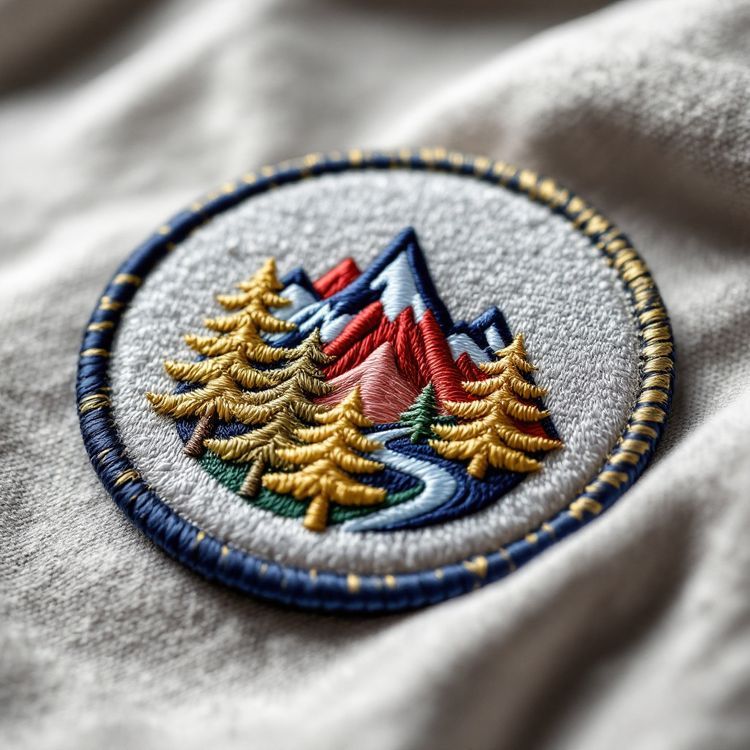
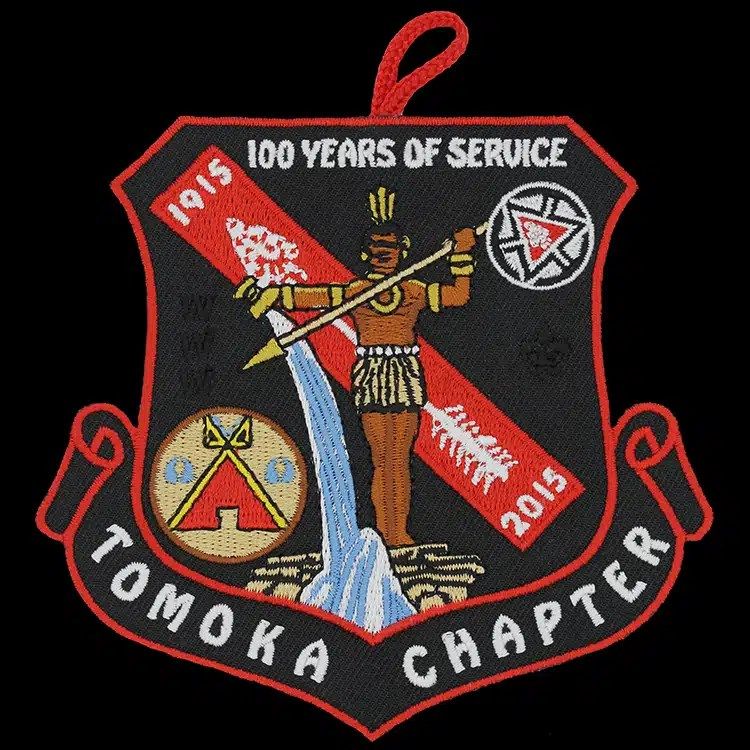
Twill is a woven fabric with a fine diagonal rib, the same weave family as denim and chino. For patches it is usually polyester or a poly-cotton blend. It is tight, stable and smooth, so needles pierce it cleanly and stitches sit evenly on top. Twill comes in a wide range of solid colours, and it takes a merrowed border or a heat cut edge well.
Felt
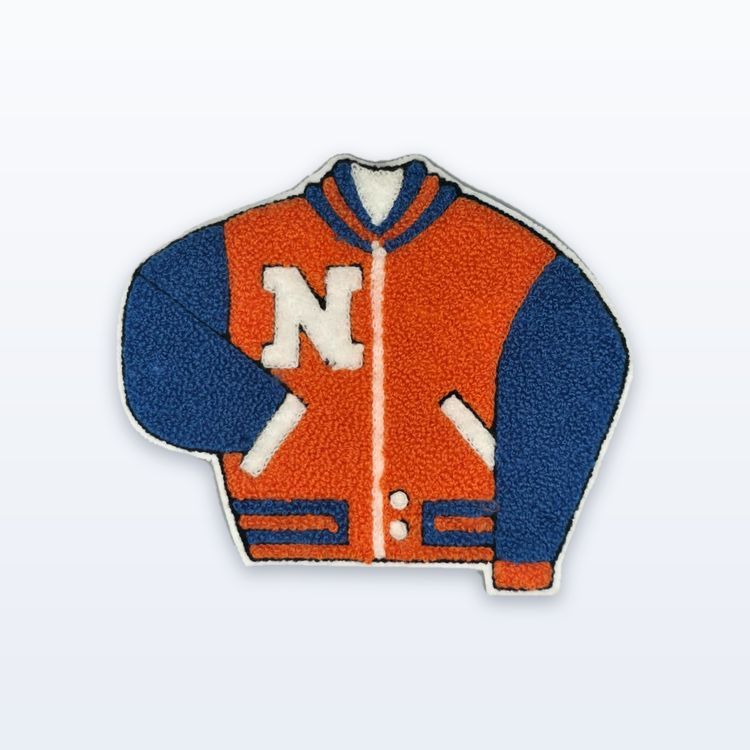
Felt is made by pressing fibers together rather than weaving them. It has no grain, a soft matte surface and a slightly fuzzy texture. Patch felt is thicker than twill and has more body. It is the traditional base for chenille letters, where tufted yarn is stitched onto felt and the felt shows around the edges as a border.

How they look and feel
The visual difference is clearest where the base fabric shows through the stitching.
| Factor | Twill | Felt |
|---|---|---|
| Construction | Woven, fine diagonal rib | Pressed fibers, non-woven |
| Surface | Smooth, slight sheen | Soft, matte, fuzzy |
| Thickness | Thinner, flexible | Thicker, more body |
| Edge detail | Holds crisp edges and fine stitching | Softer edges, less fine detail |
| Look | Clean, modern, uniform | Warm, vintage, varsity |
| Common uses | Uniform, corporate and club patches | Chenille, varsity letters, retro designs |
Twill reads as clean and professional. When part of the background is left unstitched, the smooth fabric looks like a deliberate solid colour. Felt reads as soft and nostalgic. Its texture adds warmth, which is why it suits letterman jackets, retro camp patches and vintage reproduction designs.
When the base fabric actually matters
How much of the base you see depends on the embroidery coverage, the share of the patch surface covered in stitching.
- 100% coverage: the whole surface is stitched, so the base is hidden. Twill is the normal choice because it gives a stable foundation for dense stitching.
- 75% coverage: some background shows. The base fabric colour and texture become part of the look.
- 50% coverage or less: a large part of the patch is bare fabric. The choice of twill or felt changes the character of the patch noticeably.
So the real question is not just which fabric, but how much of it you want to see. A patch with a lot of open background is where felt can shine, and also where twill's smooth, even surface looks sharpest.
Durability, washing and wear
Twill is the more hard wearing of the two. The tight weave resists abrasion, holds its shape through repeated washing, and keeps stitches anchored. That makes it the default for uniforms that go through industrial laundry, workwear and gear patches.
Felt is durable enough for jackets and display pieces, but its surface can pill or fuzz over time with friction and washing. Chenille patches on felt are usually worn on letterman jackets and outerwear that are not washed often. If a felt patch is going on a garment that will be washed regularly, follow gentle care and wash it inside out.
Both fabrics work with sew-on, iron-on (heat seal) and hook-and-loop backings. Sewing is the most secure attachment for either. Our guide to patch backing types covers how each backing holds.
Which patch types use which base
Each of the six constructions has its own relationship with base fabric.
- Embroidered: usually twill. Felt is available for a softer, vintage look, especially at lower coverage.
- Chenille: felt. The tufted yarn sits on felt, often with an embroidered outline and a felt border. See our guide to chenille patches for letterman jackets.
- Satin tackle twill: layers of twill fabric cut to shape and stitched down, the standard for team letters and numbers.
- Woven: no separate base. The design is woven into one piece of fabric.
- Sublimated: printed onto a smooth fabric surface suited to dye printing.
- Hand embroidered bullion: traditionally worked on a backing such as velvet or a fine woven fabric.
You can see each one on the custom patches page.
Edges, borders and the garment underneath
The base fabric also affects how the edge of the patch is finished. Twill takes both edge types cleanly. A merrowed border wraps neatly around its firm edge, and a heat cut edge seals the polyester fibers into a crisp line that follows custom shapes. That is part of why twill is the default for die cut patches.
Felt is often finished differently. On chenille and varsity patches, the felt is commonly cut a little larger than the design so a band of felt shows around the outside, sometimes in a second colour for a layered look. That visible felt edge is a big part of the classic letterman style.
Think about the garment too. A thick felt patch on a light T-shirt can feel heavy and pull the fabric. A thin twill patch on a heavy wool jacket can look slight. Matching the weight of the patch to the weight of the garment gives a more finished result. Our jacket patch placement guide has more on pairing patches with outerwear.
How to choose for your patch
- Choose twill for uniforms, workwear, corporate logos and anything washed often.
- Choose twill when the design has fine detail or crisp edges in the background.
- Choose felt for chenille letters, mascots and varsity style patches.
- Consider felt for vintage, camp or retro designs with open background.
- At 100% coverage, the base rarely matters to the look, so twill is the practical default.
- Not sure? Describe the look you want, and we will suggest the base on the quote.
Base fabric is also a factor in how a patch feels on the garment. Twill patches sit flatter and flex more on shirts and caps. Felt patches feel thicker and more substantial, which suits heavy jackets and blankets better than lightweight shirts.
Ask for a quote with the base you want
On your quote request, say which base you prefer and how much coverage you have in mind, or simply describe the look and let us suggest one. Include the size, quantity, colours, border and backing. Quotes come back in 2 to 3 business days. The proof shows the base fabric colour and coverage, and nothing is made until you approve it in writing.