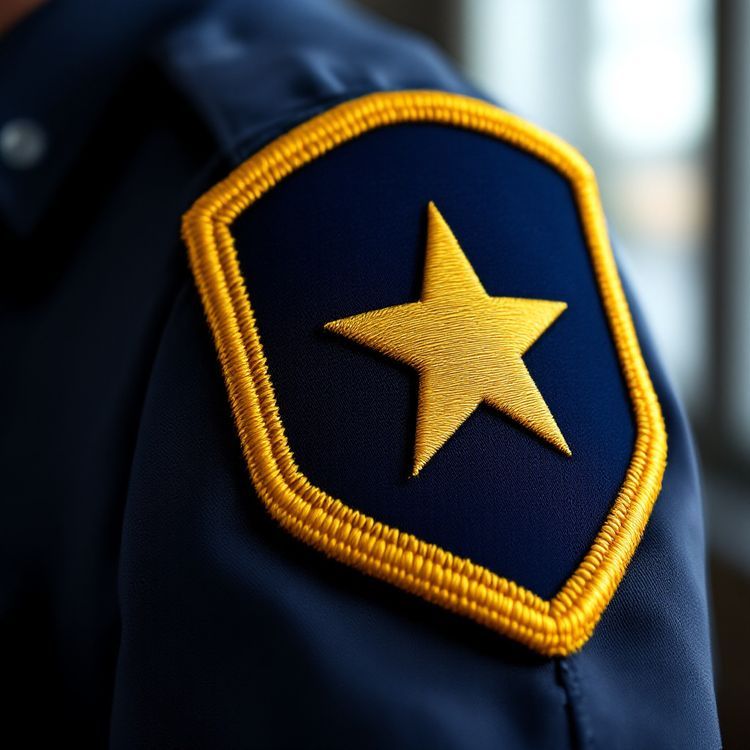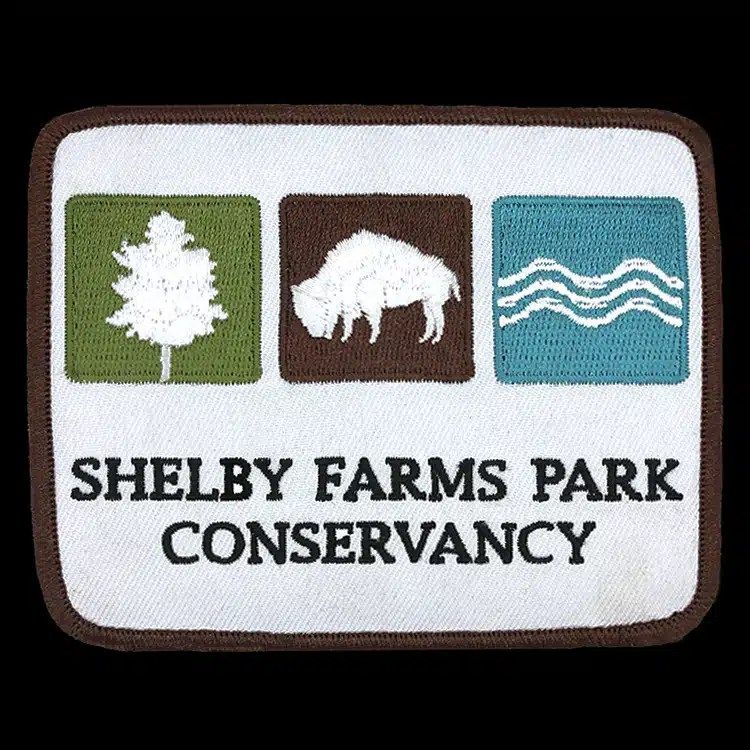
Park ranger patches are shoulder patches for a parks department, preserve or conservation agency, usually 3.5 to 4.5 in (89 to 114 mm) tall, embroidered or woven in earth-tone colours that sit well on khaki, green or gray uniforms. They are ordered by the agency itself, from artwork the agency has approved, with a sew-on backing for uniform shirts and hook-and-loop for field jackets and vests. Volunteer, junior ranger and trail patches usually follow as a second, lighter set.
Below we cover who orders ranger and conservation patches, the authorization question, design choices that read outdoors, constructions and backings, and how to plan the volunteer and visitor side of the program.
Who orders ranger and conservation patches
Ranger patches cover a wide range of organizations, and the right design depends on which one you are.
- State, county and city parks departments outfitting rangers, maintenance crews and seasonal staff.
- Fish and wildlife agencies outfitting conservation officers or game wardens, who in many states are sworn law enforcement officers.
- Conservancies, land trusts and friends groups that support a public park.
- Nature centers, private preserves and camps with their own naturalist or ranger staff.
- Volunteer corps, trail crews and junior ranger programs.
A conservation agency with sworn officers is closer to a law enforcement agency in what its patch needs to do, and our police and sheriff patch design guide applies to it. A conservancy or nature center has more freedom, and its patch often doubles as merchandise.
Official emblems and authorization
An agency shoulder patch is an official insignia. We make agency patches for the agency, or for a vendor or association acting with its written authorization, and we work from the artwork the agency has approved. We do not copy another agency's patch.
Federal emblems need particular care. The National Park Service arrowhead, for example, is an official NPS emblem, and its use is restricted by the agency; if a project involves it, the NPS is the authority to ask. State agencies usually control their seals and patches through their own policies, so a friends group that wants a patch featuring a state park's emblem should get written approval from the agency first. Wearing a law enforcement insignia you are not entitled to can be a crime, which is one more reason these patches stay with the agency.
Designing a patch that reads outdoors
Ranger patches tend to share a look: a shield, arrowhead-like point or rounded rectangle; a landscape, animal or plant at the center; and the agency name in an arc or banner. That look works because it is easy to recognize at a distance. Within it, a few choices make the difference.
Colours
Greens, browns, tans and gold are traditional, but they can blend together. Make sure there is enough contrast between the lettering and its background, and between the patch border and the uniform fabric. A tan patch on a khaki shirt with a tan border can disappear; a dark brown or green border fixes it. Our patch colour guide explains how to test contrast before you quote.
Detail
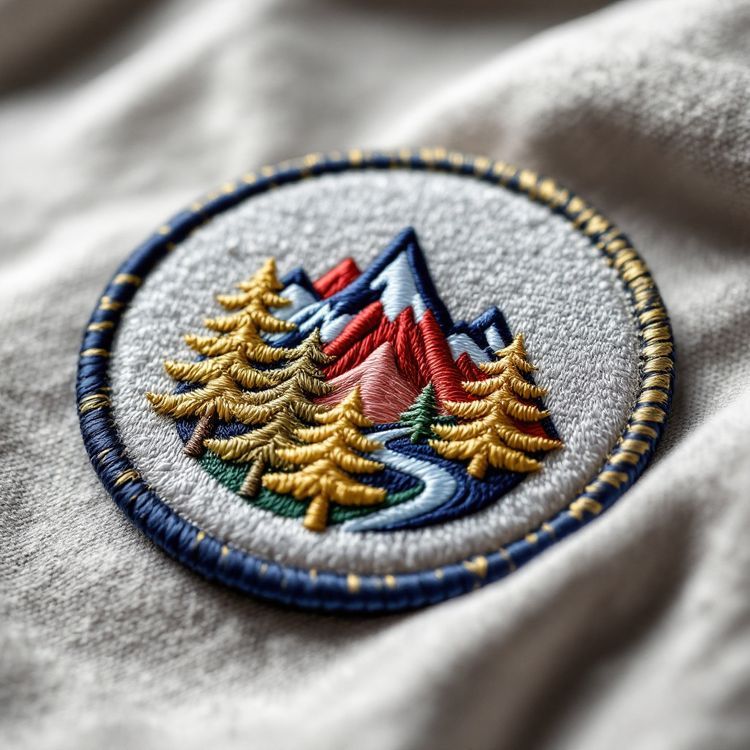
Landscapes invite detail: ridgelines, trees, water, birds in flight. In embroidery, keep the scene to a few bold layers and let the lettering stay large; as a rule of thumb, letters under about 1/4 in (6 mm) tall stop reading cleanly. If you want fine line work or a long agency name in small type, woven construction holds much more detail at the same size.
Shape and layout
A shoulder patch that copies the outline of another agency invites confusion, so choose a shape that is clearly yours: a shield with a flat top, a pointed badge shape, a state outline, or a rounded rectangle with a banner. Keep the agency name in the largest type and put it in the same place on every related patch, so a ranger patch, an officer patch and a volunteer patch look like one family. If the patch will be worn on both sleeves, confirm that the design reads correctly on each side, especially if it includes a flag or a directional element such as an animal facing forward.
Construction, backing and wear
Ranger uniforms see sun, rain, brush and frequent washing. Choose the construction and backing for the garment it will go on.
| Garment | Suggested patch | Backing |
|---|---|---|
| Uniform shirt shoulder | Embroidered or woven, merrowed edge | Sew-on |
| Field jacket or duty vest | Embroidered, full coverage | Hook-and-loop |
| Campaign hat or cap | Small embroidered or woven | Sew-on |
| Seasonal staff tee or polo | Embroidered or woven | Iron-on or sew-on |
| Volunteer vest or pack | Embroidered | Sew-on or hook-and-loop |
Full coverage embroidered patches are the most durable for field wear, since thread covers the whole surface. Polyester embroidery thread generally holds its colour in strong sun better than rayon, which matters for staff who work outside all season. Hook-and-loop backing also lets officers move one patch between a jacket, a vest and a carrier, and pairs well with name tapes on the same gear.
Volunteer, junior ranger and visitor patches
Beyond the uniform, patches are one of the best tools a park has for building loyalty. Volunteers earn patches for hours served, trail crews for miles maintained, and junior rangers for completing an activity book. Visitor centers and gift shops sell trail and peak patches, and a set of collectible patches for each trail or site gives families a reason to come back.
Keep these distinct from the official uniform patch, so no one mistakes a volunteer for a ranger. A round shape, a different border colour or the word Volunteer on the patch is enough. Our guides to hiking and trail patches and volunteer patches cover these programs in more depth.
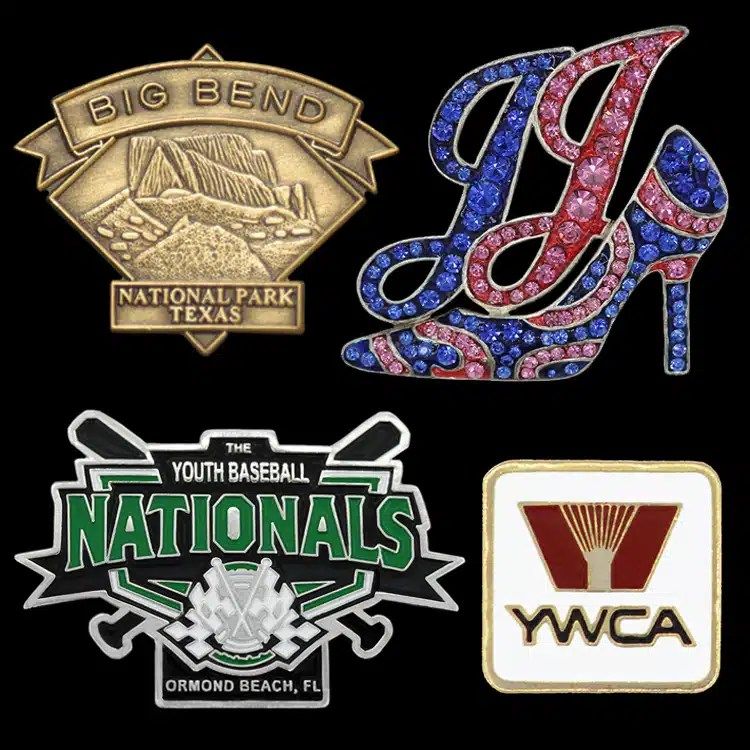
Lapel pins and hat pins suit the same audience: a small pin for a volunteer milestone, or a collectible pin sold alongside patches. Hiking stick medallions are another traditional park souvenir; they are quote-only, so ask when you request pricing.
Ordering for an agency or park group
Agencies often need a written quote before a purchase order, and we return one in 2 to 3 business days, with the factory price for your sizes and quantities. Send the approved artwork (AI, EPS or PDF are cleanest; a photo of your current patch is enough to start), sizes, quantity, backing and your in-hands date. The proof usually follows 1 to 3 business days after artwork, and production takes about 3 to 4 weeks after you approve it in writing. The minimum starts from 100 pieces and is confirmed on the quote.
Once your patch is made, the digitizing stays on file, so seasonal reorders skip the setup and match the earlier run. When you are ready, request a quote for your ranger, officer or volunteer patches.