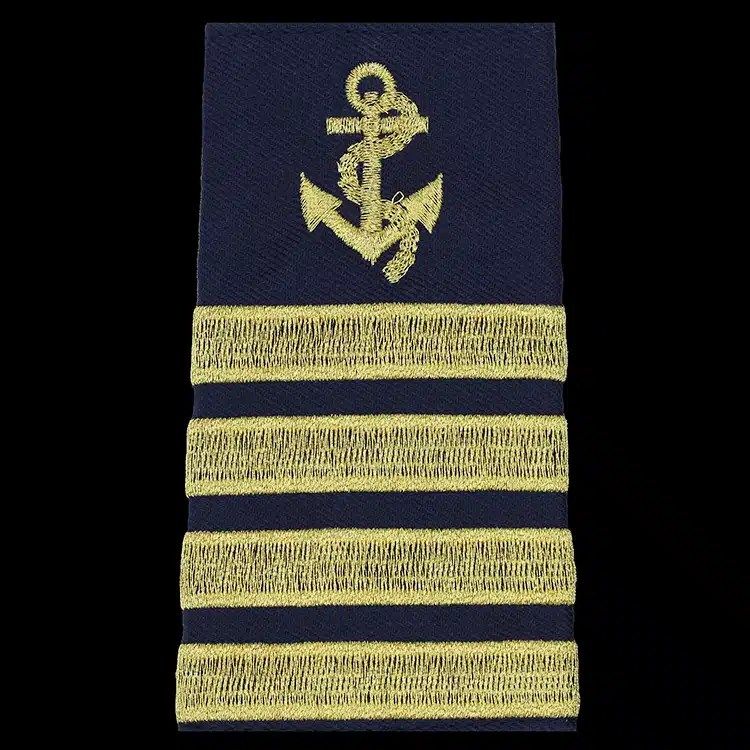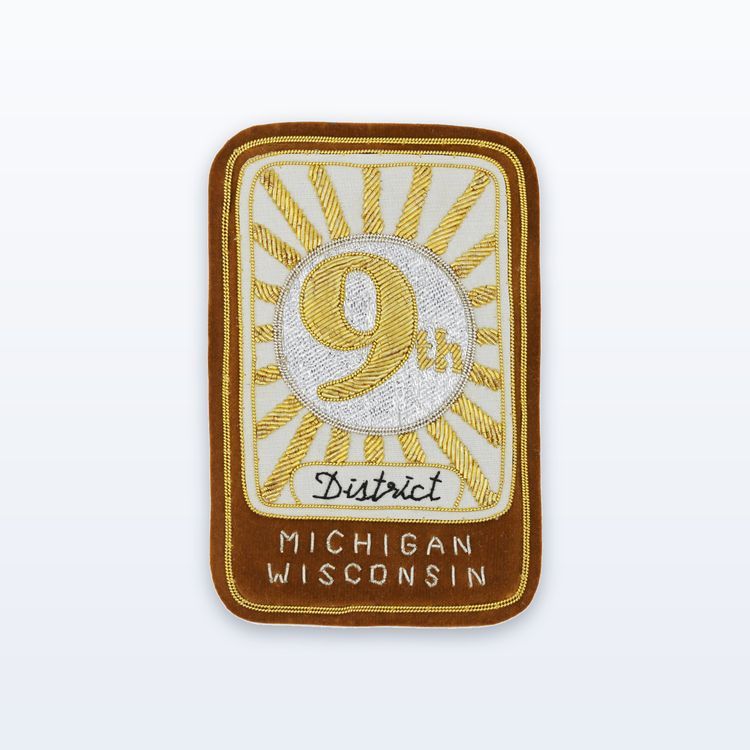
Honor guard patches usually take one of two forms: an HONOR GUARD tab worn just above the agency shoulder patch, or a dedicated honor guard shoulder patch, often stitched in metallic gold or silver thread, or worked by hand in bullion wire for dress uniforms. Around them sit the other pieces of a ceremonial uniform: epaulet covers, collar and lapel pins, tie bars, cuff links and a unit challenge coin. Whatever you choose, the design must follow your agency's uniform policy, and military honor guard insignia are set by each branch's regulations.
This guide covers who authorizes honor guard insignia, the patches and accessories that make up a set, how to choose between thread and bullion, and how to plan an order around ceremonies that often come with little notice.
Who orders honor guard insignia, and who approves it
Police and sheriff's departments, fire departments, EMS services, corrections agencies, state patrols and some transit and campus police maintain honor guards. Veterans posts and JROTC programs run flag details and ceremonial teams with similar needs. In every case, the honor guard is an official representation of the organization, so its insignia should be approved by whoever controls the uniform: a chief, a uniform committee or the agency's policy.
Military honor guard units are different. Their identification badges, tabs and insignia are authorized by each branch's uniform regulations, and they are issued through official channels. Do not copy them for a civilian unit; if you are designing for a military unit, the branch's uniform regulations and the unit's chain of command are the authorities to consult. Veterans organizations such as national posts control their own emblems, so a post ceremonial team should check with its national organization before putting the emblem on a patch. JROTC ceremonial teams follow their service's cadet guidance; our guide to JROTC and ROTC patches covers cadet designs.
The pieces of an honor guard set
Most honor guards build up a set over time. The table shows the common pieces and how each is usually made.
| Piece | Where it goes | Usual construction |
|---|---|---|
| HONOR GUARD tab | Above the shoulder patch | Embroidered, metallic thread, merrowed |
| Honor guard shoulder patch | Upper sleeve, replacing or beside the agency patch | Embroidered or bullion |
| Dress crest | Blazer pocket or ceremonial jacket | Hand embroidered bullion |
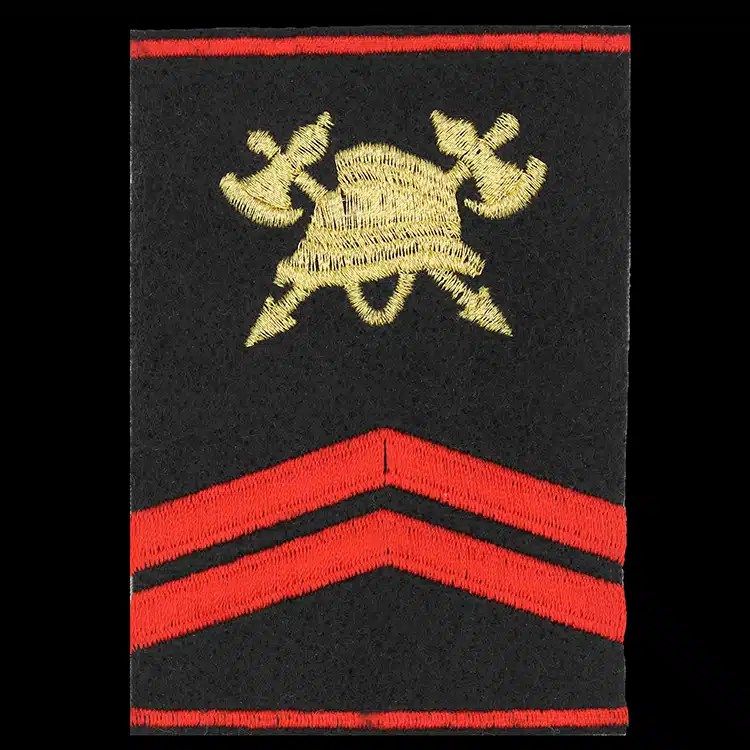
| Epaulet covers | Shoulder straps | Embroidered, often metallic |
| Collar or lapel pins | Collar points or lapel | Die struck metal or enamel |
| Tie bar and cuff links | Class A or dress shirt | Plated metal, enamel fill |
| Unit challenge coin | Carried or presented | Die struck or die cast metal |
The tab
An HONOR GUARD tab is the simplest addition: a curved or straight strip of lettering worn above the existing shoulder patch. Match its width to the shoulder patch, often about 3.5 to 4 in (89 to 102 mm), and keep it short, about 3/4 to 1 in (19 to 25 mm) tall. Gold or silver lettering on the agency's uniform colour is traditional, with a merrowed border that matches the shoulder patch border.
The shoulder patch
Some units wear a dedicated honor guard patch instead of the standard agency patch. It usually keeps the agency's shape and layout so it is recognizable, and changes the colours to metallic thread or adds a wreath, flag or the words Honor Guard. Because it is still agency insignia, it goes through the same approval as the standard patch.
Metallic thread or hand embroidered bullion
Ceremonial insignia needs to look formal under bright light and in photographs. There are two main ways to get the gold or silver look.
Metallic thread is machine embroidered like any other patch, using a thread with a metallic finish. It is durable, consistent from piece to piece and suits tabs, shoulder patches and epaulet covers that are worn often. Our guide to metallic thread patches explains how it stitches and where it needs extra care.
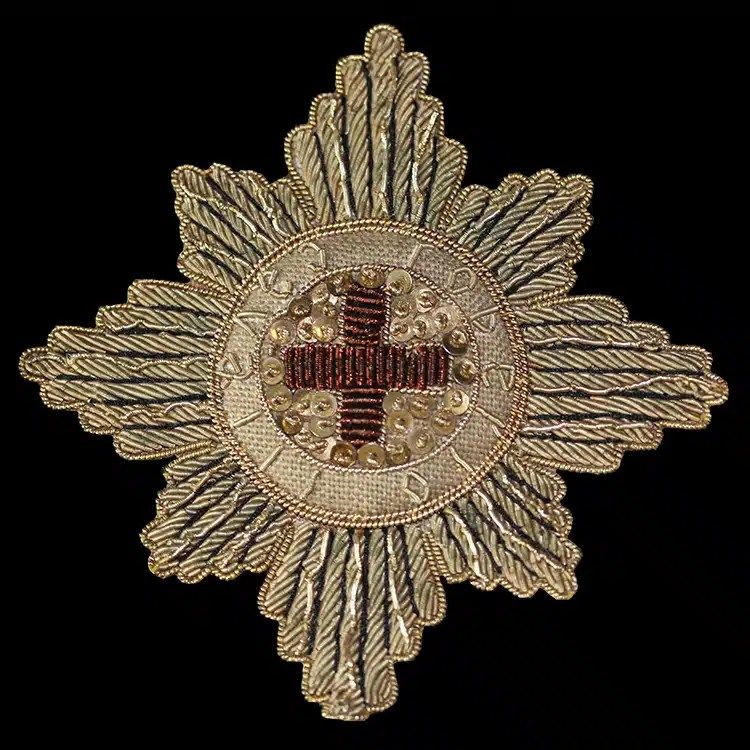
Hand embroidered bullion is made by hand from coiled metallic wire on a velvet or felt base. It has real depth and a raised, sculpted look that machine embroidery cannot match, which is why it appears on blazer crests, ceremonial jackets and formal headwear badges. Bullion is better kept for dress uniforms worn at ceremonies than for daily wear, and it should not be machine washed.
Epaulet covers, pins, tie bars and coins
The accessories are what make an honor guard look uniform from one member to the next.
- Epaulet covers slide over shoulder straps and carry rank, a department emblem or an honor guard device. Ours carry no setup or digitizing fees; see our epaulet covers guide for sizes.
- Collar and lapel pins carry a small honor guard device or the agency's initials. Die struck metal in gold or silver plating looks formal at a small size.
- Tie bars and cuff links finish a Class A or dress uniform and are easy to issue to every member. Our post on custom cuff links and tie bars covers finishes.
- A unit challenge coin marks membership and is often presented to families after a service or to members who complete training. See our challenge coins page for shapes, plating and edges.
Keeping every member matched
An honor guard is judged on precision, and mismatched insignia stand out in a line of four or six members. A few habits keep everything consistent.
- Order the full set for every member at once, including spares for new members and replacements.
- Keep one approved file and one set of thread and plating references, and use them for every reorder.
- Agree placement measurements, such as the distance from the shoulder seam to the tab, and write them into your uniform standard.
- Store bullion pieces flat and dry, and brush them gently rather than washing.
Once a piece is made, the digitizing or tooling stays on file and reorders skip the setup, so a new member's tab matches one ordered years earlier.
Ordering around ceremonies
Honor guards are often called with little notice, so order insignia well before you need it and keep a small stock. We return a quote in 2 to 3 business days, a proof about 1 to 3 business days after artwork, and production takes about 3 to 4 weeks after you approve the proof in writing. A rush of around 10 business days is sometimes possible when the factory can hold it. The custom minimum starts from 100 pieces and varies by product, so it is confirmed on your quote; small units often meet it by ordering a few years of stock in one run. Send your approved artwork (AI, EPS or PDF are cleanest; a photo of an existing patch is enough to start), sizes and quantities, then request a quote.