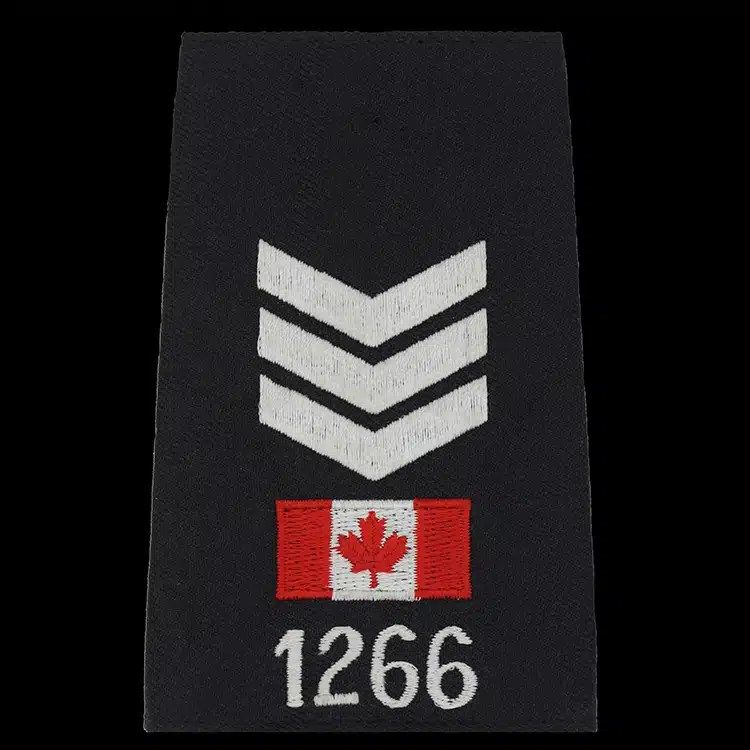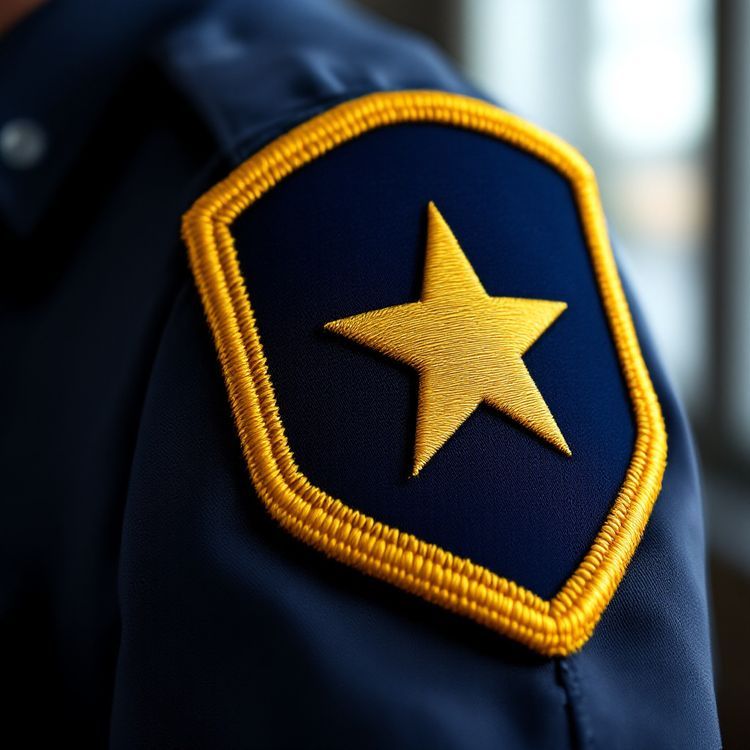
Medical patches for healthcare uniforms are usually small embroidered or woven patches, about 3 to 3.5 in (76 to 89 mm), with a sew-on backing, placed on the left chest or upper sleeve of lab coats, scrub jackets, fleece and vests. Sew-on matters because healthcare garments go through hot, frequent and often industrial laundering. Woven construction suits the detailed seals many hospitals and schools use, and embroidery suits bold clinic logos.
This guide covers where patches work in a healthcare setting, the garments that take them, laundering and infection control questions, which medical symbols you can use, role and department patches, and the pins and lanyards that complete a uniform program.
Where patches fit in healthcare
Hospitals, outpatient clinics, urgent care centers, home health and hospice agencies, dental and veterinary practices, medical transport companies, nursing and medical schools, and hospital volunteer auxiliaries all use patches. Typical reasons include branding outerwear that staff wear between buildings or on home visits, identifying a department or program, marking students and volunteers so patients know who they are speaking with, and recognizing service. Ambulance services and fire-based EMS have their own conventions, covered in our guide to custom EMS patches.
Home health and hospice staff are a good example of why a patch matters. They arrive at a patient's front door in their own car, and a clear agency emblem on a jacket or fleece helps the patient and family recognize them before they open the door. Outpatient clinics that share a building with other practices use patches the same way, so patients can tell one practice's staff from another's in a shared lobby. In both cases, a bold, simple design at chest size does more than a detailed one.
Which garments take a patch
Not every healthcare garment suits a patch. Lightweight scrub tops are thin and laundered hard, and a patch can make the fabric pucker or pull. Heavier garments hold patches well.
| Garment | Placement | Suggested patch and backing |
|---|---|---|
| Lab coat | Left chest or left sleeve | Woven or embroidered, sew-on |
| Scrub jacket or warm-up | Left chest | Embroidered or woven, sew-on |
| Fleece, soft shell or vest | Left chest or upper sleeve | Embroidered, sew-on |
| Scrub top | Left chest, if at all | Thin woven, sew-on, or direct embroidery |
| Cap or bag | Front or flap | Embroidered, sew-on |
For scrub tops, many facilities embroider directly onto the garment instead, which avoids an extra layer. A patch is the better choice when garments are purchased by staff from different suppliers, or when the same emblem goes on several kinds of garment. Our comparison of patches vs direct embroidery walks through the trade-offs.
Laundering and infection control
Each facility sets its own policy for laundering uniforms, and your infection prevention team is the place to start. Whatever the policy, a patch on a healthcare garment should survive hot water and repeated washing without lifting or fading.
- Choose sew-on backing. Heat seal glue can weaken in hot, repeated washes.
- Ask for polyester thread, which generally holds up better to bleach and high temperatures than rayon.
- Prefer a merrowed or tightly heat cut edge, so no loose threads fray in the wash.
- Check with your infection prevention team before using hook-and-loop on clinical garments. The hook side collects lint and hair, and some facilities avoid it.
- If a uniform service launders and repairs your garments, ask how it prefers emblems to be supplied and attached.
Medical symbols: what you can and cannot use
Healthcare patches often carry a symbol as well as a name. A few common ones come with rules or confusion worth knowing about.
Rod of Asclepius and caduceus
The rod of Asclepius, a single snake around a staff, is the traditional symbol of medicine. The caduceus, two snakes and a pair of wings, comes from the staff of Hermes and is associated with commerce, though it is widely used for medicine in the United States. Neither is restricted, but if you want the historically correct symbol, choose the single snake.
Star of Life and the red cross
The Star of Life, the blue six-pointed star with the rod at its center, is a certification mark registered by the National Highway Traffic Safety Administration for emergency medical services, and NHTSA's guidelines limit who may display it. A red Greek cross on a white ground is protected by federal law (18 U.S.C. 706) for the American Red Cross and the medical services of the armed forces, with limited exceptions. If you want a cross in your design, use a different colour combination and have it reviewed before you approve the proof.
Role, department and name patches
Patches can help patients tell roles apart, something many hospitals now support with colour-coded uniforms. A small sleeve patch for each role (for example nursing, respiratory therapy, environmental services or patient transport) uses the same emblem with a different title or border colour. Students and volunteers often wear a distinct patch so patients know they are not licensed staff.
Name and title patches work well on lab coats and jackets; see our guide to custom name patches for lettering sizes. Keep credentials accurate and consistent with your facility's policy. Some states require healthcare workers to wear photo identification that shows their name and license type, and a patch does not replace that badge. Your compliance team will know what applies in your state.
For a detailed hospital seal, small lettering or a long department name, a woven patch keeps it readable at chest size where embroidery would blur it.
Pins, recognition and ID lanyards
Patches are only part of a healthcare uniform program. Nursing schools hold pinning ceremonies, and our guide to nursing pins covers designing one. Hospitals recognize years of service with milestone pins, often in a matching series; see service award pins for planning by milestone. Small lapel pins also mark unit awards, preceptors or recognition weeks.

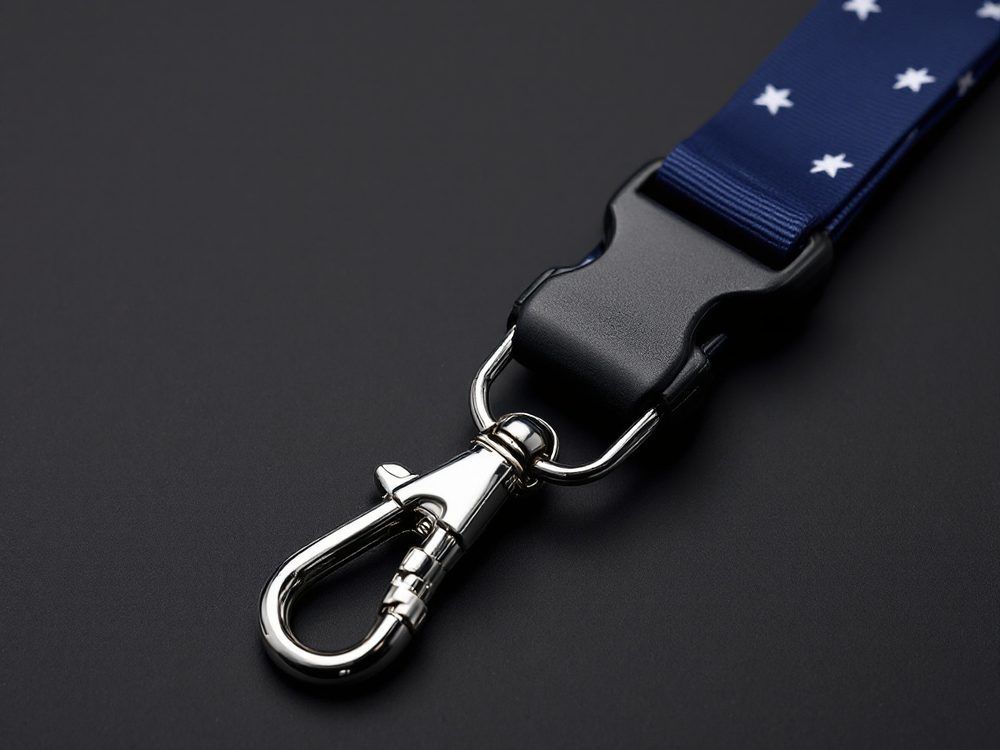
ID badges need a lanyard, and in patient care that lanyard should come apart under pressure. A breakaway lanyard has a safety release near the neck, so a confused or combative patient cannot use it to pull a staff member, and it lets go if it snags on equipment. Many facilities make breakaways their standard for clinical staff.
Ordering for a facility or system
Healthcare purchasing usually needs a written quote, and ours comes back in 2 to 3 business days at the factory price for your sizes and quantities. Send your approved logo or seal (AI, EPS or PDF are cleanest; a PNG or a photo of a current patch is enough to start), sizes, quantities per design, backing and your in-hands date. The proof follows in about 1 to 3 business days after artwork, and production takes about 3 to 4 weeks after you approve the proof in writing. The minimum starts from 100 pieces and is confirmed on your quote. Reorders skip the setup, which helps when new hires arrive through the year. When you are ready, request a quote.