Breakaway lanyards have a safety clasp, usually at the back of the neck, that pulls apart when the strap is yanked or caught, so the lanyard comes off instead of tightening around the wearer's neck. You need one anywhere a strap could snag: near machinery, moving vehicles, doors and gates, in patient care, in schools and at youth events. If your workplace or venue has a safety policy that names lanyards, follow it; if it does not, adding a breakaway is a simple precaution that changes very little about how the lanyard looks or works.
This guide explains how the release works, where it matters most, how it differs from a buckle release, and how to specify it on a custom order.
How a breakaway release works
A breakaway is a small plastic connector that joins the two ends of the strap. In normal wear it stays closed and you do not notice it. When the strap is pulled hard, for example if the lanyard catches on a moving part or someone grabs it, the two halves separate and the strap falls open. Afterwards, you press the halves back together and the lanyard is ready to wear again.
A few points are worth knowing:
- Placement: the breakaway usually sits at the back of the neck, where the pull from a snag is strongest and where it stays out of the way.
- Release force: it is designed to open under a firm pull but not under the weight of a badge. The exact force varies by design and supplier, so if your safety policy sets a figure, put it on your quote request and we check it with the factory.
- Material: most releases are moulded plastic, so they also break the metal path around the neck, which some workplaces prefer.
Where a breakaway is worth adding
The question to ask is simple: could this strap catch on something, or could someone pull it? If the answer is yes, add a breakaway.
| Setting | Why a breakaway helps |
|---|---|
| Manufacturing and warehouses | Straps can catch in rollers, conveyors, drills and moving equipment |
| Hospitals and care homes | Patients may grab at a strap during care |
| Schools, camps and youth events | Children pull on straps and climb on play equipment |
| Security and public safety | A strap can be grabbed during a confrontation |
| Venues and event crews | Staff work around rigging, vehicles, gates and crowds |
| Labs and kitchens | Straps can catch on equipment and drag through hazards |
| Office staff | Low risk, but a breakaway costs little comfort and covers doors and drawers |
Some organizations go further and ban neck lanyards entirely in certain areas, using a badge clip or a short strap instead. That decision belongs to your safety officer or site policy, not the lanyard supplier, so check your own rules before you order.
Breakaway vs buckle release
These two parts are often confused, because both are plastic clasps on the strap. They do different jobs.
- Breakaway at the neck: a safety part. It opens when the strap is pulled, protecting the wearer.
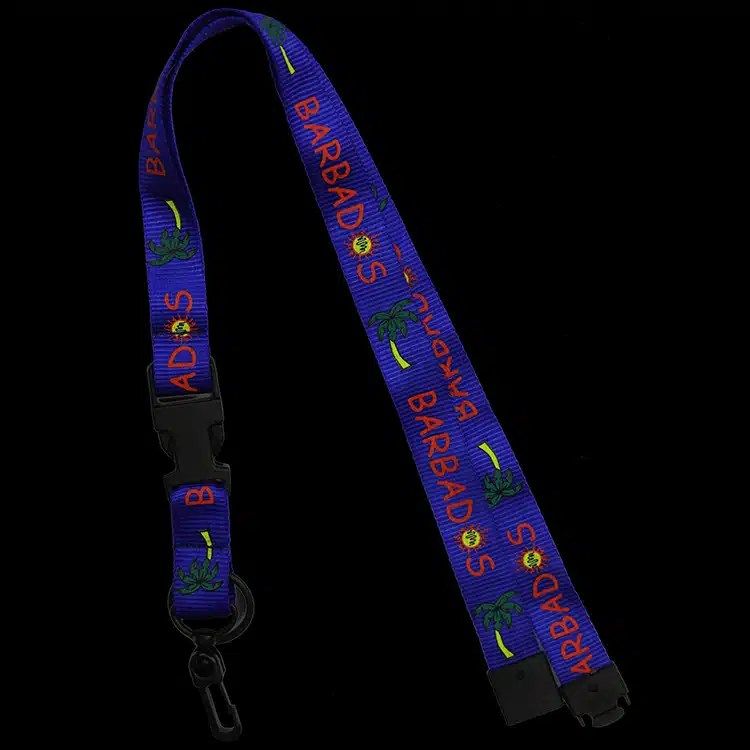
- Buckle release near the hook: a convenience part. You squeeze it to detach the badge or keys from the strap, for example to tap a card reader or hand a badge over, without taking the lanyard off.
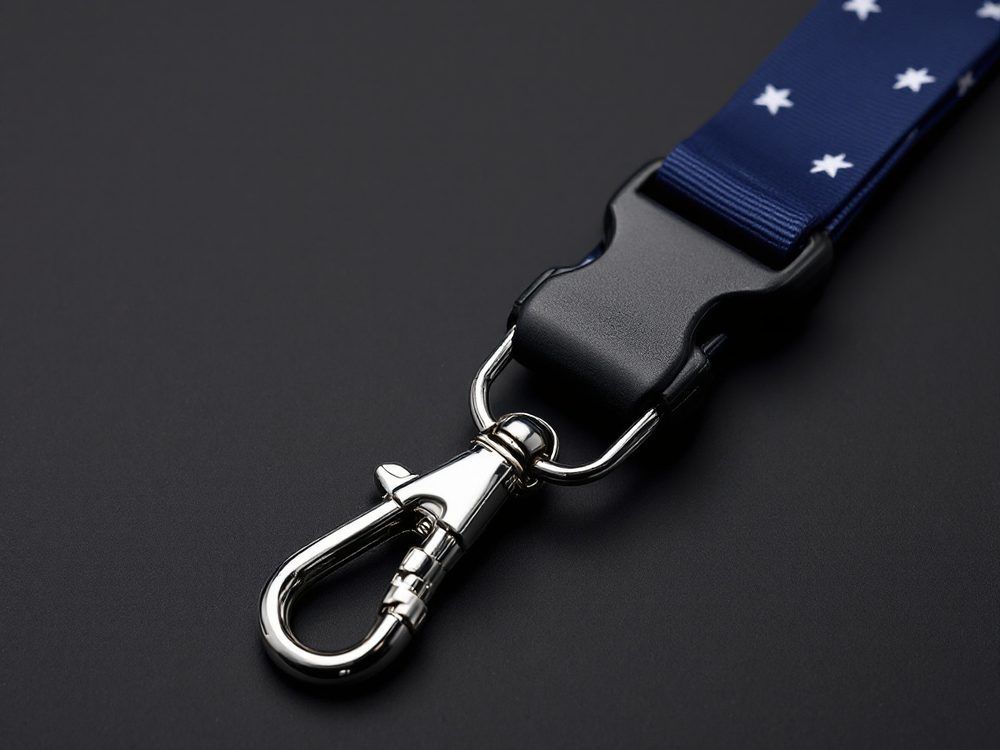
A buckle release does not usually open when the strap is pulled, so it does not replace a breakaway. Many staff lanyards use both: a breakaway at the neck for safety and a buckle near the badge for day to day use. Our quote form has an option for each, and for both together.
Common mistakes with safety releases
- Ordering a buckle and calling it a breakaway. Check the proof shows the release at the back of the neck, not only near the hook.
- Hanging too much weight. A heavy load of keys, tools and a badge reel can pull a breakaway open during normal work. Move keys to a belt clip or choose a wider strap.
- Taping it shut. Staff who find the release annoying sometimes tape or knot it. If that happens, look at the load and the hardware rather than removing the release.
- Forgetting visitors. Contractors and visitor lanyards on a site floor need the same release as staff lanyards.
Choosing the rest of the lanyard
A breakaway works with every common lanyard material. A few combinations suit safety focused jobs well:
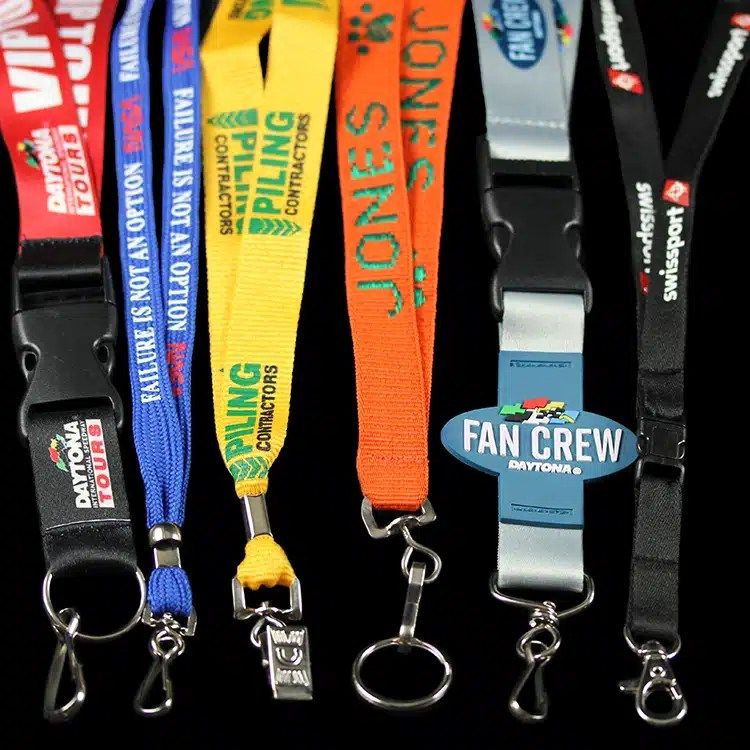
- Flat polyester or nylon with a breakaway: the everyday staff setup, printed with your logo.
- PVC with a breakaway: a moulded strap that wipes clean, suited to wet, outdoor and clinical settings.
- Tubular with a breakaway: soft and round, comfortable for long shifts.
- Plastic hardware at the badge end: worth considering where metal is unwelcome, such as around certain equipment.
- A badge reel: lets staff tap a card without leaning toward a reader, which keeps the strap away from moving parts.
Width matters too. Heavier loads sit better on a wider strap, and our lanyard width and length guide explains each size. For all the hardware options in one place, see the lanyard attachments and materials guide.
Rolling out breakaway lanyards to a team
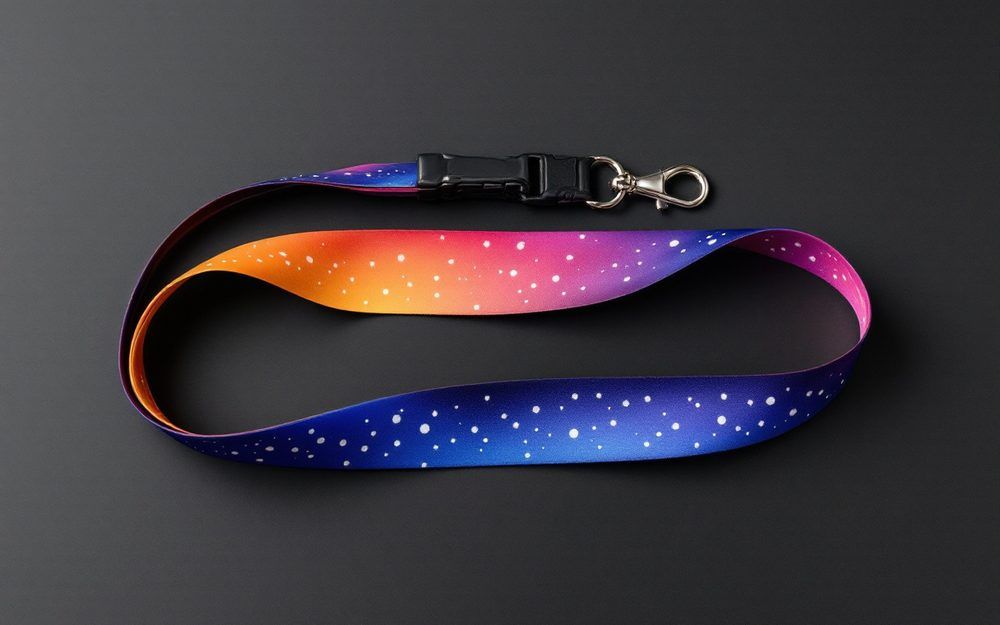
If you are replacing old lanyards across a site, a few steps make the change stick:
- Check the policy. Confirm with your safety officer where neck lanyards are allowed and whether a breakaway is required.
- Test a sample. Pull the strap the way it might catch and make sure it opens, and that it stays shut under normal wear.
- Order enough. Plan for every staff member, new starters and replacements for lost lanyards.
- Explain it. A short note telling staff why the lanyard comes apart stops people taping or knotting it shut.
- Collect the old ones. Lanyards without a release tend to stay in use unless they are taken back.
What to put on your lanyard quote
- Safety release: breakaway at the neck, buckle near the hook, or both.
- Material, width and length.
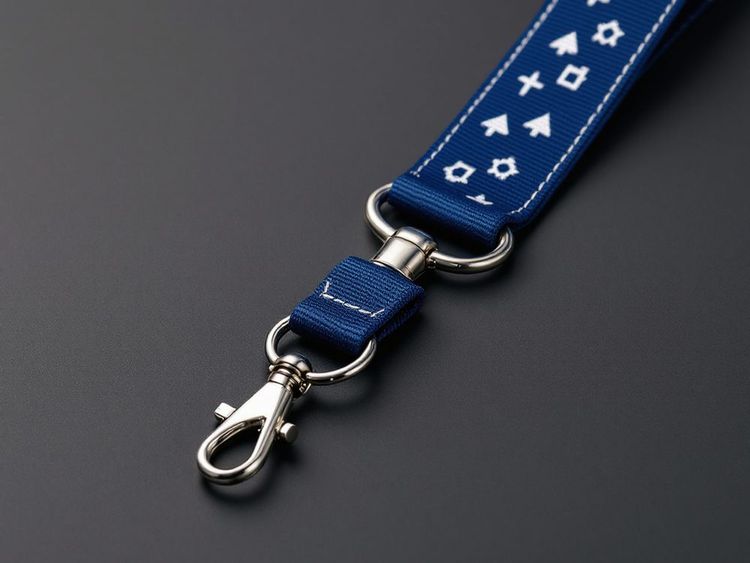
- Badge end hardware: J-hook, lobster claw, swivel hook, bulldog clip, key ring or badge reel.
- Artwork (AI, EPS or PDF is cleanest; a photo of an old lanyard is enough to start).
- Number of colours, quantity and in-hands date.
- Any release force or material requirement from your safety policy.
See all the materials on our custom lanyards page, then request a quote. Custom lanyards start from 100 pieces, priced from the factory price, and the quote comes back within 2 to 3 business days. Nothing runs until you approve the proof in writing.