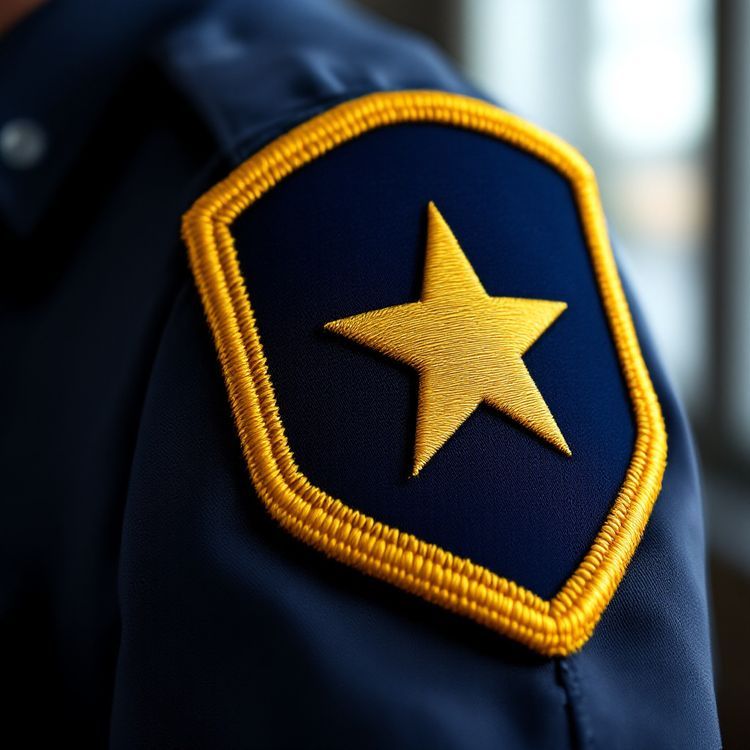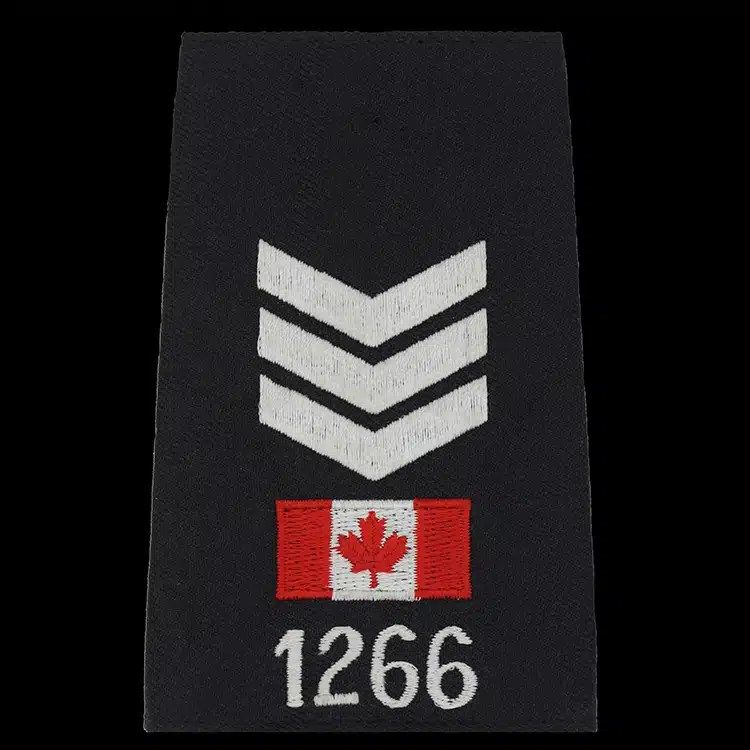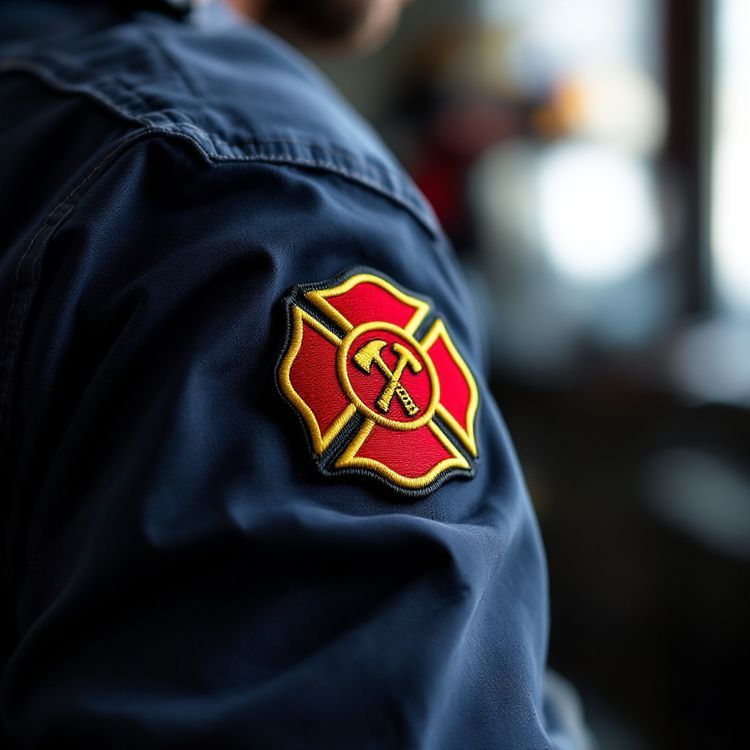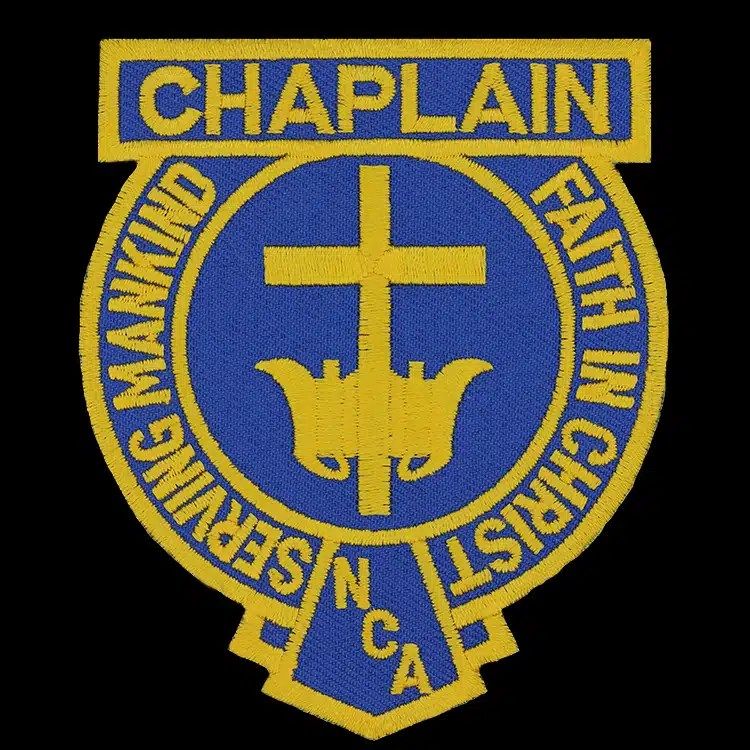
A good 911 dispatcher patch combines the center's name, the word DISPATCH, COMMUNICATIONS or 911, and one clear symbol such as a headset, a star or a radio wave, in a 3 to 4 in (76 to 102 mm) embroidered shoulder or chest patch. Dispatchers mostly wear polos, button shirts and jackets, so sew-on and iron-on backings are the usual choices, with hook-and-loop for tactical dispatchers who deploy to the field.
Dispatchers and telecommunicators often get a patch as an afterthought, a version of the sheriff's or fire department's patch with a word changed. A dedicated design gives the center its own identity. This guide covers design ideas, wording, specs and the products centers commonly order for National Public Safety Telecommunicators Week.
Design ideas for dispatcher patches
Strong dispatcher patches tend to build on one central symbol. Pick one and let it carry the design:
- Headset: the most recognizable dispatcher symbol, often set over a star or a map outline.
- Radio waves or a lightning bolt: the signal going out to the field.
- Telephone handset: a nod to 911 call-taking, sometimes with the numbers 9-1-1 inside it.
- Combined services: small police, fire and EMS icons around a central headset, for centers that dispatch all three.
- Local landmark or county outline: ties the patch to the place you serve.
Phrases are common in a bottom banner, such as THE FIRST FIRST RESPONDERS or THE CALM IN THE CHAOS. Keep a motto short enough to fit the patch at your chosen size: on a 3.5 in (89 mm) round patch, a curved line of about 20 to 25 characters is a sensible limit.
Wording: dispatcher, telecommunicator or communications
The words on the patch should match what your center calls the role. Common options are 911 DISPATCHER, EMERGENCY COMMUNICATIONS, PUBLIC SAFETY TELECOMMUNICATOR, COMMUNICATIONS DIVISION and E911. Supervisors and trainers sometimes add a tab such as CTO (communications training officer) or SUPERVISOR. If you are ordering for a consolidated center that serves several agencies, name the center rather than any one agency so the patch is fair to everyone.
Specs: size, construction and colour
| Patch | Typical placement | Approximate size | Common backing |
|---|---|---|---|
| Center shoulder patch | Sleeve of a uniform shirt | 3.5 to 4.5 in (89 to 114 mm) | Sew-on |
| Chest patch | Left chest of a polo or jacket | 2.5 to 3.5 in (64 to 89 mm) | Iron-on or sew-on |
| Role tab | Above the shoulder patch | About 3 to 4 in (76 to 102 mm) wide | Sew-on |
| Tactical dispatcher panel | Vest or jacket | About 2 x 5 in (51 x 127 mm) | Hook-and-loop |
| Cap patch | Cap front | About 2 to 3 in (51 to 76 mm) | Sew-on |
Sizes are a general guide. Our patch size guide covers each placement in more detail.
Construction
An embroidered patch is the standard for uniforms and holds up well on shirts that are washed weekly. If your design includes a detailed county map or small text, a woven patch keeps the detail sharp and sits flatter on a lightweight polo.
Colour
Many centers use navy, black or royal blue, with gold or silver lettering, which sits well alongside police and fire patches. Thread comes in solid colours, so keep any gradients out of the artwork for embroidered and woven patches.
Backings for dispatch uniforms
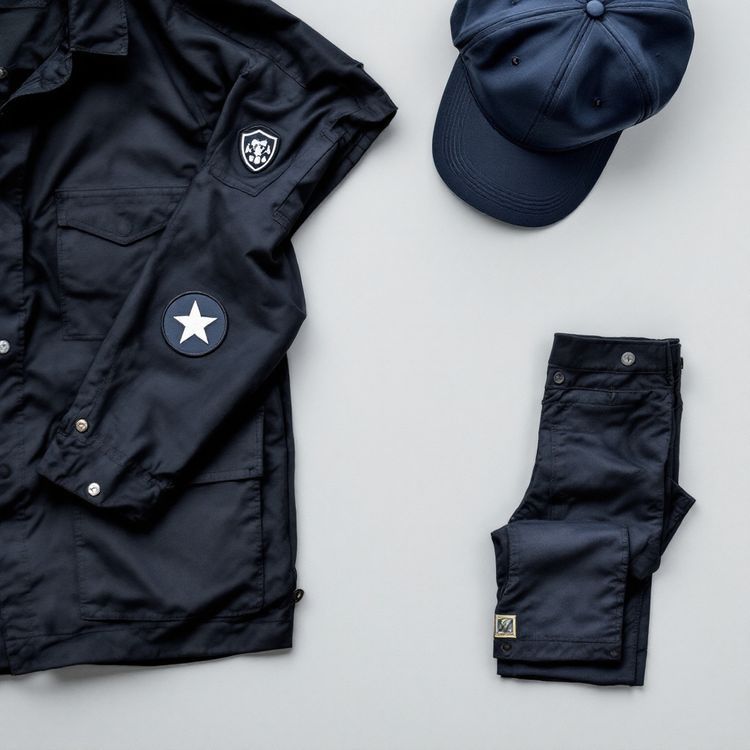
Iron-on (heat seal) backing is convenient for polos and soft shirts, and it is easy for a center to apply in-house. For shirts that go through frequent laundering, sewing the edge as well as ironing keeps the patch flat. Sew-on is the dependable choice for uniform shirts and jackets. Hook-and-loop suits tactical dispatchers, who support SWAT and incident command in the field and may need to move a patch between vests. Our iron-on application guide covers heat, time and pressure.
Patches, pins and coins for Telecommunicators Week
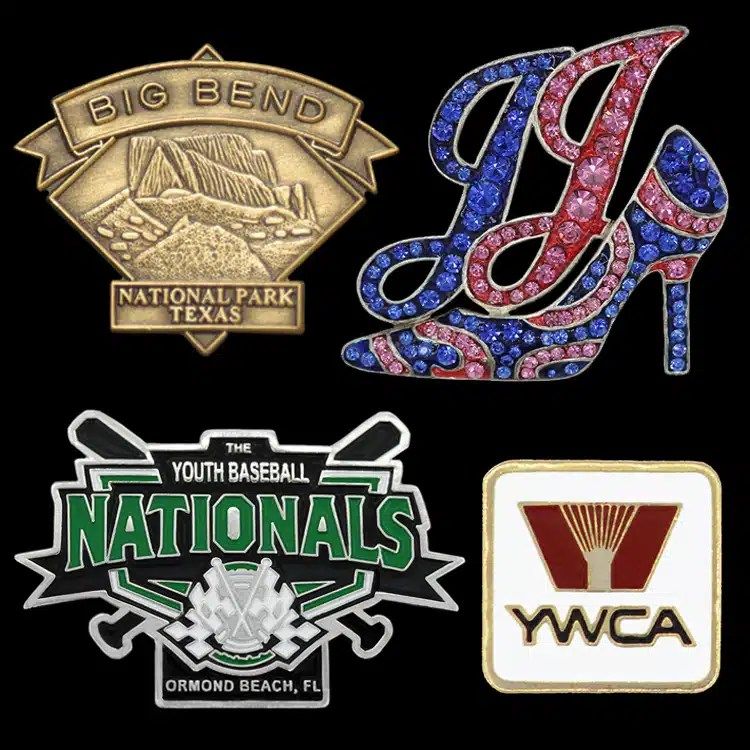
National Public Safety Telecommunicators Week is observed in the second full week of April. It is the most common time for centers to order commemorative items for their staff, and planning backward from that date matters: with a quote in 2 to 3 business days, a proof in 1 to 3 business days and production of about 3 to 4 weeks after approval, you should start in early March at the latest. Rush production of around 10 business days is sometimes possible when the factory can hold it, but it should not be the plan.
Popular choices for the week include:
- A yearly patch: the center emblem with the year, collected by long-serving staff.
- Lapel pins: a soft enamel headset pin is small, light and easy to hand out.
- Challenge coins: for directors who want to recognize individual calls or years of service.
- Lanyards: printed with the center name, for ID badges in the communications room.
Common dispatcher patch mistakes
Most dispatcher patch problems come from trying to say too much. A few to avoid:
- Too many icons. Police, fire, EMS, animal control, public works and a headset will not all read on a 3.5 in patch. Pick the headset and two or three supporting icons at most.
- A detailed county map. Coastlines and borders with tiny inlets lose their shape in thread. Simplify the outline, or choose woven.
- Thin lettering. Condensed and script fonts close up when stitched. Use a heavy block or slab typeface.
- Low contrast. Navy text on a black patch disappears under the lighting in a dispatch room and outdoors. Keep light lettering on dark twill, or the reverse.
- Copying the agency patch. A center that dispatches for several agencies looks better with its own identity than with one agency's patch and a changed word.
If you are not sure the design will hold up, a mockup at the real size answers the question quickly.
Ordering for a dispatch center
- Agree on the wording and symbol with the center director.
- Decide which garments get which patch, and the size for each.
- Count staff on every shift, plus trainees and spares.
- Send artwork in AI, EPS or PDF; a PNG or a photo of the current patch is enough to start.
- Give your in-hands date, especially for Telecommunicators Week.
Custom runs start from 100 pieces, varying by product, with the minimum confirmed on the quote. Once a patch is made, reorders skip setup and the digitizing stays on file, so new hires get a matching patch. You can preview your design free in the Patch Studio, then request a quote.