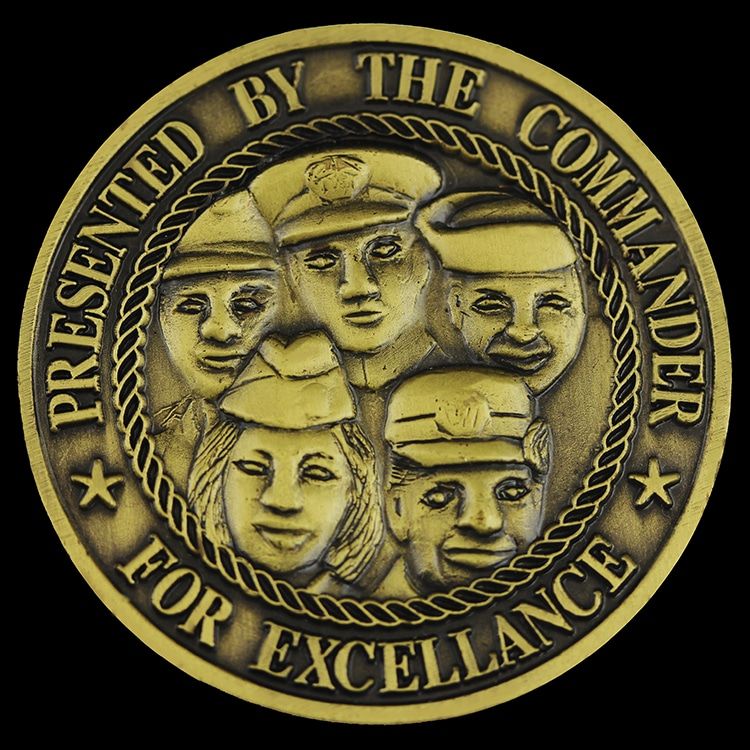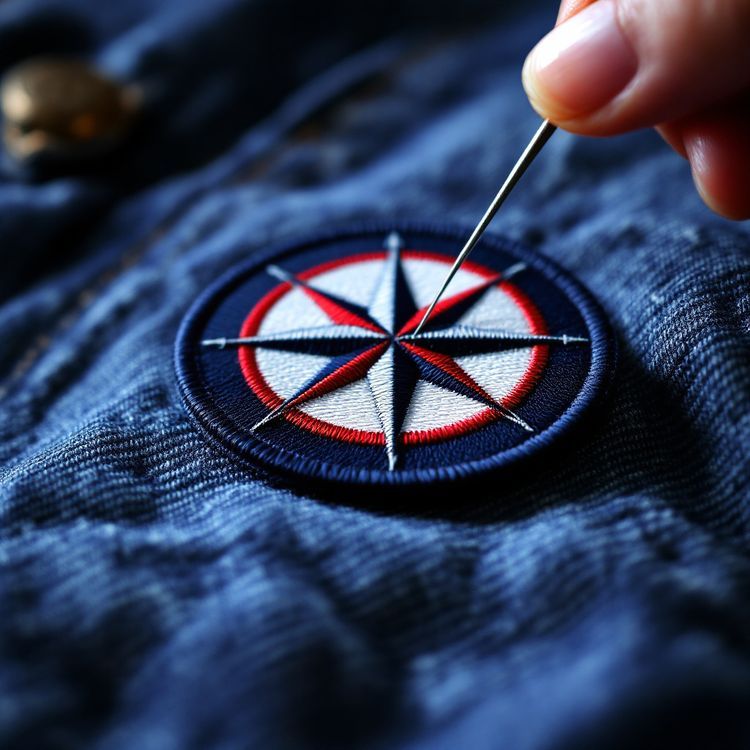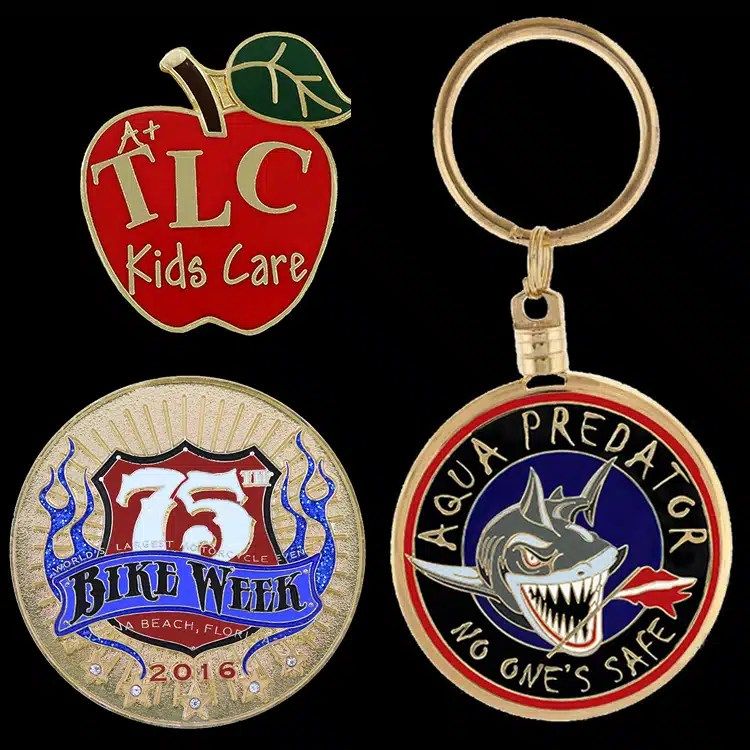
Reunion patches, pins and coins give everyone who attends a unit, class or family reunion something to take home that marks the year and the group. A patch suits groups who wear vests, jackets or caps; a lapel pin is the easiest item to hand out at a registration table; and a coin works as a keepsake or a gift to honor members. Whichever you choose, put the group name, the reunion year and place on it, and order about two months before the event.
Reunion organizers are usually volunteers juggling a venue, a mailing list and a budget. This guide keeps the keepsake part simple: which item fits your group, what to put in the design, how many to order and when.
Patch, pin or coin: which fits your reunion
The right item depends on how your group will use it after the weekend. A military unit whose members wear association vests or ball caps will get more use from a patch. A family reunion with grandparents and toddlers often does better with a pin that clips to a name badge. A coin feels more formal and is often given to honor veterans, organizers or the oldest attendees.
| Item | Best for | How it is used |
|---|---|---|
| Embroidered patch | Unit associations, motorcycle and vest-wearing groups, class reunions | Sewn or ironed on vests, caps, jackets and bags |
| Lapel pin | Family reunions, large gatherings, annual events | Worn at the event, collected year to year |
| Challenge coin | Military units, honoring members, milestone reunions | Carried, displayed or presented at a dinner |
| Luggage tag or key chain | Groups that travel to the reunion | Clipped to bags and keys long after the event |
Many groups pair two: a pin for everyone at check-in and a coin for a smaller list of honorees. If you are unsure, our comparison of patches vs pins covers how each one gets used.
Military unit and association reunions
Unit reunions often bring together people who served decades apart. A good reunion design nods to the unit without trying to reproduce official insignia line for line. Many associations use the unit number, a ship or aircraft silhouette, the years or conflicts the unit served in, and the reunion city and year.
If you want to include a unit crest, a ship's emblem or a branch seal, check the rules from the relevant service branch on use of its marks; each branch has an office that handles trademark and insignia licensing. Your association may already have its own approved emblem, which is the easiest place to start. Our guide to veteran patches covers branch, service and memorial designs in more depth.
Custom challenge coins are the natural fit for unit reunions. Hand them out at the banquet, present one to the oldest veteran attending, or send them to members who could not make the trip. Our post on challenge coin traditions explains the customs many attendees will already know.
Family and class reunions
A family reunion design usually centers on the family name, the year and the location, sometimes with a family tree, the home state outline, or the year the first generation settled in the area. Class reunions use the school name, the class year and the mascot or school colours, often with a line like 25th Reunion.
Because families span every age, think about attachment. A pin with a clutch back is fine for adults; for children, a patch they can iron onto a tote bag or a T-shirt is easier and safer. Pins also work well as a yearly collectible: each reunion gets a new pin in the same shape, and the family keeps a growing board of them. Our guide to custom lapel pins explains the options.
What to put in the design
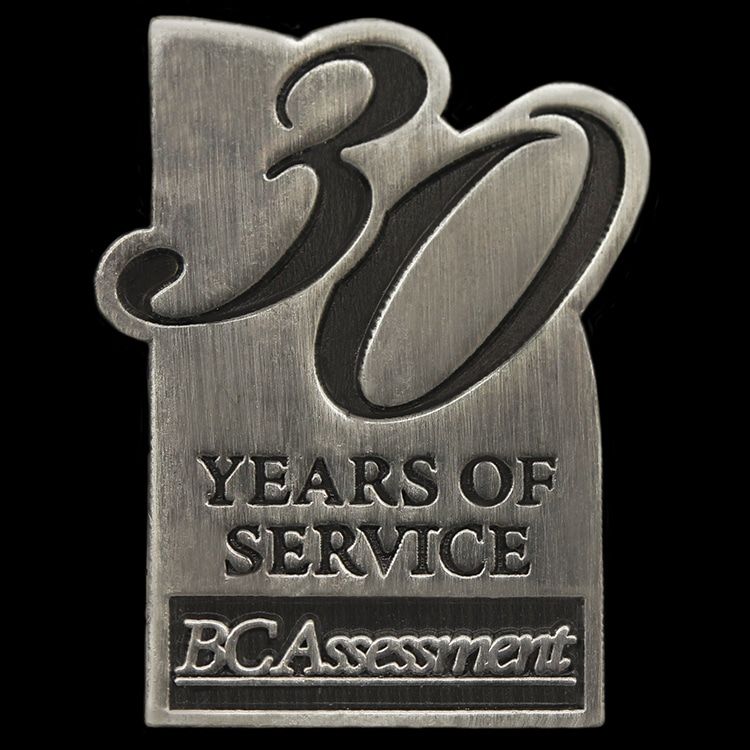
Reunion designs work best when they are easy to read at a glance. Before you send artwork, check it against this list:
- The group name: unit, ship, class or family name, spelled the way the group uses it.
- The reunion year, and the number if it is a milestone (10th, 25th, 50th).
- The host city or venue, if the group likes to collect locations.
- One central image, such as a crest, mascot, ship, aircraft or family symbol.
- Colours that match the unit, school or theme, kept to a sensible number.
- No small text that would be lost at the size you are ordering.
Have two people proofread every name, date and spelling. Reunion items are personal, and a misspelled family name or a wrong year is the kind of mistake people remember. The proof stage exists for this; nothing runs until you approve it in writing.
How many to order
Custom minimums start from 100 pieces and vary by product, confirmed on the quote. For a reunion, start with your expected attendance, then add pieces for members who register late, for those who cannot attend but want one mailed, and for a few to keep on hand for next year. Groups that sell extras to cover costs often find a small table at the event clears them quickly.
If your group is smaller than the minimum, consider a design that is not tied to one year. A patch or pin with the association name and no date can be handed out at several reunions, and a dated item can be added later.
Think about how you will hand out the items too. A table at registration with a printed list of names makes check-in quick, and a few spares set aside for honorees and organizers prevents last-minute scrambles.
For members who cannot attend, mailing the patch or pin with a short note from the organizers is a kind gesture, and it keeps them connected to the group until the next reunion.
When to order
Reunion dates are fixed months ahead, which is the organizer's advantage. A typical schedule looks like this:
- Send the artwork, quantity and event date, and get a quote back in 2 to 3 business days.
- Review the proof, usually ready 1 to 3 business days after the artwork.
- Production runs about 3 to 4 weeks after you approve the proof in writing.
- Shipping by UPS from Holly Hill, Florida, to you or straight to the venue.
Starting about two months out gives room for a revision or two and leaves a cushion before the weekend. All figures are typical and confirmed on your quote.
Getting started
If you have a logo from a past reunion, a photo of an old patch, or even a sketch, that is enough to start. AI, EPS or PDF files are cleanest, and PNG is accepted. You can test a patch design on a cap or jacket in the free Patch Studio, then request a quote with the event date so the schedule is checked from day one.