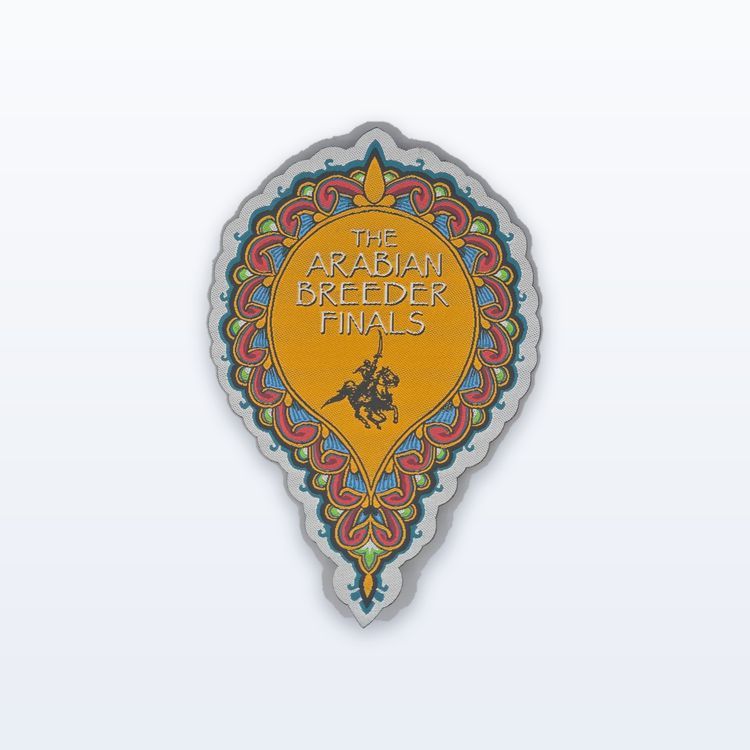
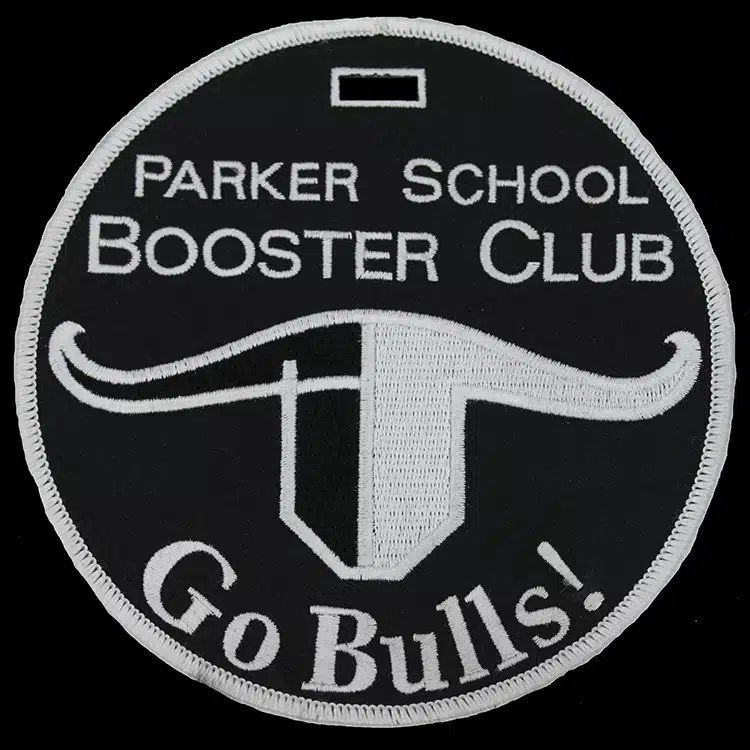
Patches and pins both make good merch, but they do different jobs. A patch is fabric: it goes on jackets, bags, caps and vests, reads well at a distance, and suits bold logos and larger art. A lapel pin is metal and enamel: it goes on lapels, lanyards, backpacks and hat bands, feels like a small piece of jewelry, and suits crisp, compact designs. If people will wear it on gear, choose a patch. If they will collect it, trade it or wear it on clothing they do not want to alter, choose a pin.
Below is a side by side comparison, then the questions that usually settle the choice for a brand, a band, a club or an event.
How patches and pins differ
A custom patch is made from thread or printed fabric with a finished edge and a backing. People sew it, iron it or attach it with hook-and-loop, so it becomes part of the item it sits on. It has a soft, tactile feel and can be quite large without becoming heavy.
A custom lapel pin is a small metal piece, usually die struck or cast, with colour filled in enamel or printed, and a pin post with a clutch on the back. It is attached in seconds and removed just as quickly, leaving no mark beyond a small hole. It has weight and shine, and people tend to treat it as something to keep.
| Factor | Patches | Lapel pins |
|---|---|---|
| Material | Thread or printed fabric | Metal with enamel or print |
| Typical size | About 2 to 4 in (51 to 102 mm), larger for back patches | About 3/4 in to 1.5 in (19 to 38 mm) |
| Where worn | Jackets, bags, caps, vests, uniforms | Lapels, lanyards, bags, hats, pin boards |
| Attachment | Sew-on, iron-on, hook-and-loop | Pin back with clutch, or magnet |
| Feel | Soft, textured, casual | Weighty, polished, keepsake |
| Fine detail | Woven holds more than embroidered | Metal lines hold crisp detail at small sizes |
| Removable | Only with hook-and-loop | Yes, in seconds |
Sizes in the table are rough guides, not limits. Both can be made larger or smaller depending on the design.
Who it is for and how they will use it
Think about the person receiving it. Outdoor brands, motorcycle clubs, breweries, fire and police departments, scouts and anyone whose audience wears jackets, packs and caps tend to get more mileage from patches. The patch becomes part of their gear and travels with them.
Conferences, corporate teams, nonprofits, schools, theme events and collectors tend to suit pins. A pin fits on a lanyard or a blazer without commitment. Pins are also the classic trading item at youth sports tournaments, where teams swap them with each other.

Which suits your design
Some designs simply look better in one medium.
Designs that suit a patch
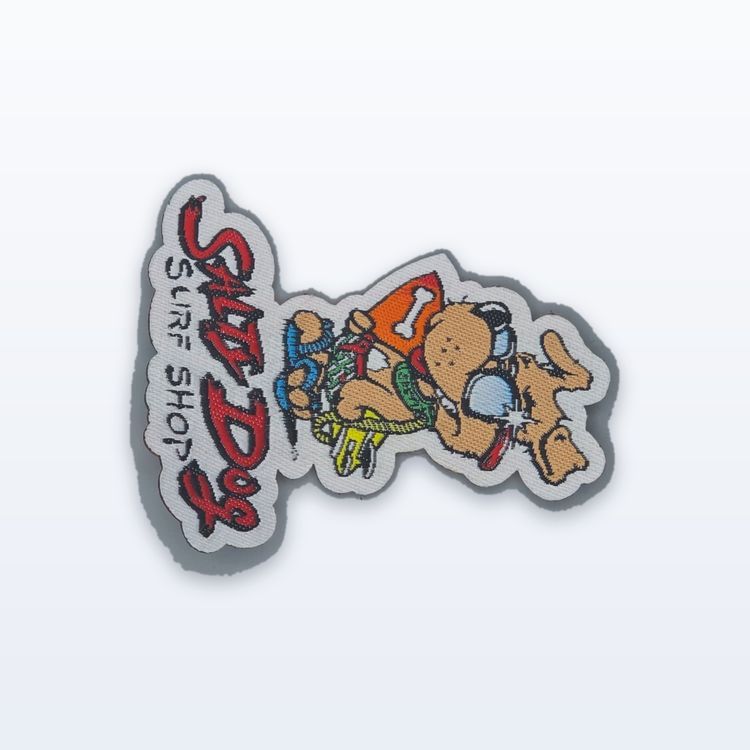
Bold logos, mascots, crests, scenes with large areas of colour, and anything you want to read from across a room. A patch can be made at a size that holds a full badge with text around the ring. Woven patches hold finer detail if your art has small lettering, and sublimated patches handle photos and gradients.
Designs that suit a pin
Compact icons, characters, simple shapes and logos with clear lines between colours. Raised metal lines separate each enamel colour, which makes small designs look sharp. Long text is harder on a pin because the surface is so small. If you are choosing enamel types, see soft vs hard enamel pins.
Durability, packaging and shipping
Both are durable. Patches survive washing when attached properly, and they do not break if dropped. Pins can lose a clutch, so a locking clutch or a rubber clutch is worth considering for anything worn every day. Our guide to lapel pin backs explains the options.
Both are light and flat, which makes them easy to mail with an order, hand out at a booth or tuck into a welcome pack. Patches are slightly easier to send in a plain envelope. Pins are often presented on a printed backing card, which adds to the gift feel.
How people display and keep them
Patches tend to become part of a person's gear. Once sewn to a jacket or a pack, a patch is seen every time that item is worn, often for years. Hook-and-loop patches can be swapped between bags and caps, which suits people who like to rotate them. Collectors also keep patches flat in albums or on a board, and travel patches often end up together on a single favorite bag.
Pins tend to be collected. People line them up on lanyards, hat bands, cork boards and display frames, and trade duplicates with each other. A pin is also easy to move from a work blazer to a weekend jacket, so it can be worn more often than people expect. If your audience already collects pins from other events, a new pin joins an existing habit, which makes it more likely to be kept.
Cost and quantity
Neither is cheap or expensive by nature. The cost of each depends on size, colours, construction, quantity and options. We do not publish a price list, because every job is quoted from the factory price. If you are torn, ask for a patch and a pin of the same design on one quote, at the same quantity. That comparison tells you more than any general rule. Minimums vary by product, starting from 100 pieces, and are confirmed on the quote.
Production time is similar, about 3 to 4 weeks after proof approval for either, so plan the same lead time for both. If your merch is tied to an event, our guide to patches for events and merch covers timing and quantities.
Why not both?
Many brands and events order both: a pin for everyone at registration and a patch for volunteers, finishers or members. Making them from the same artwork keeps the branding consistent. The patch can carry the full design while the pin uses a simplified icon from it. If you are raising money with them, see custom patches and pins for fundraising.
Not sure yet? Try your design as a patch in the free Patch Studio, then ask for a quote on both. You will have a clear comparison within 2 to 3 business days.