Lifeguard patches need to do one thing above all: tell a swimmer in trouble who to look for. That usually means high-contrast colours such as white or yellow on red, the word LIFEGUARD or GUARD in large block letters, and sizes of about 3 to 4 in (76 to 102 mm) on the chest and 10 in (254 mm) or more across the back. Choose embroidered or tackle twill patches with polyester thread, and sew them onto jackets, hoodies and tank tops rather than ironing them, because chlorine, salt, sun and constant washing are hard on adhesive.
Below are the specs that matter for pools, waterparks, beach patrols and aquatic centers: colours, sizes by garment, the cross symbol question, materials, rank and program patches, and the lanyards that go with them.
Visibility comes first
A guard is often seen from a distance, from the water, in glare, by someone who is frightened. The patch has to read in that moment. Red with white or yellow lettering is the look most Americans associate with lifeguards, and keeping to it helps people recognize a guard without thinking. If your agency uses other colours, make sure the lettering contrasts strongly with both the patch and the garment.
- Use one or two words at most, in bold block lettering. LIFEGUARD or GUARD reads faster than a facility name.
- Put the facility or agency name on a smaller chest or sleeve patch instead.
- Avoid script fonts, thin outlines and busy backgrounds behind the lettering.
- Give the patch a border that contrasts with the garment, so it does not blend into a red jacket.
Think about what guards actually wear on the stand. In hot weather it may be only a tank top, shorts and a cap, so the cap and the tank top carry most of the identification. On cool mornings and at beaches with wind, a jacket or hoodie covers everything else, which is why the back lettering on outerwear matters so much. Plan the set so a guard is identifiable in every combination they might wear, not just the full uniform.
Sizes by garment
Sizes below are a starting point. Measure the actual garments your guards wear, especially the back width of the smallest jacket or hoodie in the order.
| Placement | Typical content | Rough size |
|---|---|---|
| Back of jacket or hoodie | LIFEGUARD or GUARD lettering | 10 to 12 in (254 to 305 mm) wide |
| Left chest | Agency logo or GUARD | 3 to 4 in (76 to 102 mm) |
| Upper sleeve | Agency or rank patch | 3 to 3.5 in (76 to 89 mm) |
| Cap or visor front | GUARD or logo | 2 to 2.5 in (51 to 64 mm) tall |
| Hip pack or gear bag | Logo or GUARD | 3 to 4 in (76 to 102 mm) |
For large back lettering, satin tackle twill is often the better choice than solid embroidery. Cut twill letters cover a big area with stitching only around the edges, so they stay lighter and dry faster. Our guide to tackle twill letters and numbers covers fonts, layers and spacing.
A note on the cross symbol
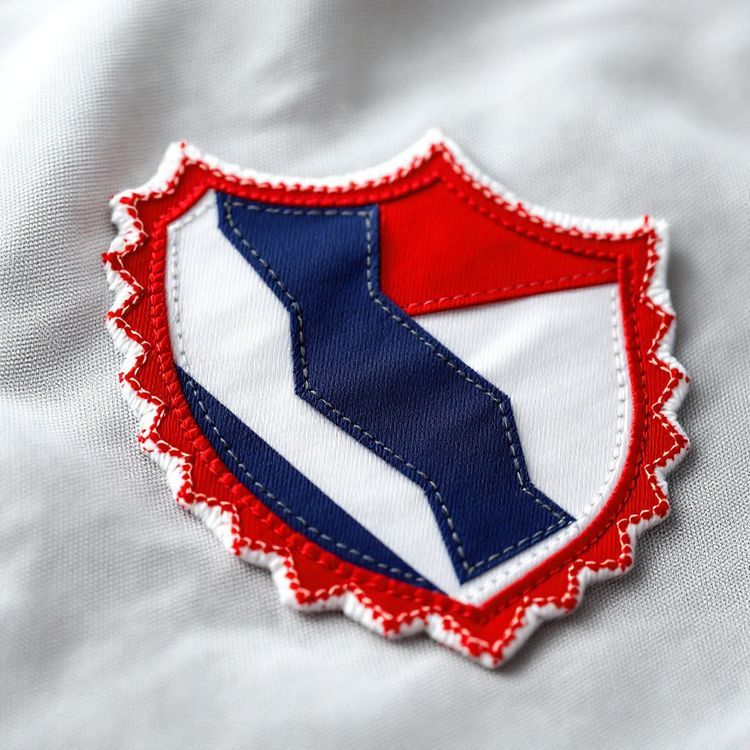
Many lifeguard designs use a cross, and the version matters. In the United States, federal law (18 U.S.C. 706) restricts use of the Red Cross emblem, a red Greek cross on a white ground, to the American Red Cross and the medical services of the armed forces, with limited exceptions for some older users. Lifeguard designs commonly use a white cross on a red background instead, or a different symbol such as a rescue buoy or a flag.
If your design includes any cross, have someone check it against the statute before you approve the proof, and if you are unsure, ask your legal counsel or refer to the American Red Cross's published guidance on its emblem. The same caution applies to certification patches: organizations that certify lifeguards control their own patches and marks. We make your facility, patrol or agency patch, not a certifier's.
Materials for chlorine, salt and sun
Lifeguard uniforms see harder use than most. They are soaked, dried in the sun, washed often and sometimes bleached. A few choices help a patch last the season.
Thread and fabric
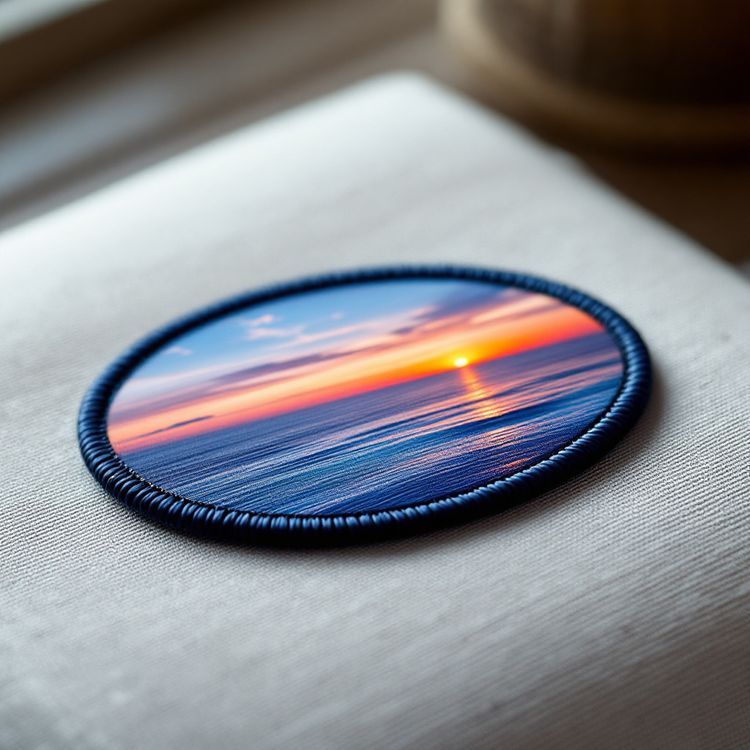
Polyester embroidery thread generally resists chlorine, bleach and sun fading better than rayon, so ask for polyester on any patch that will get wet. Sublimated patches are dye printed into polyester and hold their colour well, which makes them a reasonable option for a logo with a gradient or a beach scene. Woven patches are thin and dry quickly.
Backing and placement
Sew-on backing is the dependable choice. Heat seal glue weakens with repeated soaking and heat, and many guard garments are nylon or polyester blends that do not take an iron well. Patches also do not suit swimsuits or rash guards: the fabric stretches and the patch puckers and pulls. Put patches on jackets, hoodies, tank tops, shorts with a stable waistband panel, caps and bags, and decorate swimwear another way through a garment decorator. Our guide to washing clothes with patches has care steps you can hand out with uniforms.
Rank, instructor and junior guard patches
Larger aquatic programs use patches to show roles at a glance. Common ones include head guard, lieutenant, captain, supervisor and instructor. Keep them the same size and shape as the main sleeve patch and change the colour or the word, so a swimmer and a manager can both tell roles apart quickly.
Junior lifeguard and swim programs often use a patch for each level completed, which children collect over several summers. Years-of-service lapel pins and medals for lifeguard competitions round out a recognition program. Beach patrols with rescue roles beyond the water's edge can borrow ideas from our search and rescue patches guide.
Whistle lanyards and gear
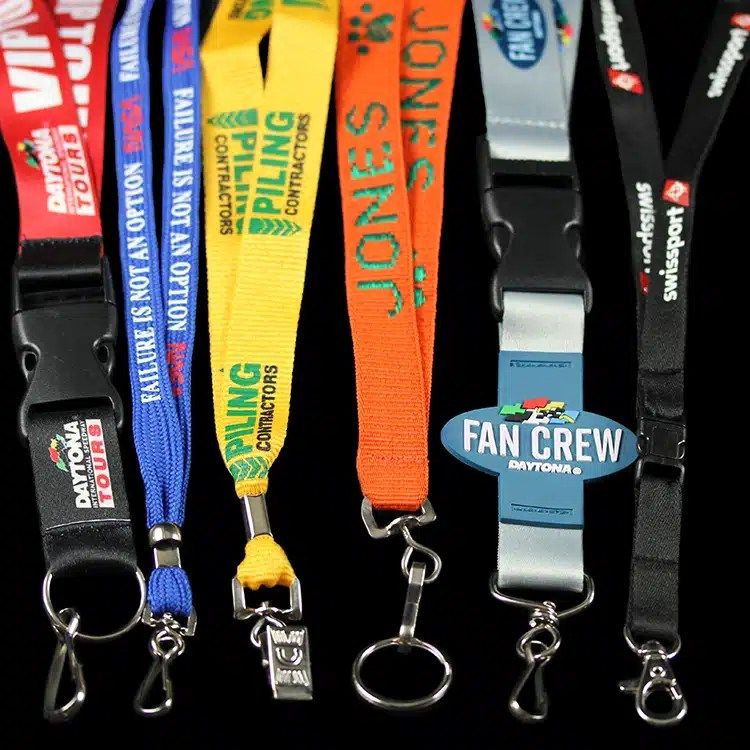
Every guard carries a whistle, and a custom lanyard in your colours keeps it at hand and branded. Printed polyester dries quickly and takes a logo well; a lobster claw clip or split ring holds the whistle. A lanyard worn around the neck near rescue equipment and moving water is a snag risk, so consider a breakaway lanyard with a safety release that lets go under pressure.

Embroidered luggage tags also work as gear tags on rescue bags and staff backpacks, using the same artwork as the patch.
Ordering before the season opens
Most pools and beaches hire and train in spring for a summer opening, so work back from your first training day. Allow 2 to 3 business days for the quote, about 1 to 3 business days for the proof after we receive artwork, and around 3 to 4 weeks of production after written approval, plus shipping. A rush of around 10 business days is sometimes possible, but plan without it. The custom minimum starts from 100 pieces, confirmed on your quote, and reorders skip the setup for next season. When you are ready, request a quote with your artwork, sizes, quantities and opening date.