Patch replication means rebuilding an existing patch from the patch itself when the original artwork file is lost. You send clear photos of the front and back, the measured width and height, and any colour or wording changes, and the factory redraws the design and digitizes it again. You approve a proof that shows the copy before anything is made. A good photo of an existing piece is enough to start a quote.
This guide covers what to photograph and measure, what changes during redrawing, how to get colours close, and the questions about rights you should settle before you order.
When you need to recreate a patch
Most replication jobs come from the same situations. A fire department or police agency needs more shoulder patches, but the supplier who made them has closed. A club has worn its original back patches thin and has nobody who remembers where the file went. A company wants its old logo patch back for an anniversary. A scout troop wants this year's patch to match the style of patches made decades ago.
In each case the patch is the only reliable record. If we made your patches before, the situation is simpler: reorders skip setup because the digitizing stays on file, and our guide to reordering custom patches explains that route. If someone else made them, the design is rebuilt from scratch, and the steps below apply.
What to send with your request
- A sharp photo of the front, taken straight on in daylight, with the whole patch in frame and no flash glare.
- A close-up of any small lettering, dates or fine detail, so nothing has to be guessed.
- A photo of the back, which shows the backing and sometimes the stitch direction.
- The width and height in inches, measured at the widest points with the border included.
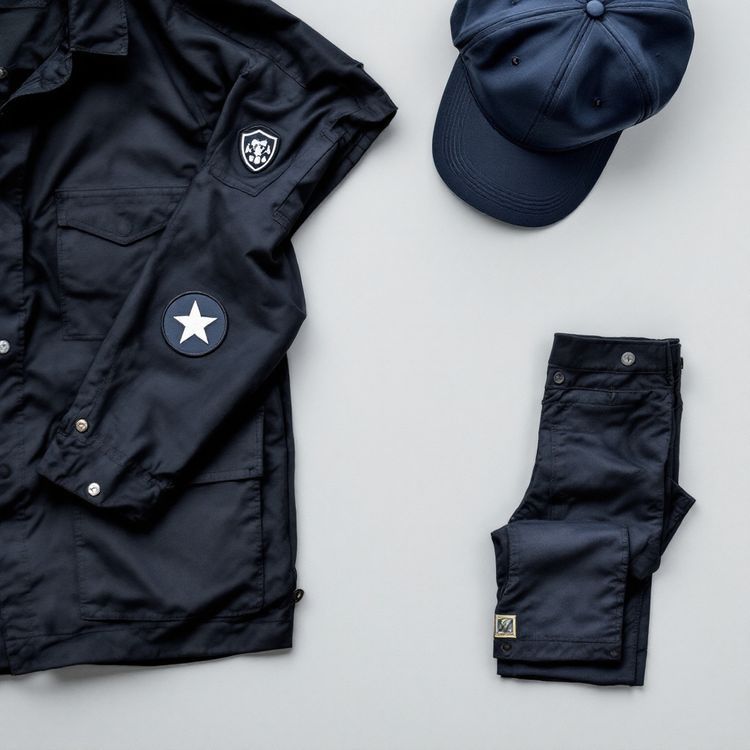
- A photo of the patch on the garment if placement matters, such as a sleeve or a cap.
- Any changes: a new name, an updated date, a corrected spelling or a different colour.
- Quantity, backing and the date you need the patches in hand.
If you have a scan of an old printout, a letterhead with the emblem, or a sign with the logo on it, send that too. Any second source helps the artist confirm shapes that are blurred on a worn patch. Our guide on how to measure a patch covers die-cut shapes and shields.
How the design is rebuilt
An artist traces the patch into clean artwork, using your photos as the reference. The lettering is matched to the closest typeface, or redrawn by hand if it was custom. Shapes are straightened where wear has distorted them. Then the design is digitized, which means it is turned into a stitch plan for the embroidery machine, or into a weave file for a woven patch.
This is not a pixel-perfect copy, and it should not be. An old patch might have a slightly off-center star or a border that wandered during its original run. The redraw keeps the design and corrects small faults. If you want a fault kept, for example an odd letter that people recognize, say so up front.
Identify the construction first
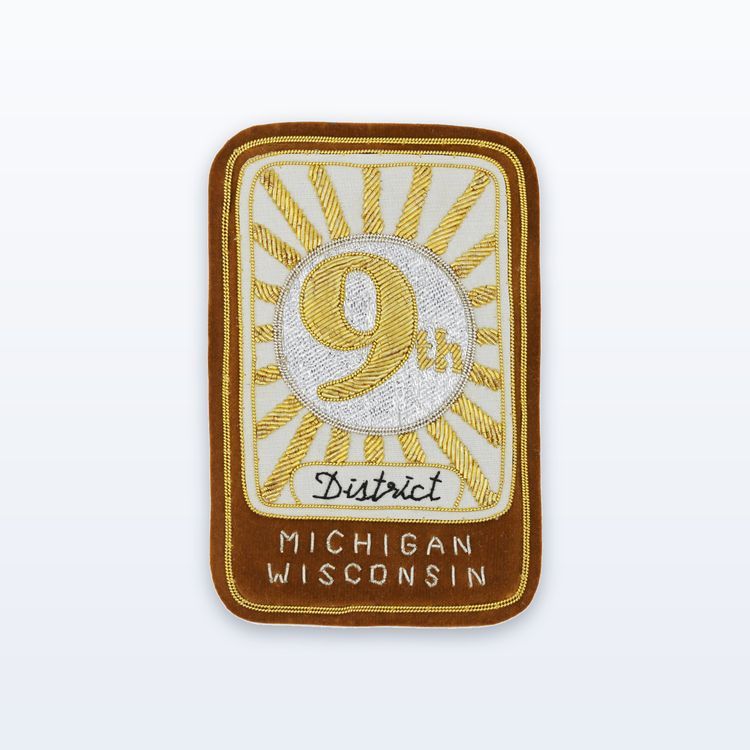
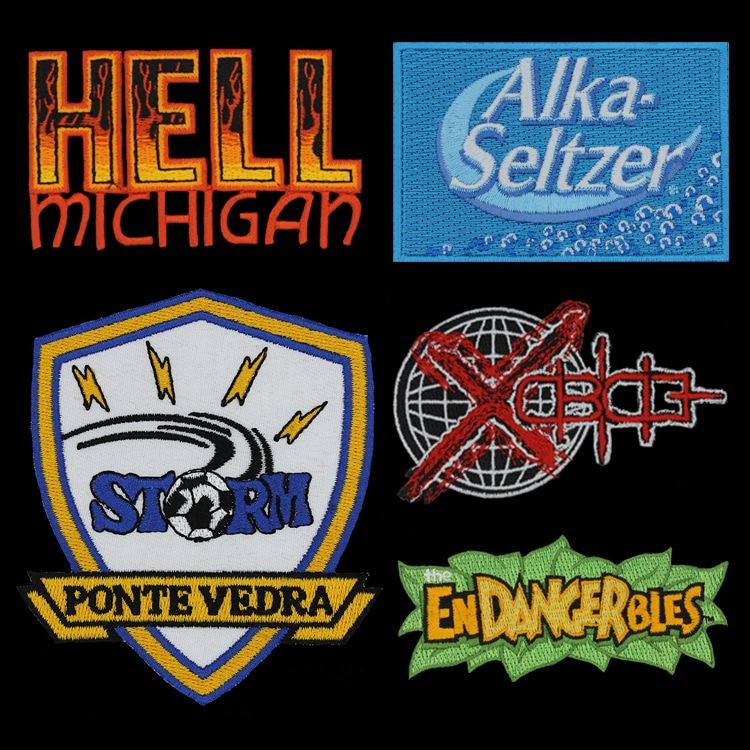
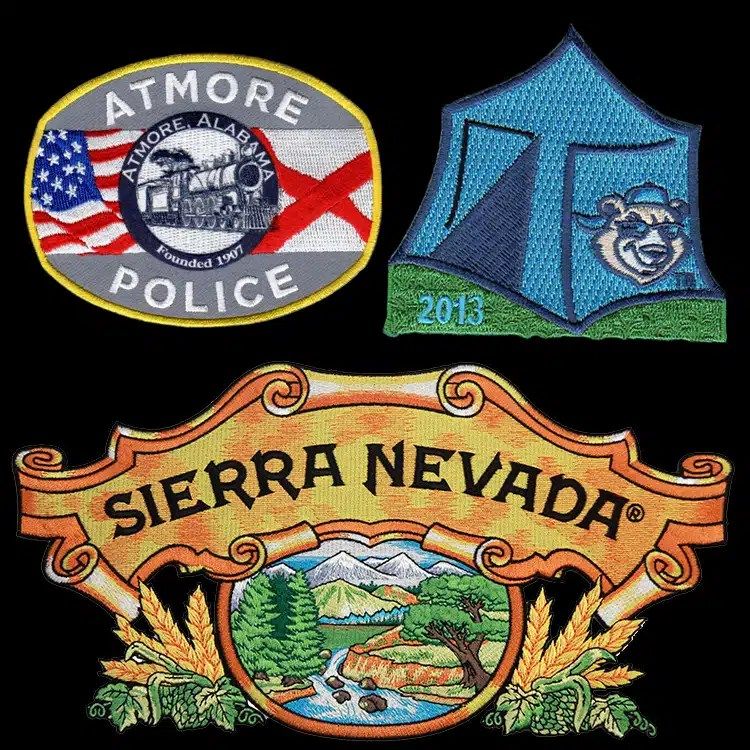
Look closely at the patch. Raised thread sitting on a fabric base is embroidery. A thin, flat patch with the design built into the fabric is woven. Fuzzy, looped yarn is chenille. Layered fabric shapes with a zigzag stitched edge are tackle twill. Metallic wire is bullion. A smooth printed image with gradients is sublimated. If you are unsure, the photos will tell us, and we will confirm on the quote. The custom patches page shows each of the six constructions.
Matching colours, size and border
Colour is the hardest part to match from a photo. Phone cameras shift colour, and old thread has often faded. Where you can, give us a reference that is not the patch: brand colours in Pantone (PMS) numbers, a uniform shirt, or a newer item in the right colour. If the patch itself is the only reference, we match the closest thread colours and list them on the proof so you can check them.
| Detail | How to capture it | What to watch for |
|---|---|---|
| Size | Rigid ruler, widest points, border included | Shrinkage on old, washed patches |
| Colours | PMS numbers or a non-faded reference | Sun-faded thread looks lighter than the original |
| Lettering | Close-up photo of every line of text | Worn letters that are easy to misread |
| Border | Side photo showing the edge | Merrowed rim versus heat cut edge |
| Backing | Photo of the back | Old iron-on glue can hide the real backing |
| Coverage | Front photo in good light | Whether base fabric shows through |
Border type matters for the look. A merrowed border is a thick wrapped edge, used on simple shapes. A heat cut edge is sealed flat and follows the outline. If you are replacing patches on a uniform, matching the border keeps new and old patches looking like one set. More on the difference in merrowed vs heat cut borders.
Check that you have the right to copy it
Replication is for patches that belong to you or your organization: your department's emblem, your company's logo, your club's colours. Before ordering, make sure the person placing the order is authorized to do so. For agency insignia, many departments control who may order shoulder patches, so check your own policy. For a school, a team or a brand logo, you may need permission from whoever owns the mark.
Copying a patch that contains someone else's trademark, a licensed character or a protected emblem without permission can create legal problems for the buyer. If you are unsure, ask the owner first. We are happy to help adapt a design, but we cannot judge ownership for you.
Proof, timeline and keeping the file
Once the artwork is rebuilt, you receive a proof, usually 1 to 3 business days after we have what we need. Compare it side by side with the old patch, line by line. Our proof approval checklist walks through what to check. Production takes about 3 to 4 weeks after you approve the proof in writing, and patches ship by UPS from Holly Hill, Florida.
After the first run, the new digitizing stays on file. That means you will never have to replicate the patch again: the next order is a straight reorder. Ask for a copy of the final artwork for your own records too, so the file is not lost a second time.
Start a replication quote
Send your photos and measurements with the quantity and in-hands date, and we will quote within 2 to 3 business days. If you want to try a refreshed version first, upload a scan to the free Patch Studio and see it on a jacket or cap.