There is no honest single price for a custom patch. The cost depends on size, quantity, construction, how much of the surface is stitched, colour count, edge, backing and how soon you need it. Two 3 in patches can be priced far apart once those choices are made. The useful question is which of those choices matter most for your design, and that is what this guide covers.
We do not publish a price list. We price every job at the factories that make that construction and send you one quote built on the factory price.
The main price drivers
Size
Size is usually the biggest single factor. A larger patch uses more material and, for embroidery, more stitches. Patch size is commonly quoted as width plus height divided by two, so a wide, short patch and a square one can land in the same size band. Our patch size guide shows typical sizes by placement, which helps you avoid paying for more patch than the garment needs.
Quantity
Every run has setup: preparing the artwork, digitizing for embroidery or setting up the loom for woven, and getting the machines ready. That cost is spread over the pieces in the run. Larger runs generally lower the per-piece cost for that reason. Custom minimums start from 100 pieces for most products, confirmed on the quote.
Construction
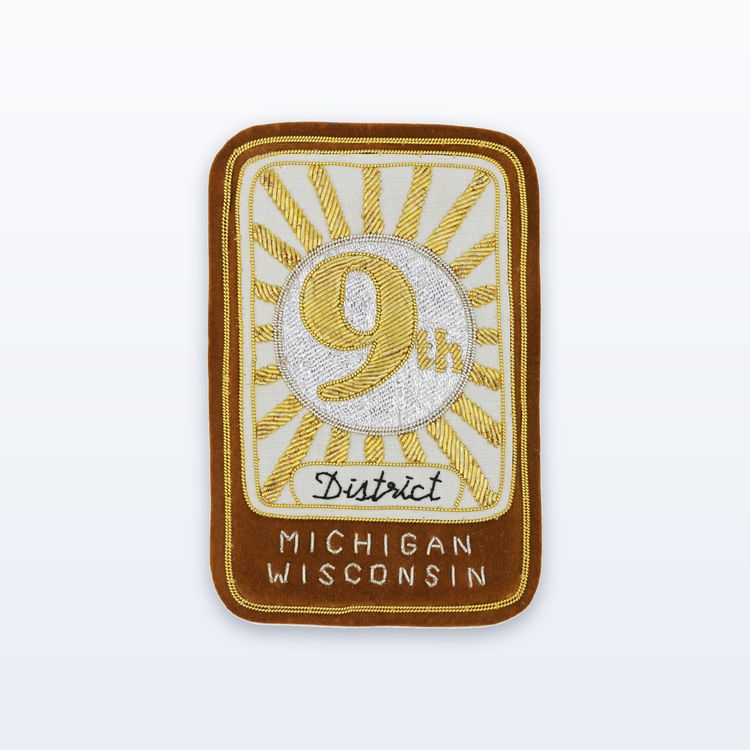
Embroidered, woven, chenille, satin tackle twill, hand embroidered bullion and sublimated patches are made on different equipment, by different processes, often in different factories. Hand embroidered bullion, worked by hand in metallic wire, sits in a different place from a machine made patch.
Costs that come from the design
Embroidery coverage
Coverage is how much of the patch surface is stitched rather than showing the twill background. At 50% coverage the twill shows through; at 100% the whole face is thread. More coverage means more stitches, which generally raises cost and makes the patch stiffer. Our guide to embroidery coverage shows what each level looks like.
Colour count and special threads
Each thread colour is another change on the machine. Special threads such as metallic or glow in the dark are priced above standard thread. A design that reads well in five colours rarely gains much at nine.
Shape and edge
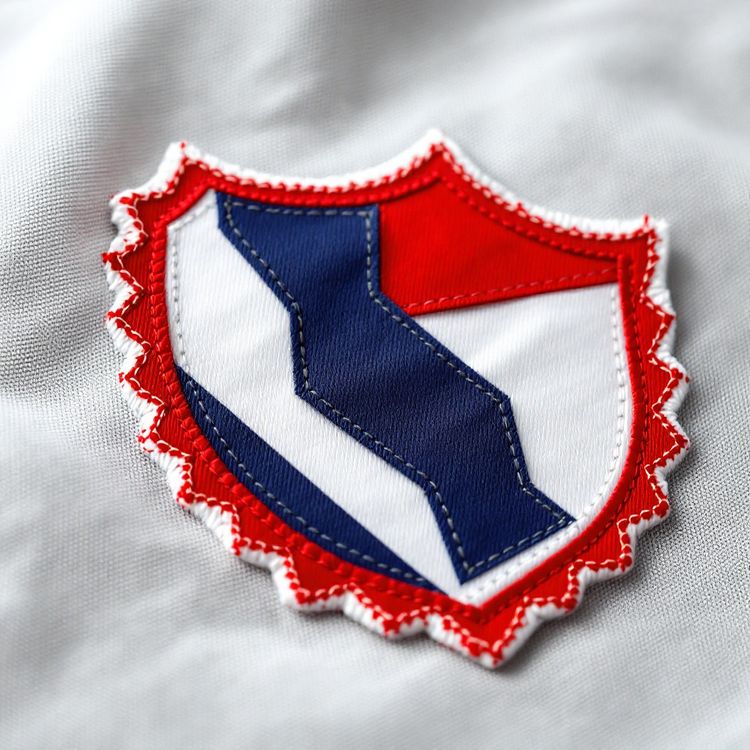
Simple shapes with a merrowed border are straightforward. Custom outlines with a heat cut edge follow the art, and detailed shapes take more care to cut and finish.
Backing
Sew-on is the base option. Iron-on adds an adhesive layer, hook-and-loop adds the hook side sewn on, and plastic adds a rigid backing. Each extra layer or step can add to the cost, so choose the backing the garment actually needs.
Costs that come from the order
Individual bagging or special packaging adds handling. Rush production, around 10 business days when the factory can hold it, is never assumed and is quoted separately. Shipping from Holly Hill, Florida by UPS depends on the weight of the order and the destination.
Standard timing is about 3 to 4 weeks after you approve the proof. If your in-hands date allows for that, you avoid rush cost altogether, which is often the easiest saving on the whole order.
Changes after the proof also cost time. Every revision to artwork, size or colours means a new proof, so settling those details before you request the quote keeps both the price and the schedule steady.
Price drivers and their effect
| Driver | What raises cost | What keeps it down |
|---|---|---|
| Size | Larger patches | The smallest size that still reads well |
| Quantity | Short runs carry setup over few pieces | Larger runs spread setup further |
| Construction | Hand work and multi layer builds | The construction that suits the art |
| Coverage | 100% stitched surface | 50 to 75% with a twill colour that does some of the work |
| Colours and threads | Many colours, metallic or glow thread | Fewer, well chosen colours |
| Shape and edge | Complex custom outlines | Simple shapes with a merrowed border |
| Backing | Added layers such as hook-and-loop | Sew-on where it suits the garment |
| Packaging | Individual bagging or cards | Bulk packed |
| Timing | Rush production | Ordering with 3 to 4 weeks after proof |
How to get quotes you can compare
Patch quotes are only comparable when the spec is identical. A quote for 50% coverage with an iron-on backing will look lower than one for 100% coverage with hook-and-loop, but they are not the same patch.
- Give width and height, not just one number.
- Name the construction, coverage, colour count and any special threads.
- State the edge, the backing and any packaging.
- Ask for pricing at two or three quantities on one quote, such as 100, 200 and 500.
- Give your in-hands date so timing is priced in from the start.
- Send the same artwork file to everyone you ask.
Asking for 100, 200 and 500 on one quote shows you how the per-piece cost moves with quantity. If you will need more patches within the year, ordering them together often costs less than two smaller runs. Our step by step guide on how to order custom patches covers the full request.
How we price your patches
When your request comes in, Brad sends the job to two or three factories that make that construction. We build one quote on the factory price and send it back within 2 to 3 business days. You see one number per quantity, not a stack of options to untangle.
Reorders cost less to set up. The digitizing for embroidered patches stays on file, so a repeat order of the same design skips that step. Bullion patches carry no setup or digitizing fee. You can read more on our custom patches page.
Ways to lower the cost without hurting the look
- Size to the placement. A left chest patch rarely needs to be bigger than 3.5 in.
- Use the twill colour. Pick a background twill that matches your design background and drop the coverage.
- Trim colours. Merge near identical shades and drop colours that only appear in tiny areas.
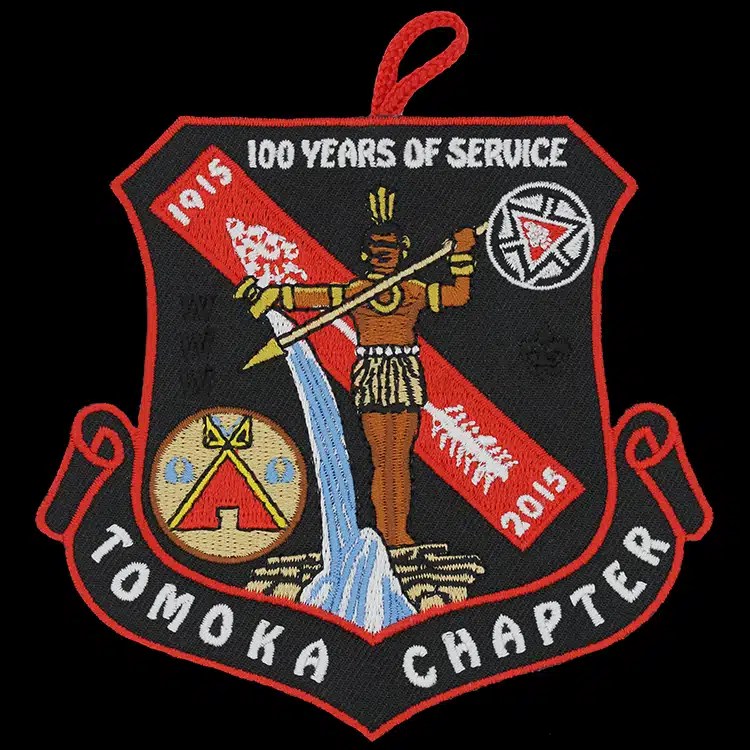
- Keep the outline simple. Place a detailed logo inside a circle or shield with a merrowed edge.
- Order ahead. Avoiding rush is often worth more than any design change.
- Combine runs. One order at a higher quantity spreads setup further than two small ones.
Get a price for your design
Mock up your logo in the free Patch Studio to settle size, construction, edge and backing, then request a quote with your artwork, quantities and in-hands date. You will have one clear quote within 2 to 3 business days, and nothing is made until you approve the proof in writing.