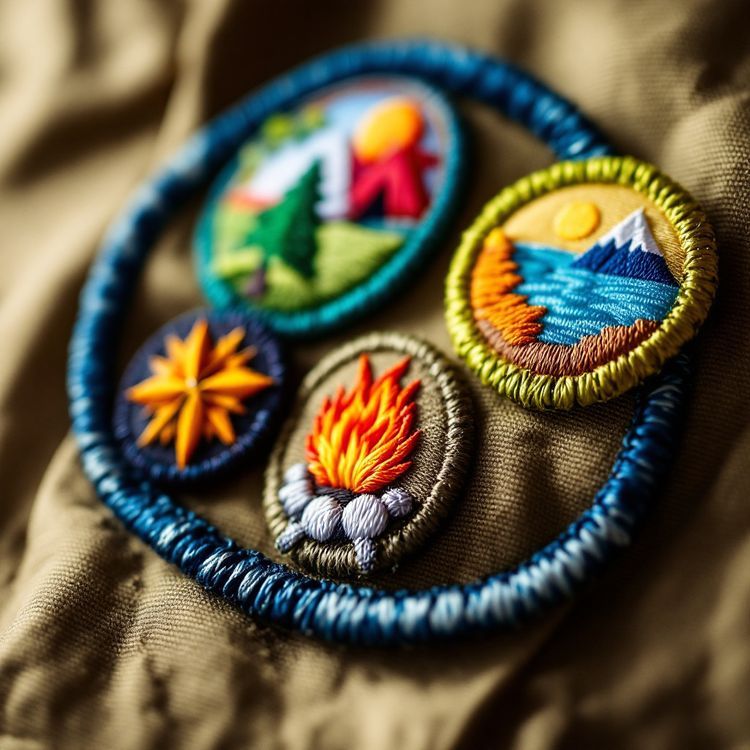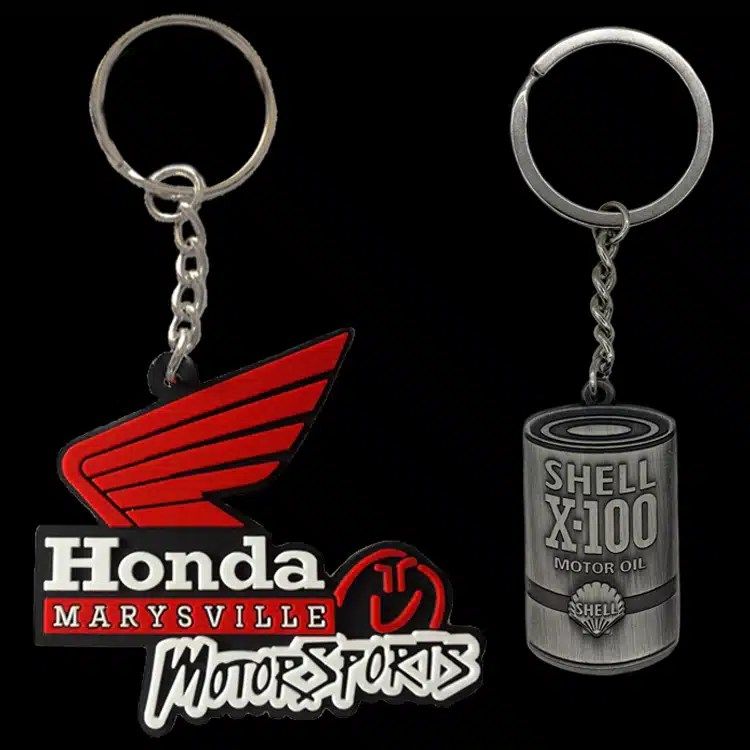
Hiking stick medallions are small metal badges, usually about 1 in to 1 1/2 in (25 to 38 mm) across and slightly curved, that hikers nail or glue onto a wooden walking stick to mark each park, trail, peak or event they have visited. Parks, trail associations, gift shops, scout councils and hiking clubs order custom medallions as souvenirs and rewards. A good custom medallion has a bold image, a clear place name, a curve to fit the stick and small holes for the nails.
Hiking stick medallions are a quote-only item for us, priced to your specification. This guide covers the tradition, how medallions attach, and how to plan a design people will want to collect.
The collecting tradition
The custom comes from the Alps, where walkers in Germany, Austria and Switzerland have long collected small metal stick badges, known in German as Stocknägel, from huts, villages and summits. Each one went onto the walker's stick, and a well traveled stick became a record of years on the trail.
In the US, the same idea is popular in state and national park gift shops, along long distance trails and at outdoor events. Collectors often buy a medallion at each park they visit, and some clubs award them for completing a trail, a set of peaks or a seasonal challenge. Because medallions are small, durable and inexpensive to post or carry, they work well as a reward that people keep.
- Parks, preserves and visitor centers selling a souvenir of the site.
- Trail associations rewarding section or full completions.
- Scout councils and camps marking a trek or a camp season.
- Hiking and walking clubs running peak lists or annual challenges.
- Volksmarch, charity walk and trail race events giving a finisher keepsake.
How medallions attach to a stick
Most hiking stick medallions are made from thin metal with a slight curve, so they sit flush against a round stick. Small holes near the edge, usually two to four, take tiny brass nails or escutcheon pins that are tapped into the wood. That is the traditional method, and it holds well for years.
Some collectors prefer adhesive, especially on metal trekking poles or on a stick they do not want to drill. A strong epoxy or a construction adhesive holds a medallion on a pole, though it is harder to remove later. Others mount medallions on a display board or a shadow box instead, or attach them to a hat band or a pack.
Size, shape and finish
Medallions are small, so the size range is narrow. As a general guide, 1 in to 1 1/2 in (25 to 38 mm) suits most sticks, which are commonly 1 in to 1 1/2 in thick. A medallion much wider than the stick will not curve flush. Shields and circles are the classic shapes, but a mountain outline, a leaf or a state shape works well too.
| Choice | Options | What to consider |
|---|---|---|
| Size | About 1 to 1 1/2 in across | Match the stick thickness so it curves flush |
| Shape | Shield, circle, oval, custom outline | Keep the outline simple so the nail holes sit in solid metal |
| Finish | Polished, antique, plated in gold, silver or bronze tones | Antique finishes show relief detail best |
| Colour | Enamel or printed colour, or plain metal | One to three colours read best at this size |
| Attachment | Nail holes, with or without nails supplied | Say on the quote if the stick is metal |
Many medallions are stamped in relief, with raised lines and lettering. Colour can be added with enamel or printing, much like on lapel pins and challenge coins. Exact metals, finishes and attachment details are confirmed on your quote.
Designing a medallion people collect
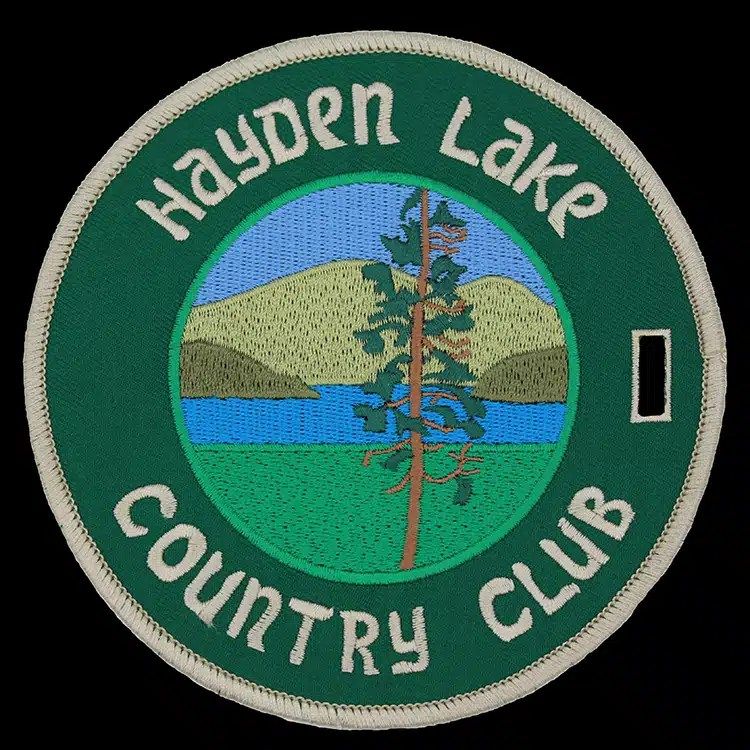
Collectors want each medallion to say exactly where it came from. Lead with the place: the park, trail or peak name in the largest lettering the space allows. Then add one strong image that belongs to that place, such as a peak profile, a waterfall, a lighthouse, a native animal or a trail blaze.
- Put the place name around the rim or across a banner, in a bold block font.
- Use one central image, not a scene with many small details.
- Add elevation, mileage or a year if it matters to the achievement.
- Leave clear space for the nail holes so they do not cut through text.
- Match the style across a series so collectors recognize your set.
A series design works especially well for trail associations and park systems: one layout, with the name and image changing for each site. Collectors are more likely to come back for the next one when the set looks consistent. If your organization also gives patches for the same achievement, our guide to scout and club patches covers planning awards in a series.
Pairing medallions with patches
Many hikers collect both: a medallion for the stick and a patch for the pack or jacket. Offering the same artwork in both formats is a simple way to serve both groups of collectors. An embroidered patch suits a bold trail logo, and a woven patch holds a finer map or peak outline. Our guide on patch placement on jackets helps if you are offering both to the same buyers.
For gift shops and visitor centers, think about how the medallions will be displayed. A medallion on a printed backing card with a hang hole sits neatly on a peg rack and gives you room for the site name, a short note on the collecting tradition and simple attachment instructions. For trail awards sent by mail, a small padded envelope keeps the curve and finish safe. If you plan a series, add the series name to each card so collectors see that there are more to find, and keep the same card layout across every site.
How to request a medallion quote
Hiking stick medallions are part of our other custom products and are quoted to order. On your request, include the size, shape, finish, colours, whether nails should be included, the quantity and your in-hands date. If it is a series, list each design and the quantity of each.
Send your artwork as an AI, EPS or PDF if you have one; a PNG, a sketch or a photo of an existing medallion is enough to start. A quote usually comes back within 2 to 3 business days, and nothing is made until you approve the proof in writing. Reorders skip setup, which matters for a gift shop item that sells through each season.