Custom keychains are made three main ways. PVC keychains are moulded from soft, flexible plastic, so they are bright, light and tough. Enamel keychains are struck or cast metal with colour filled in, so they feel solid and look like jewelry. Embroidered keychains are a small stitched piece, like a patch, on a ring. Choose PVC for bold colourful logos and heavy daily use, enamel for a premium gift, and embroidered when you want the look of your patches carried onto a fob.
All three can be cut to a custom shape and fitted with a split ring or another attachment. Below we compare them on look, durability, detail and use, then cover sizes, rings and how to request a quote.
PVC keychains
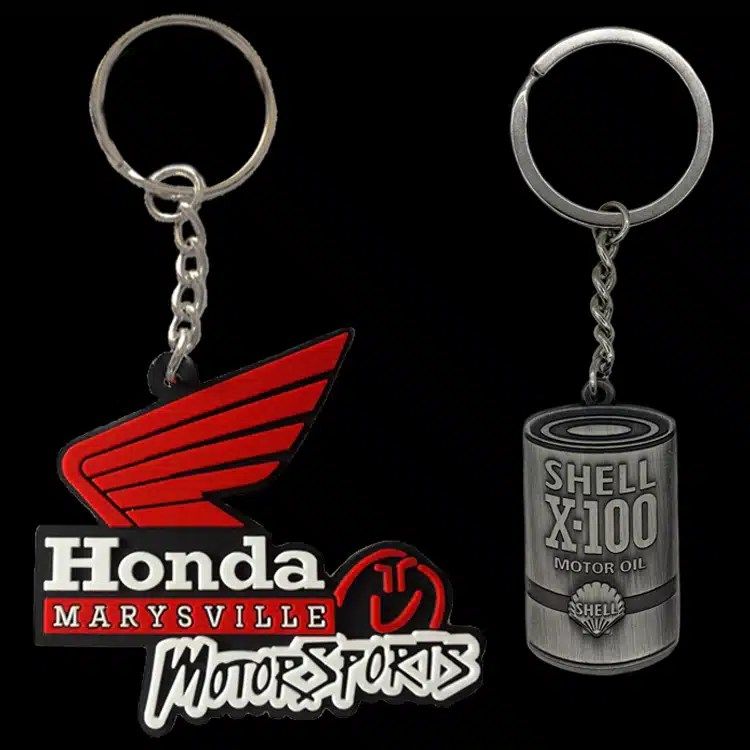
A PVC keychain is made by pouring soft PVC into a mould built from your artwork, one colour layer at a time. Raised walls separate the colours, so the finished piece has crisp, slightly raised outlines and flat colour fills. You can make it 2D, with flat levels, or with sculpted 3D areas for a character or a product shape.
PVC is light, waterproof and flexible, so it survives being dropped, sat on, bent in a pocket and left in a hot car. It suits car dealerships, gyms, schools, sports teams and any giveaway that will be used every day. Bright, solid colours are its strength. Fine gradients and photographs are not, since each colour is a separate fill.
Enamel and metal keychains
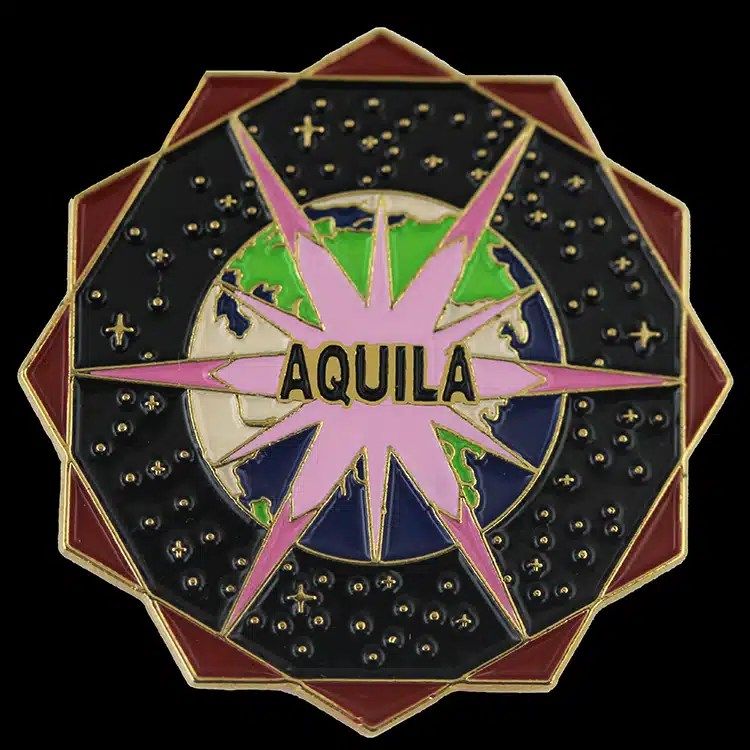
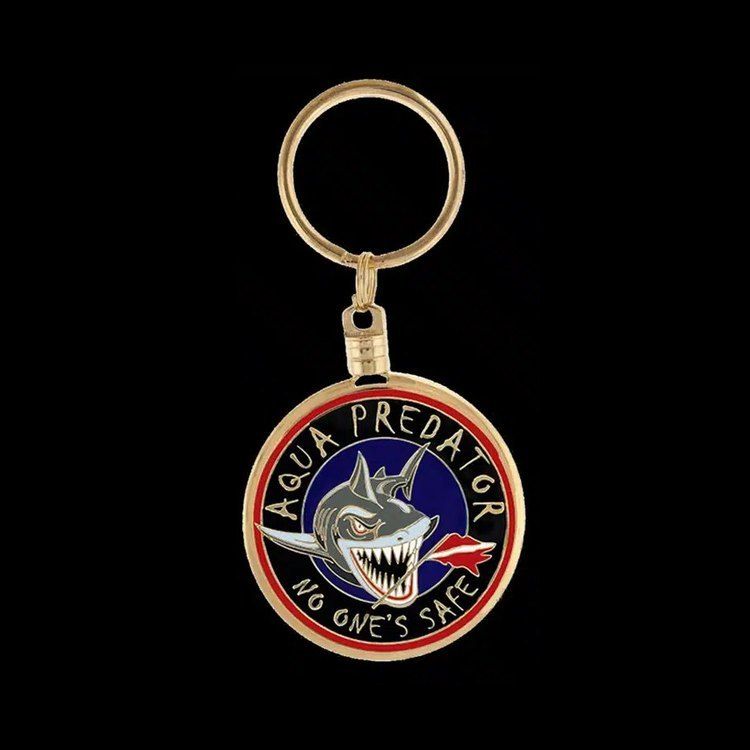
An enamel keychain is made the same way as an enamel lapel pin. The shape is die struck or die cast in metal, the recessed areas are filled with enamel colour, and the piece is plated in gold, silver, nickel, bronze or black. Soft enamel leaves the metal lines slightly raised above the colour, which gives a textured feel. Hard enamel is polished flat for a smooth, glossy surface. If you are weighing the two, our guide to soft vs hard enamel explains the difference in detail.
Metal keychains can also be made without colour at all, relying on the contrast between polished raised areas and a textured or antiqued background. That look suits anniversaries, award gifts and brands with a strong single colour mark. Metal pieces can have printing on both faces and can be cut out in the middle for an open design.
Enamel keychains feel substantial in the hand and look like a keepsake. They are a good choice for employee recognition, member gifts, event VIPs and retail merchandise sold at a higher price point than a giveaway.
Embroidered keychains
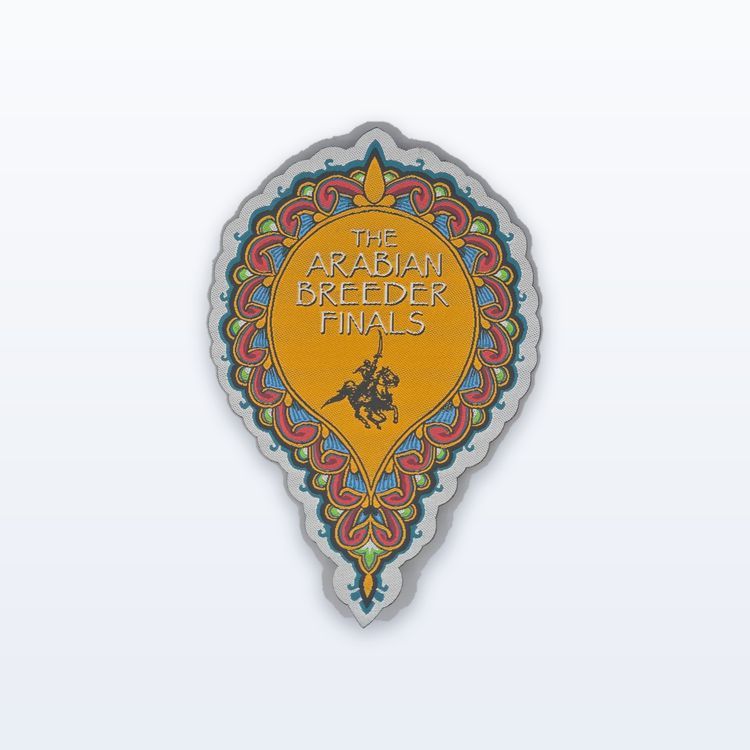
An embroidered keychain is a small patch, stitched on both faces or with a finished back, attached to a ring by a fabric tab or a metal grommet. It has the raised thread texture of an embroidered patch and carries the same design rules: bold shapes, short text and about 1/4 in (6 mm) letter height as a rule of thumb for readable lettering.
Embroidered fobs are soft, light and quiet in a pocket. They suit clubs, scouts, schools and brands that already have a patch design and want a matching piece. Because the stitch file is already built for the patch, reusing artwork you have stitched before is straightforward.
PVC vs enamel vs embroidered keychains
| Factor | PVC | Enamel metal | Embroidered |
|---|---|---|---|
| Feel | Soft, flexible, light | Solid, heavier, jewelry-like | Soft fabric, light |
| Look | Bright flat colours, raised outlines | Metal lines, enamel colour, plated finish | Raised thread texture |
| Durability | Waterproof, survives bending and drops | Hard wearing, plating can wear with heavy use | Good, can fray at edges over years |
| Fine detail | Good for solid shapes | Good for fine metal lines | Limited by stitch size |
| 3D option | Yes, sculpted areas | Cast metal can be sculpted | No, flat stitched piece |
| Best for | Giveaways, schools, teams, daily use | Gifts, awards, retail | Clubs, scouts, patch-based brands |
Size, shape and both faces
Most custom keychains land between about 1 1/2 in (38 mm) and 2 1/2 in (64 mm) on the longest side. Smaller pieces feel delicate and suit a simple mark. Larger ones give room for text but get bulky in a pocket. As a general guide, measure your car key or house key and aim for a fob roughly that long or a little longer.
Any of the three can be cut to a custom outline. Keep the shape solid enough to be strong, with no thin stems that could snap on PVC or bend on metal. Plan where the ring attaches: it needs a hole or loop placed in a sturdy part of the design, usually at the top center.
- Decide whether both faces carry artwork or the back stays plain.
- Keep text large; the same lettering limits that apply to pins and patches apply here.
- Choose the ring: a split ring is standard, and other fittings can be quoted.
- Think about the colour of the key ring and chain against your design.
Choosing by how the keychain will be used
Start with the person who will carry it. A student or a gym member wants something tough and bright, so PVC is the safe choice. An employee receiving a five year award wants something that feels like a gift, so enamel metal fits. A troop member or club rider wants it to match their patch, so embroidered makes sense.
Then think about the event. For a trade show where you hand out hundreds of keychains, PVC holds colour and survives being thrown into bags. For a dinner or a ceremony, a boxed enamel piece sits better alongside lapel pins and coins.
Packaging is worth a thought too. Keychains given out at a trade show are easiest to hand over loose or in a small bag, while gift and retail keychains look better on a backing card with your logo, or in a small box. If you sell them in a shop, a card with a hang hole lets them go straight onto a peg display. Tell us how the keychains will be handed out, and we can suggest packing that suits it on the quote.
Ordering custom keychains
Custom keychains are part of our other custom products. Send your artwork (AI, EPS or PDF is cleanest, a PNG or a photo of an existing piece is fine to start), the size, the material, the quantity and your in-hands date. Custom minimums start from 100 pieces and vary by product, confirmed on your quote.
Request a keychain quote and we will come back within 2 to 3 business days. A proof follows within about 1 to 3 business days of artwork, and production takes about 3 to 4 weeks after you approve it in writing. Reorders skip setup, so a keychain that becomes a staple is quick to run again.