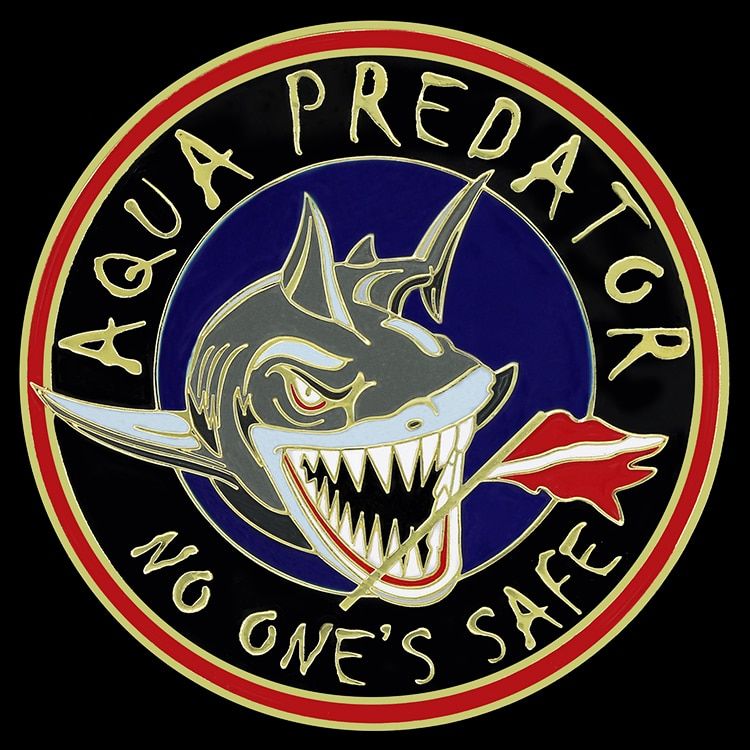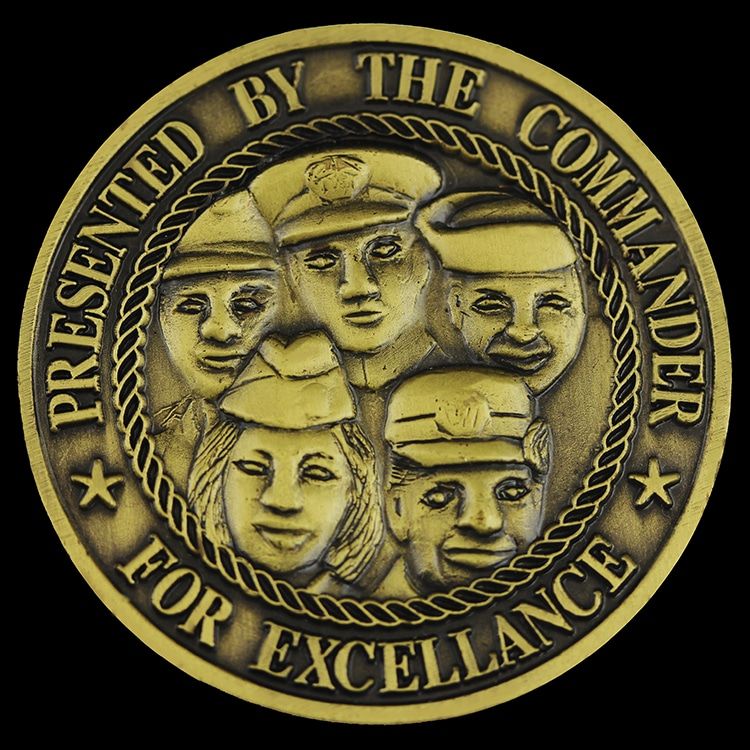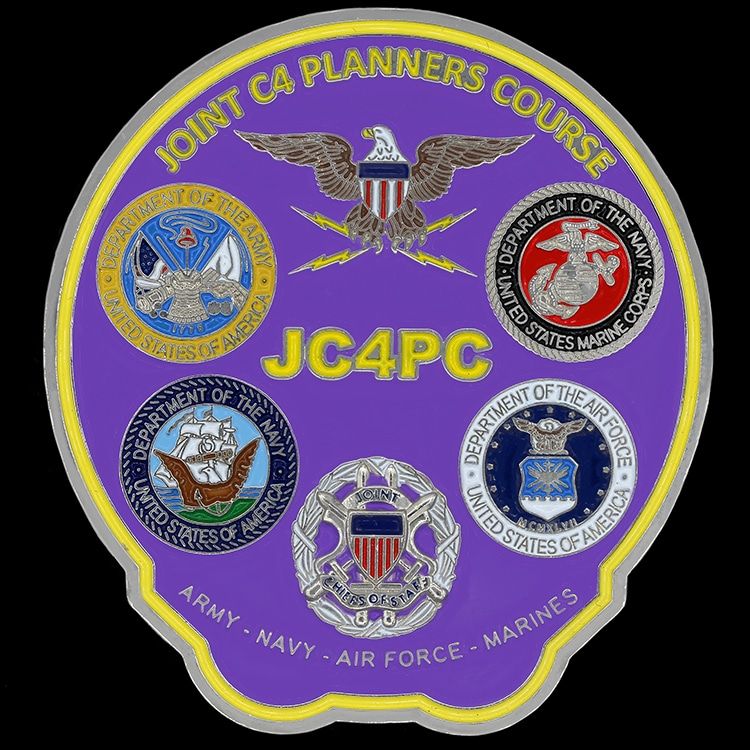
Corporate challenge coins are custom metal coins a company gives to employees to recognize specific achievements: a project delivered, a safety record, a value lived out, a milestone reached. They work because they are personal, handed over by a leader with a few specific words, and permanent, something people keep on a desk for years. The program matters more than the coin: decide what earns one, who presents it, and how often, before you design anything.
This guide is for HR, operations and leadership teams setting up a coin program. It covers where coins fit among other recognition, how to adapt a brand logo to metal, how to run the program, and what to send for a quote.
Why companies use challenge coins
Challenge coins come from military and public safety tradition, where a leader presents a coin in a handshake to recognize something specific. Our post on challenge coin rules and etiquette covers that background. Companies borrowed the idea because it fills a gap between a thank you email and a formal award.
- It is specific. A coin is given for something, not for everyone at once.
- It is visible. Coins end up on desks and shelves, where colleagues ask about them.
- It is fast. A manager with a few coins in a drawer can recognize good work the same week, without an approval process.
- It lasts. Unlike a gift card, the coin is still there years later.
When to give a corporate coin
Most programs pick one or two of these uses and keep them clear. Mixing too many purposes into one coin dilutes it.
| Use | Who presents | What the back can carry |
|---|---|---|
| Values recognition | Any manager or leader | The company values, one per line or around the rim |
| Project or launch completion | Project sponsor | Project name and date |
| Safety milestone | Site or operations leader | The milestone, such as days without a lost time incident |
| Leadership or top performer award | Senior leadership | Award name and year, with serial numbers |
| Company anniversary | Given to all staff | Founding year and anniversary year |
| Client or partner thanks | Account or executive team | A short line of thanks and the partnership year |
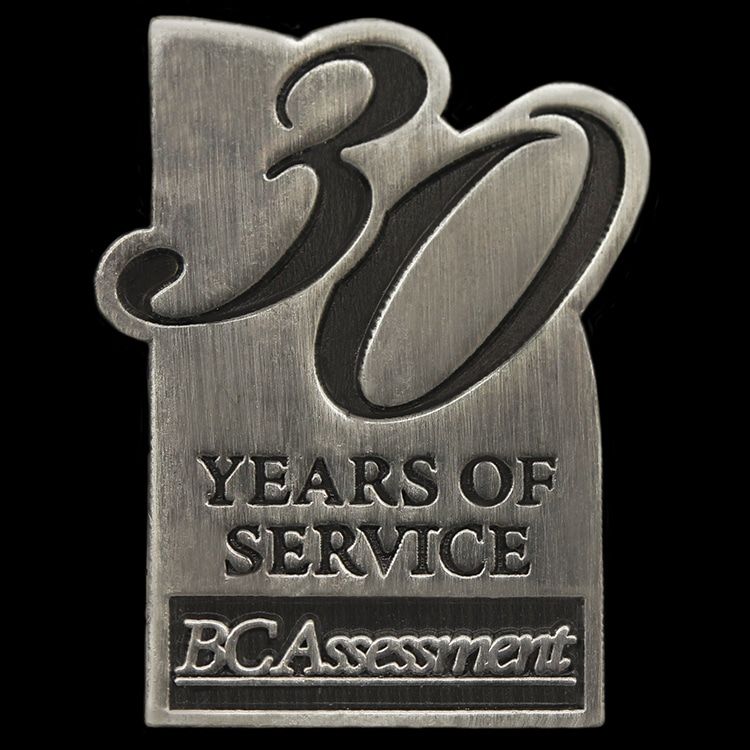
Anniversary coins are the one case where everyone receives a coin. For years-of-service recognition, many companies use pins instead, with a coin reserved for achievement. Our guide to service award pins explains how to run a milestone pin program alongside a coin.
Turning a brand logo into a coin
Brand logos are built for screens and print, so they usually need some adapting for metal. A few points come up on almost every corporate coin:
- Gradients and shadows: enamel is laid in solid colours, so a gradient logo is redrawn as flat colour areas. The proof shows the result.
- Brand colours: send Pantone references from your brand guide. Enamel is matched as closely as possible.
- Thin type: light weight fonts and small taglines can fill in when struck. Use a bolder weight for text on the coin.
- White space: large empty areas can be plated metal, a textured field, or enamel in a brand colour.
- Two faces: logo on the front, the reason for the coin on the back. The back is what makes it recognition rather than merchandise.
For a modern brand, polished gold or silver plating with brand colours in enamel and a smooth or diamond cut edge is a common direction. For a company with a long history, an antique finish and a rope edge feel more traditional. The guide to coin edges, plating and finishes compares those options, and the challenge coin design guide covers both faces in detail.
Running the program so the coin keeps its meaning
A coin program fails quietly when coins are handed out without explanation or kept in a drawer. A few simple rules help:
- Write the criteria down. One or two sentences on what earns a coin, shared with every manager who can give one.
- Present in person. A handshake and a sentence about what the person did, ideally in front of the team.
- Ration the coins. Give each leader a set number per quarter or year. Scarcity keeps the coin worth having.
- Record who received one. A simple log of names, dates and reasons helps with reorders and avoids repeats. Serial numbered coins make this easy.
- Tell the story. A short note in a team update about why someone received a coin spreads the recognition further.
Some companies also adopt the coin check for fun at team events. If you do, set stakes that do not involve pressure to drink, such as buying the coffee.
Pairing coins with other recognition items
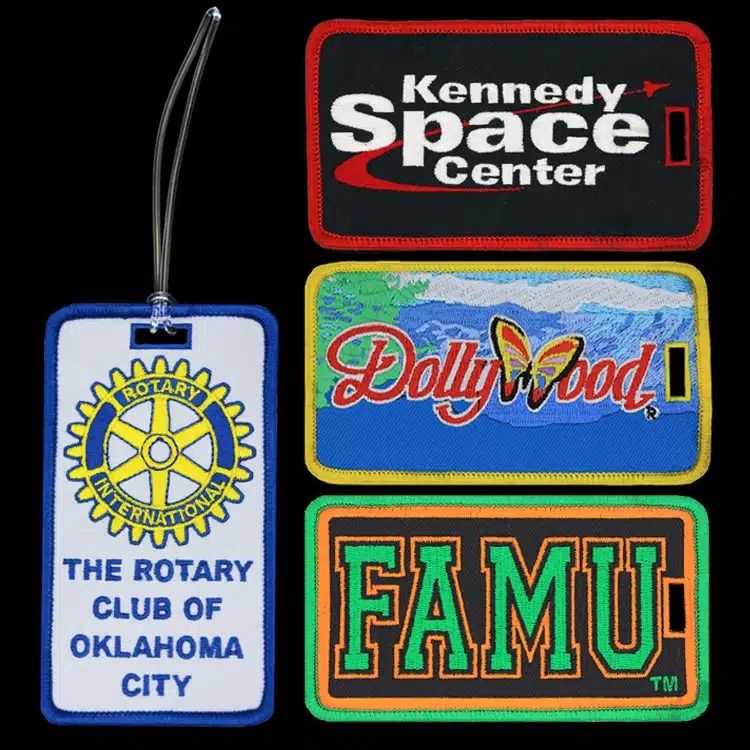
Coins often sit inside a wider recognition kit made from the same artwork. Lapel pins mark service years and are worn daily, which coins are not. Cuff links and tie bars suit executive gifts. Embroidered patches carry the same emblem onto uniforms and jackets for field teams. You can see the full range on our more custom products page.

Quantities, reorders and timing
Custom coin runs start from 100 pieces, confirmed on your quote. For a recognition program, that is usually a year or more of coins, depending on headcount and how many each leader can give. For an anniversary coin given to everyone, order your headcount plus spares for new starters and replacements.
Plan back from the date you need coins in hand. The quote comes back in 2 to 3 business days, the proof usually 1 to 3 business days after artwork, and production typically runs about 3 to 4 weeks after you approve the proof in writing, plus UPS shipping from Holly Hill, Florida. Rush is sometimes possible, around 10 business days when the factory can hold it, but do not plan a launch event around it. Reorders skip setup, so a second run for the program is simpler than the first.
What to send for a corporate coin quote
- Your logo as AI, EPS or PDF, plus your brand colour references.
- Text for the back, or a description of what the coin recognizes.
- Size, die struck or die cast, plating, finish and edge preference.
- Quantity, with one or two comparison quantities.
- Serial numbering and presentation packaging, if wanted.
- Your in-hands date and the event or launch it is for.
Read more on our custom challenge coins page, then send the details for a quote. Every coin is quoted from the factory price, with no published price list, and nothing runs until you approve the proof.