The edge, the plating and the finish are the three choices that decide how a challenge coin looks and feels once the design is set. The common challenge coin edges are smooth, rope, reeded and diamond cut. Plating sets the metal colour, usually gold, silver, nickel or copper tones. The finish, antique or polished, decides whether raised detail stands out through contrast or shines. As a rule of thumb, an antique finish with a rope edge suits seals and traditional designs, and polished plating with a smooth or diamond cut edge suits bright, enamel heavy coins.
This guide walks through each option, what it does to your artwork, and which combinations work well together. Plating, enamel colour and edge treatment are confirmed with you at the proof stage, once we have seen the artwork.
Challenge coin edge styles
The edge is the first thing a thumb finds when someone turns a coin over. It also frames both faces, so it changes how finished the coin looks even from the front.
| Edge | What it looks like | Works well with |
|---|---|---|
| Smooth | A plain, rounded or flat rim with no texture | Modern designs, bold enamel, coins with text around the rim |
| Rope | A twisted rope pattern around the rim | Military, naval and traditional designs, antique finishes |
| Reeded | Fine vertical ridges like a minted coin | Coins that should feel like currency, formal seals |
| Diamond cut | Angled facets cut into the rim that catch light | Polished coins, anniversary and presentation pieces |
| Edge lettering | Text running around the edge itself | Mottos, dates or serial lines on thicker coins |
A rope or reeded edge adds texture and grip, which helps a coin that is handled often. A diamond cut edge is mostly about shine: the cuts expose bright metal that flashes as the coin turns. Edge lettering needs enough thickness to fit, so ask about it on the quote and we confirm whether it suits your construction.
A raised rim on the face is a separate choice from the edge. Most coins have a slightly raised border around each face that protects the design when the coin is set down, and a decorative edge can be combined with it.
Plating: the metal colour
Plating is the thin layer of metal over the coin's base metal that gives it its colour. The common choices are:
- Gold tone: warm and formal, the traditional choice for command, anniversary and award coins.
- Silver tone: bright and cool, reads crisply against dark enamel.
- Nickel: a cooler, harder looking silver tone that suits modern designs.
- Copper and bronze tones: warm and aged, popular for heritage and memorial coins.
Some designs use two platings on one coin, for example a gold emblem on a silver field, or a different plating on each face. That adds steps, so mention it on the quote if you want it. If your organization already has coins, send a photo of an older one so the plating can be matched.
Antique vs polished finishes
The finish decides how the plated metal catches light.
Antique
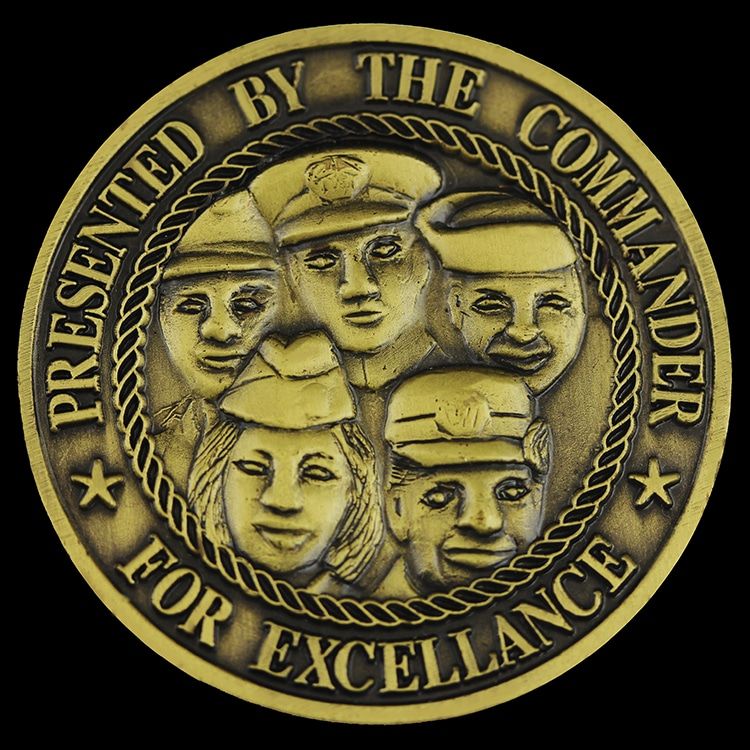
An antique finish darkens the recessed areas of the coin while the raised surfaces are buffed bright. The contrast makes relief, lettering and fine line work stand out, even on a coin with no enamel at all. It suits seals, sculpted 3D designs, rope edges and anything meant to look traditional or aged. Antique gold, antique silver, antique bronze and antique copper are all common descriptions.
Polished
A polished finish leaves the whole surface bright and reflective. It looks clean and sharp, and it works best with enamel, because the colour supplies the contrast that the darkened recesses would otherwise provide. Without enamel, a polished coin can look flat in some lighting, since raised and recessed metal reflect almost the same way.
Other textures
Sandblasted or matte textures are sometimes used on the recessed field, so the polished raised detail stands out against a frosted background. Ask on the quote if you want a texture like this, and we confirm what the factory can do for your construction.
Enamel and colour on the face
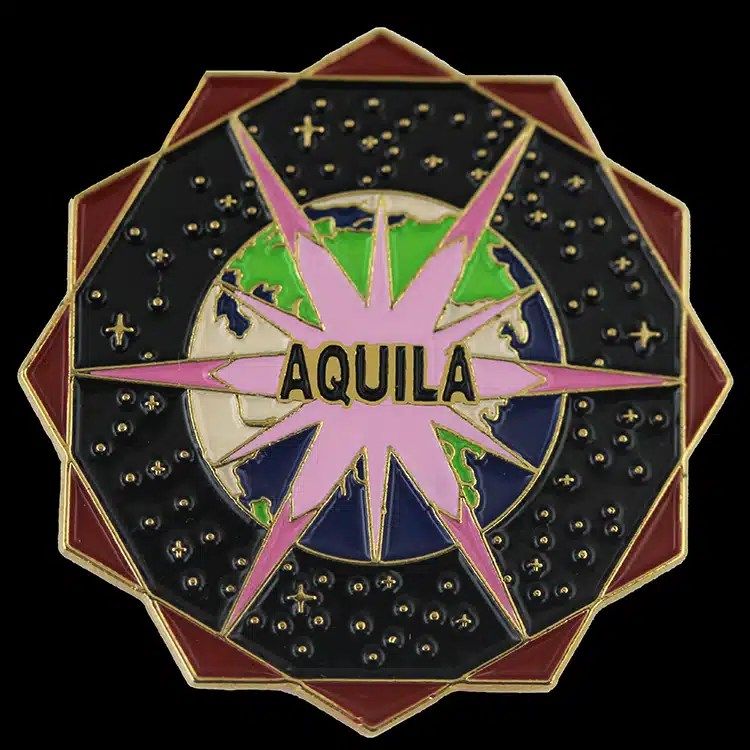
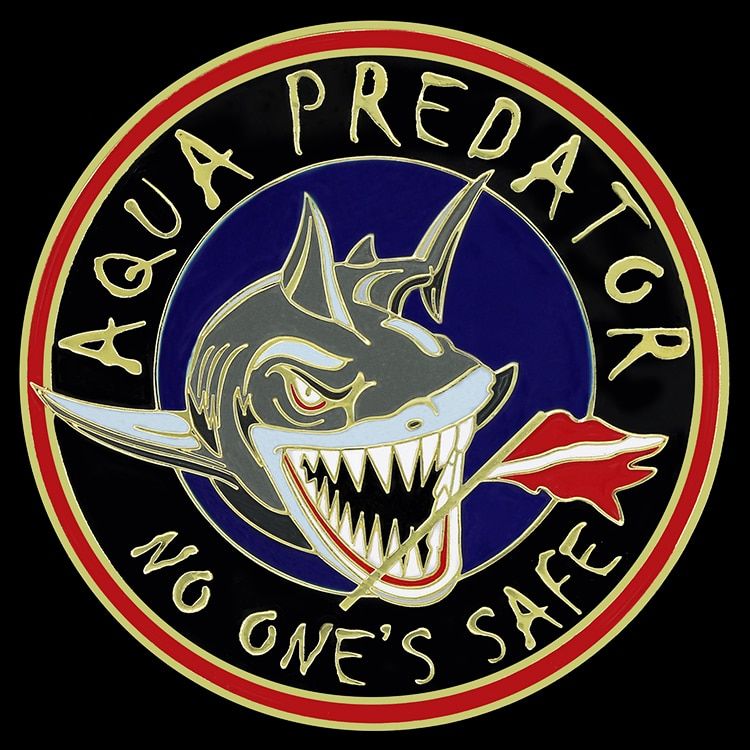
Enamel fills the recessed areas between raised metal lines. Each colour sits in its own cell, and colours are counted per face. Soft enamel sits slightly below the metal lines, so you feel the edges of each area. Hard enamel is filled and polished flush with the metal for a smooth surface. A clear epoxy dome can be added over soft enamel for a smooth, glossy top. The enamel trade-off is explained in our soft vs hard enamel post, which applies to coins as much as pins.
Enamel colours are matched as closely as possible to your references, so send Pantone numbers if your organization has them. Fewer colours give a bolder coin, and details that do not need colour can be left as plain plated metal.
Combinations that work
These pairings are a reliable starting point for common coin types:
- Military or unit coin: antique gold or antique silver, rope edge, a few enamel colours on the crest.
- Police or fire department seal: antique finish to bring out fine lettering, reeded or rope edge.
- Corporate recognition coin: polished gold or silver, smooth or diamond cut edge, brand colours in enamel.
- Memorial or heritage coin: antique bronze or copper, no or minimal enamel, rope edge.
- Anniversary or presentation coin: polished plating, diamond cut edge, a larger size.
Size changes how much these details show. A rope edge on a small coin reads as texture, while on a 2.5 in (64 mm) coin it becomes a visible frame. Our challenge coin size guide helps you pick the diameter first.
How to specify it on your quote
You do not need to know the technical names to order. Describe the look you want and send a reference photo if you have one. On the quote form, list:
- Edge style: smooth, rope, reeded, diamond cut, or not sure yet.
- Plating colour, and whether you want one plating or two.
- Finish: antique or polished, on each face if they differ.
- Enamel colours per face, with Pantone references.
- Construction, die struck or die cast, plus size, quantity and in-hands date.
The custom challenge coins page explains both constructions, and the coin design guide covers planning both faces. When you are ready, send your artwork and details. We quote from the factory price within 2 to 3 business days, and the proof shows edge, plating and finish for your written approval before production starts.