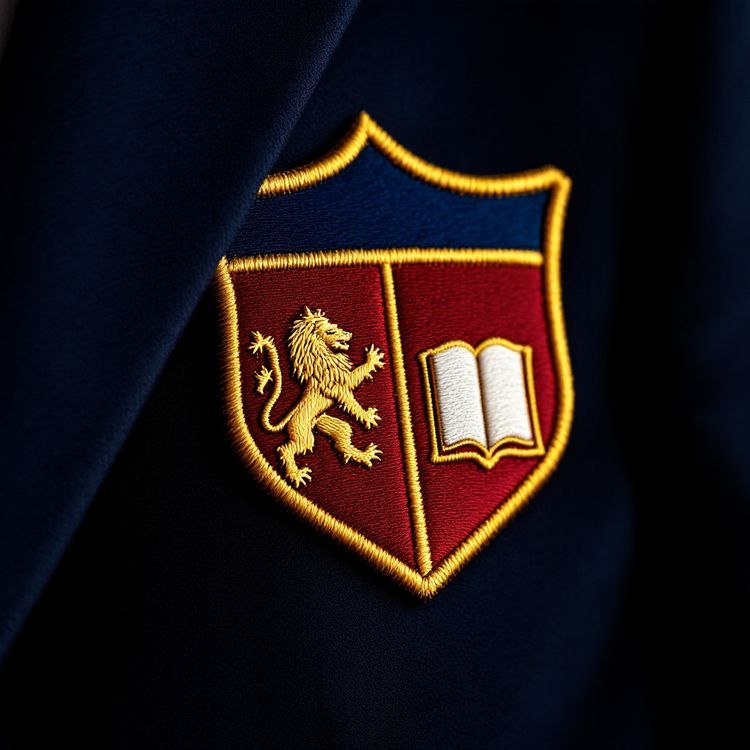
Most soccer patches are club crests worn on the left chest of the jersey, about 2.5 to 3.5 in (64 to 89 mm) tall, plus larger versions for jackets and bags and one-off patches for tournaments. Because soccer crests often have a shield, a founding year and a club name in small type, a woven patch is frequently the better choice: it holds fine detail and sits flat on a light jersey. Embroidered badges suit bolder crests and heavier garments such as training jackets and bags.
Here is how to choose the construction, pick sizes, deal with crest detail, and plan a club-wide order across age groups.
Woven or embroidered: picking the construction
A woven badge is made on a loom from fine polyester thread, the same way a clothing label is made, so the design is part of the fabric. It is thin, flexible and holds small lettering and hairline borders. That makes it a natural fit for a soccer crest on a lightweight jersey, where a thick stitched badge can pucker or feel stiff against the chest.
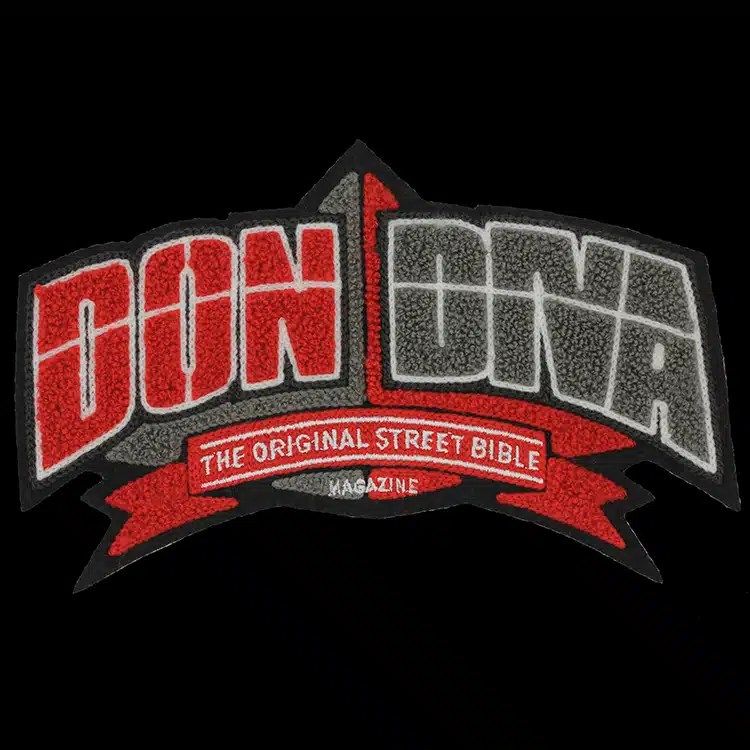
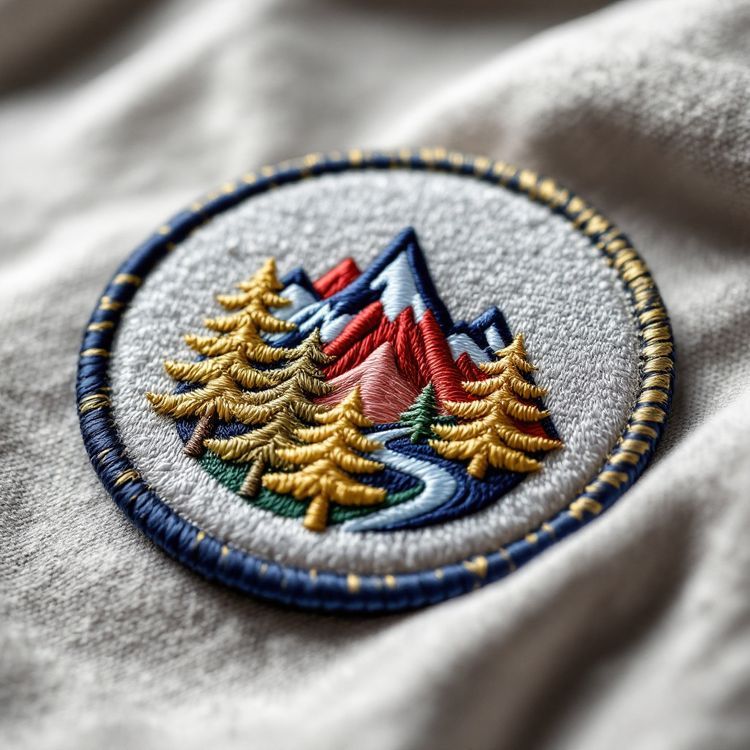
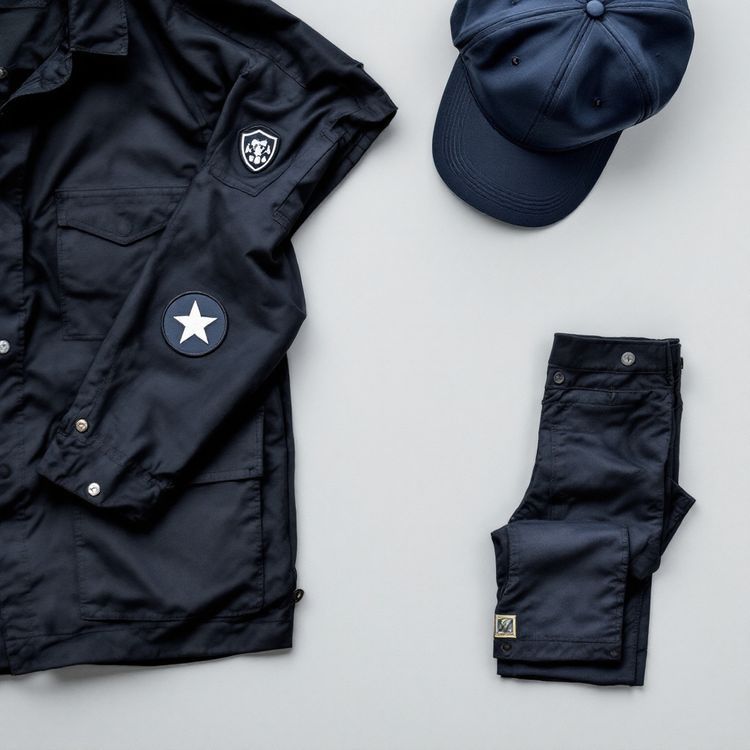
An embroidered badge is thread stitched over a twill base. It has raised texture and a classic look, and it is tougher against abrasion. It suits training jackets, coaches' quarter zips, backpacks and caps, as long as the crest is bold enough to stitch at the size you need.
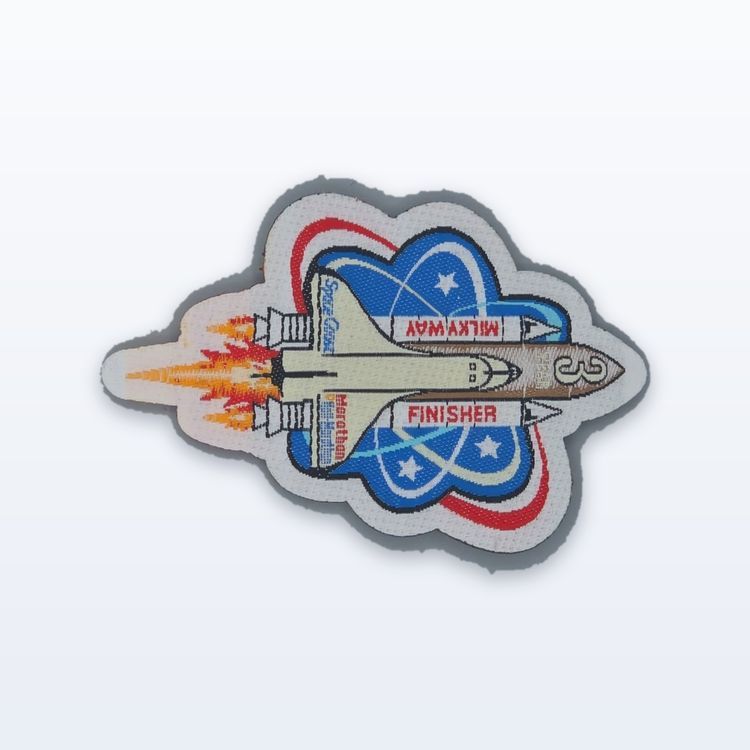
If the crest uses a photo, a gradient or shading, consider a sublimated patch, which is dye printed in full colour. Our comparison of embroidered vs woven patches covers the trade-offs in detail.
Getting a busy crest to read at jersey size
Many club crests were designed for a website or a banner, not a 3 in badge. Before you quote, look at the smallest element at the finished size:
- The founding year and club initials: as a rule of thumb, embroidered letters need about 1/4 in (6 mm) cap height to read. Woven can go noticeably smaller.
- Thin outlines and stripes: lines under about 1 mm do not stitch cleanly in embroidery.
- Small balls, stars and laurels: tiny shapes close together tend to merge in embroidery.
- Colour count: most crests work in four to eight thread colours. Gradients need redrawing as solid colours or a printed patch.
If the crest is too detailed for embroidery at 3 in, you have three options: switch to woven, enlarge the badge, or simplify the crest for small uses and keep the full version for jackets and banners. Many professional clubs keep a simplified crest for exactly this reason. Our team can suggest which parts of the crest to simplify when we quote.
Sizes and placement
| Placement | Typical size | Suggested construction |
|---|---|---|
| Jersey left chest | About 2.5 to 3.5 in tall | Woven, or embroidered for bold crests |
| Training jacket or quarter zip | About 3 to 3.5 in tall | Embroidered or woven |
| Sleeve (league or sponsor badge) | About 2.5 to 3 in | Woven or embroidered |
| Backpack or ball bag | About 3.5 to 4 in | Embroidered |
| Cap front | About 2 to 2.5 in tall | Embroidered or woven |
| Tournament or keepsake patch | About 3 to 3.5 in | Embroidered or woven |
For youth jerseys, scale down slightly. A 2.5 in crest on a youth small looks about as big as a 3.25 in crest on an adult large. Some clubs order one badge size for under-10 teams and another for older ages. Our patch size guide shows how to measure.
Edges and backing for soccer kit
Traditional shield crests take a merrowed border well, the wrapped stitch around the edge. Crests with points, cut-outs or an unusual outline usually get a heat cut edge, which is sealed close to the shape. Heat cut also lies flatter, which helps on a jersey.
Jerseys are generally lightweight polyester, so sewing is the dependable way to attach a badge. Iron-on adhesive bonds best to cotton and blends, and too much heat can mark synthetic fabric. If your kit supplier presses or stitches badges for you, ask what they need. Many prefer a sew-on badge with no adhesive. For bags and cotton warmups, iron-on (heat seal) works and can be stitched afterward. Our guide to patch backings explains each one.
Sponsor and league badges
Some leagues require a league badge on the sleeve, and many clubs carry a sponsor mark. Treat these as separate patches with their own size and quantity. Ask the league for its official artwork and any size rule, and ask the sponsor for a vector logo and approval of the proof, since sponsors are often particular about colour. If a sponsor changes from season to season, a sleeve patch is easier to replace than a printed jersey.
Printed crests on sublimated kits
Many modern kits print the crest directly into the jersey fabric. If yours does, a badge is still useful for jackets, bags, fan wear and coaches' gear, so the crest stays the same on everything the club wears.
Tournament, camp and season patches
Tournament hosts and camps often give every player a patch with the event name, the year and the venue. Players add them to bags or keep them in a collection, so a tournament patch is easy to mail and easy to keep. Keep the design bold and readable at 3 in (76 mm), and change only the year line each season so reorders skip setup.
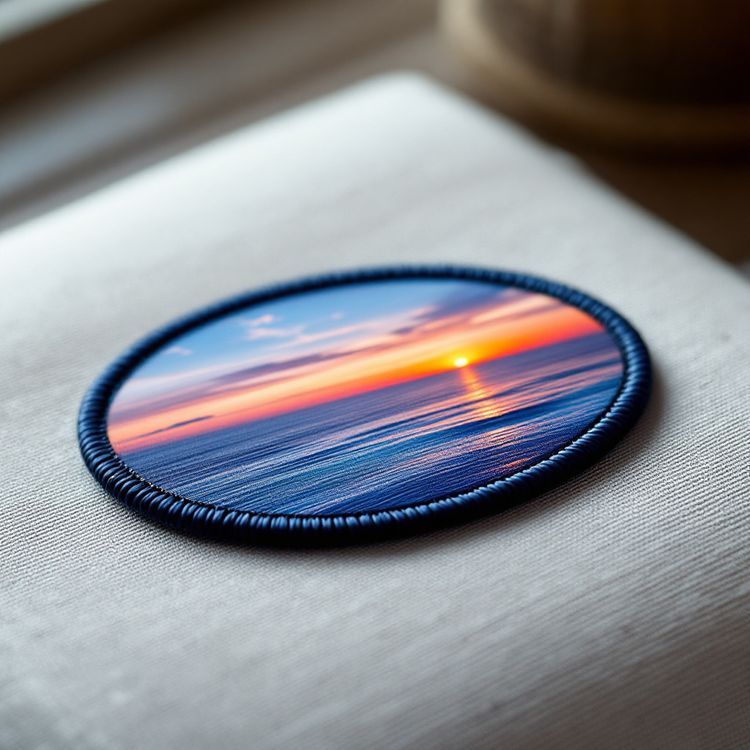
If a tournament design relies on a photo or a sunset gradient, a sublimated patch, dye printed in full colour, reproduces it. Clubs also order end-of-season patches by division, or patches for state cup and league champions. Pair them with medals if you want an award that hangs.
Ordering for a club with many age groups
Club orders are easiest when one person collects every need first: jersey badges per age group, coach jackets, bags, caps and any tournament patch. Custom minimums start from 100 pieces and vary by product, which most clubs reach by combining teams. A quote usually comes back in 2 to 3 business days, the proof about 1 to 3 business days after artwork, and production about 3 to 4 weeks after your written approval, all confirmed on your quote.
Before the season starts, request a quote with your crest file, sizes and quantities. You can preview the crest as woven or embroidered in the free Patch Studio first.