Custom race medals are made to your own artwork: struck or cast in metal, plated, filled with enamel where the design needs colour, and hung from a ribbon printed or woven to match. Whether it is a 5K finish line or a weekend tournament, the event date will not move, so the whole order is planned backward from race day.
This guide is for race directors, league and tournament organisers, schools and clubs. It covers what goes into a medal, how finisher and placement medals differ, how to design one, how many to order and how to keep the date safe.
What goes into a custom race medal
Every medal job comes down to the same set of choices.
- Construction: die struck or die cast, set from your own artwork.
- Size and shape: the diameter for a round medal, or the outline for a custom shape.
- Plating: gold, silver, antique bronze, antique brass or nickel, confirmed at the proof stage.
- Colour: enamel fill in your design's colours, or a plain struck or cast finish with no fill.
- Ribbon: colour, width and any printed or woven text on the ribbon itself.
- Attachment: a neck ribbon, or a drape ribbon on a pin bar.
Die struck or die cast
As a general rule, die struck medals are stamped from a flat metal blank, which gives crisp, shallow relief and clean lines. Die cast medals are formed from molten metal poured into a mold, which allows deeper relief, cut outs and more complex shapes. A medal shaped like a basketball hoop or a running shoe is usually a die cast job. Our challenge coin design guide covers the same choice for coins.
Finisher medals and tournament medals are planned differently
Race finisher medals
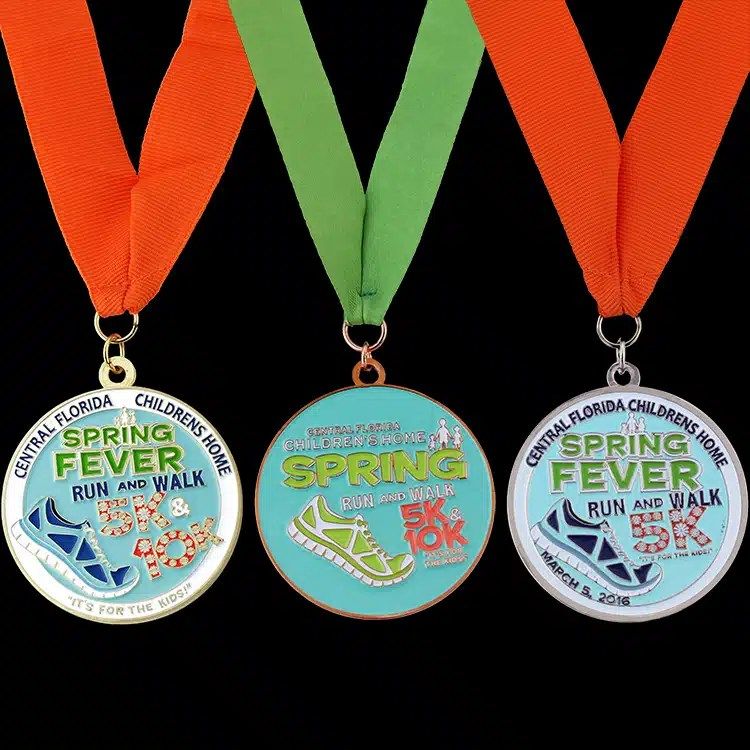
At a race, everyone who crosses the line usually gets the same medal. One design, one size and one ribbon, ordered against registrations. A full colour enamel medal on a printed ribbon in the event colours is the familiar finish line style. Many races add a smaller medal in the same finish for a youth or kids division.

Tournament and placement medals
A tournament usually needs first, second and third place medals, often for several divisions or age groups. Gold, silver and antique bronze plating is the familiar way to show the places. One design in three platings keeps the program consistent, and the quantity is counted per place, per division. Medals are priced per design, so the mold and the run are priced together. Ask for every plating and quantity on one quote so you can see the whole program at once.
| Event | Typical medal | Ribbon | How to count |
|---|---|---|---|
| 5K, 10K and fun runs | Full colour finisher medal | Printed in the event colours | Registrations plus spares |
| Youth races and kids divisions | Smaller finisher medal in the same finish | Printed, often in a different colour | Youth registrations plus spares |
| Tournaments and championships | Placement medals in gold, silver and antique bronze | Team or event colours | Per place, per division, plus spares for ties |
| Recognition awards | Citation medal | Neck ribbon or drape ribbon on a pin bar | Per award |
Designing a race medal that people keep
A medal is photographed at the finish line and then hung on a wall, so it has to read well at arm's length and in a phone photo.
- Make the event name and year the hero. They are what people look for later.
- Use the shape. A custom outline, such as a hoop, a wave, a state or a landmark, makes a medal stand out more than a plain round.
- Keep the colours clear. Enamel colours sit in their own areas, separated by metal lines, so bold shapes work better than fine detail.
- Put text on the ribbon. The ribbon can carry the event name, a sponsor or the year, which keeps the medal face uncluttered.
- Think about weight and size. A medal for young children works better smaller than the adult version.

Neck ribbon or drape ribbon
The ribbon deserves the same care as the medal. A neck ribbon is the usual choice for finisher and placement medals, put over the head at the finish line or on the podium. A drape ribbon on a pin bar pins to a jacket or a uniform, which suits formal recognition awards. Ribbon colour, width and any printed or woven text are matched to your artwork and set when you approve the proof.
Vector artwork, AI, EPS or PDF, gives the cleanest die and the truest enamel colours. If all you have is a photo of an existing medal or award, send that and we will work from it.
How many custom race medals to order
Custom medal runs typically need from 100 pieces, confirmed on your quote. Above that, count carefully, because running short at the finish line is the one mistake everyone notices.
- Start from registrations, not last year's finishers.
- Add late and day-of entries.
- Add volunteers, pacers or officials if they receive one.
- For tournaments, count every division and every place, and allow for ties.
- Keep a few for damaged medals, mailing to remote finishers and your own records.
Working back from race day
Medals usually have to be on site for a race, a ceremony or a final, so tell us that date first. The schedule is built backward from it.
- Quote: within two or three days once we have the size, quantity, colours, ribbon and artwork.
- Proof: plating, enamel colour and the ribbon's colour and text are set when you approve it.
- Production: about 3 to 4 weeks after proof approval, confirmed on your quote.
- Shipping by UPS from Holly Hill, Florida.
- Time to sort medals by division and place, plus a buffer before the event.
Rush service may be available, so ask when you request your quote. The how it works page sets out each stage of the process.
Race day extras from the same order
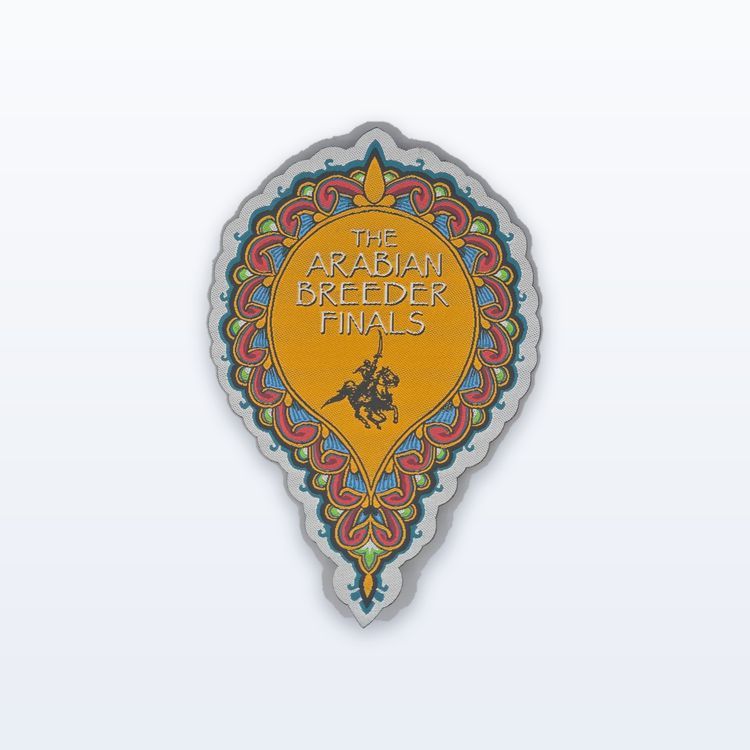
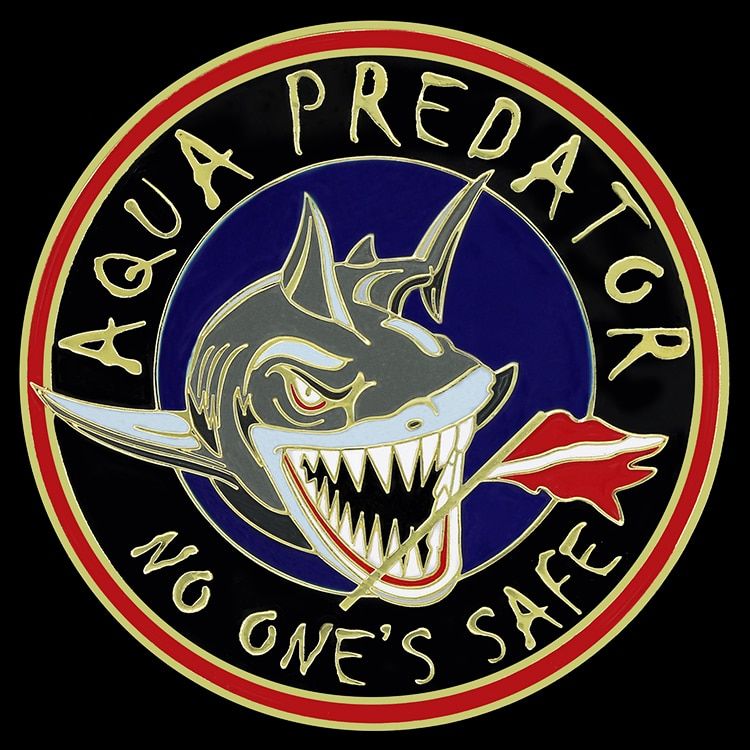
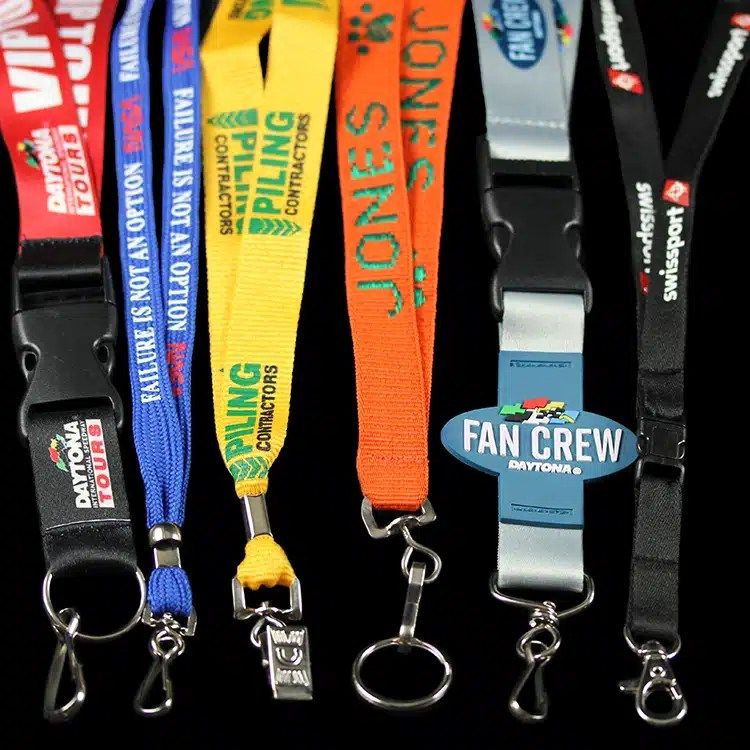
A race or a tournament often needs more than medals. Custom lanyards carry race day check-in and staff badges, lapel pins work for volunteers and sponsors, and patches make a souvenir that goes on a bag or a jacket. Our guide to custom event patches covers planning those. Each item is made to your artwork and quoted from the factory price.
Get a quote for your race medals
See finished examples on our medals and awards page, then request a quote with the medal size, quantity, colours, ribbon and the date the medals need to be on site. You will have a quote from the factory price within two or three days, and nothing runs until you approve the proof.