
One note on terms. "Denim label" can mean a jeans brand or the physical brand tag sewn onto a garment. This guide ranks brands, and explains the tag terminology along the way.
There's no single winner here. Each pick matches a different priority: everyday versatility, rugged wear, repairability, raw denim, or domestic manufacturing.
Key Takeaways
- The best label depends on fit, fabric, construction, use, price, and aftercare.
- Levi's and Wrangler are accessible heritage picks; specialists offer distinctive fabric and production.
- Raw and selvedge denim aren't automatically better for every buyer.
- Check current specs, country of manufacture, and pricing before you buy.
Overview of Denim Labels in the US Market
Brand vs. Physical Label
A denim label is the brand behind a pair of jeans. The physical tag is something else, and several types exist:
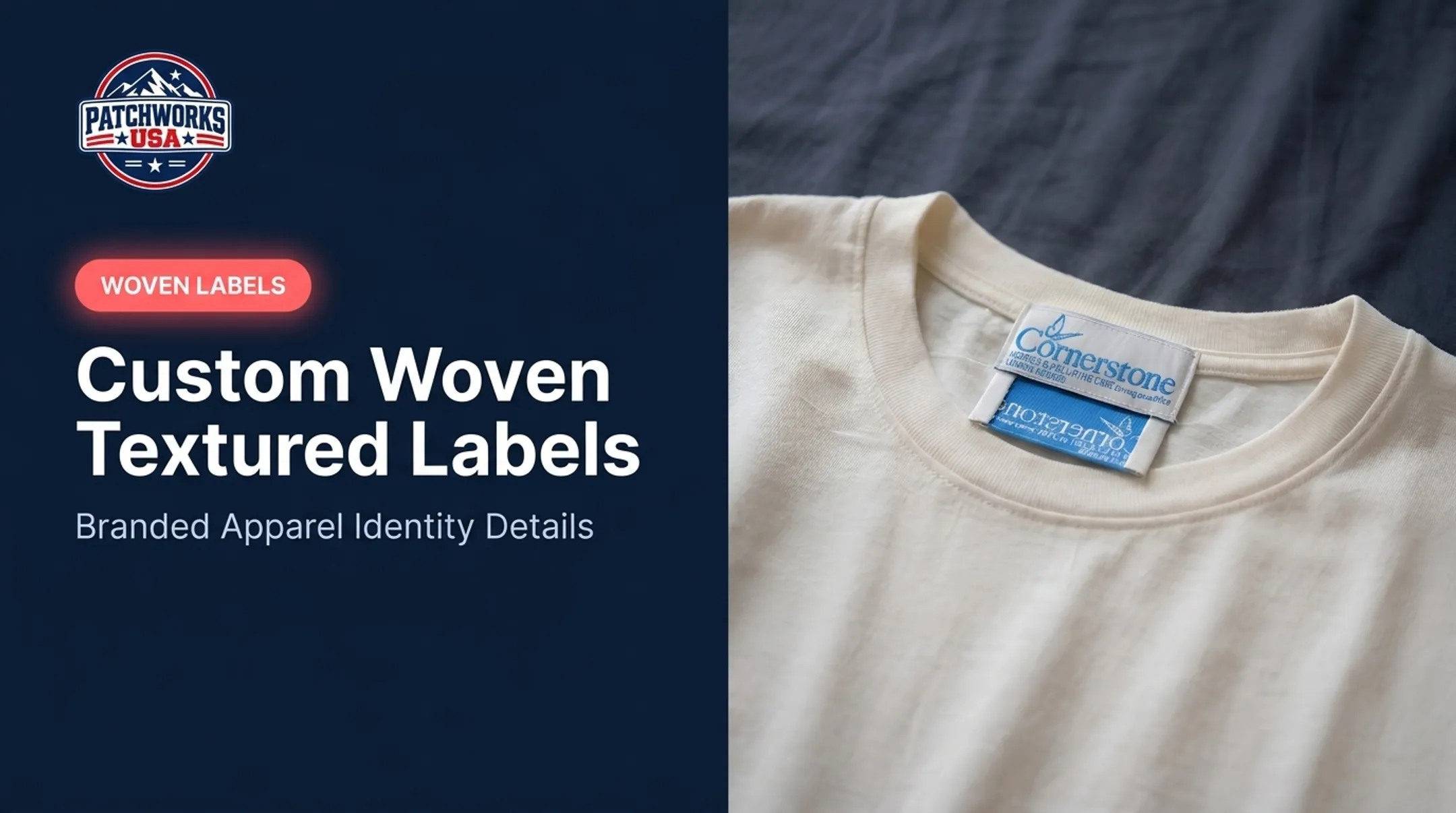
- Woven label: a fabric brand label, sewn in or heat sealed inside a seam
- Leather or waistband patch: Levi's describes its leather rectangle above the back-right pocket; material varies by product, so "patch" doesn't guarantee leather
- Brand tab: a small cloth tab, such as Levi's Red Tab
- Back-pocket stitching: decorative branding, like Levi's Arcuate stitch
- Care and content label: legally required fiber content, origin, and care instructions, per the FTC labeling guidance

Market Segments
US shoppers typically meet five groups:
- Mass-market heritage brands
- Contemporary and premium fashion labels
- Raw and selvedge specialists
- Sustainability-focused brands
- Small-batch US makers
The five picks below cover different strengths. None suits every body, wardrobe, or budget.
Best Denim Labels for the US Market
Each pick is judged on recognizable identity, current relevance, fit and fabric range, construction, transparency, US availability, and a clear reason to buy.
Levi's
Levi Strauss opened a San Francisco dry-goods business in 1853. The riveted-pants patent with Jacob Davis followed in 1873. That history, plus the broadest availability of any label here, makes Levi's a practical starting point.
Best-known fits:
- 501: straight leg, the original
- 505: regular straight
- 511: slim
- 512: slim tapered
- 514: straight with more room
- 550 and 559: extra seat and thigh room
Mainstream jeans sit well below the premium tier. A 511 Light Wash listed at $40.98 on sale ($74.95 original).
Levi's Vintage Clothing reproduces historical fits and fabrics, with 501 selvedge listings at $295 to $325. Blue Tab is a newer premium line announced for 2025. Made & Crafted stock can be thin, so verify current jeans listings before relying on that line.
| Snapshot | Details |
|---|---|
| Best for | Broad availability, familiar fits |
| Price | About $41 to $75 mainstream; $295+ for LVC |
| Fit range | Slim to loose, many washes |
| Origin | Varies by style; one 511 is labeled Imported, one 501 says Made in Egypt |
Check each pair's tag. Origin is a style-level fact, not a brand-wide one.
Wrangler
Wrangler introduced Rodeo Ben's western jeans in 1947, including the 13MWZ wear-tested by rodeo cowboys. Today it covers western, workwear, and everyday denim.
Examples from wrangler.com:
- Five Star Comfort Stretch Relaxed: $22.99, the value tier
- 13MWZ Cowboy Cut Original: $49.95, high rise, boot-friendly leg, 14.5 oz, 100% cotton, no stretch
- Retro Slim Straight Selvedge Stretch: $99.99, low rise, 10.9 oz, 99% cotton/1% elastane
Heritage alone doesn't prove quality. Rise, leg opening, fabric weight, and stretch decide how a pair wears. The 13MWZ suits boots and rigid-denim fans. The stretch pairs suit comfort seekers.
| Snapshot | Details |
|---|---|
| Best for | Durability, comfort, boot-compatible fits |
| Price | About $23 to $100 in examples |
| Care | Rigid pairs soften with wear; stretch pairs are easier at first |
| Origin | Check the product tag; site pages often omit it |
Parent company Kontoor reports about 77% of units come from contractors in 28 countries, and 23% from owned Mexican facilities. Those are group figures, not Wrangler-specific.
Nudie Jeans
Nudie's pitch is longevity. According to its 2025 sustainability report, all virgin cotton used is certified organic, and the brand logged 66,567 repairs that year.
Repair terms matter:
- Free repairs cover Nudie jeans, including secondhand pairs, with no receipt
- Jeans must be freshly washed
- The US help page lists no send-in repair option, so you visit a Repair Shop
- A trade-in gets 20% off a full-priced denim item
Fits run from Tight Terry (tight, low waist) to Tuff Tony (loose, high waist). Lean Dean Dry 16 Dips is $195; Lean Dean Dry Ohm Selvage, made with 13.8 oz Candiani Mills denim, is $260.
| Snapshot | Details |
|---|---|
| Best for | Long-term wear and repairability |
| Fits | Slim tapered to wide |
| Finish | Dry (raw) and washed |
| Limitation | Repair requires access to a Repair Shop; dry denim needs patience |
Repair activity shows commitment to aftercare. It isn't a durability guarantee.
Naked & Famous Denim
Founded in Montreal in 2008, Naked & Famous focuses on Japanese denim and inventive fabrics. Mainline jeans are cut and sewn in Canada, though a separate Made in Japan collection exists.
Its FoxFibre Green Weft Selvedge shows the approach: 13 oz Japanese selvedge, 100% organic cotton, naturally green weft, rope-dyed indigo warp. It lists at $260. More standard options include True Guy 11oz Stretch Selvedge at $153.
Trade-offs of heavyweight or experimental fabric:
- Stiffness and longer break-in
- Fit changes as the denim relaxes
- Indigo transfer when new
- Garment measurements matter more than tagged size
Fits include Super Guy (slim), Weird Guy (tapered), Easy Guy, True Guy (relaxed straight), Strong Guy (wide), and Groovy Guy (bootcut).
| Snapshot | Details |
|---|---|
| Best for | Raw and selvedge enthusiasts |
| Price | About $153 to $260 in examples |
| Beginner-friendly | Stretch options are gentler |
| Production | Japanese fabric, mostly Canadian sewing |
Todd Shelton
Todd Shelton owns its factory, now in Paterson, New Jersey, after moving from East Rutherford in 2025. Its selvedge denim comes from Kuroki Mills in Okayama, Japan, a relationship dating to 2012.
That split matters. US sewing isn't US weaving, and the FTC requires qualified wording like "Made in U.S.A. of imported fabric" in that situation.
Controlled production can help with consistency, fit development, and communication. It doesn't guarantee the right fit for you. Todd Shelton lets buyers pick waist, thigh fit (Lean, Basic, Relaxed, Athletic), rise, and length independently. Waists run 28 to 40 and inseams 26 to 38 inches.
| Snapshot | Details |
|---|---|
| Best for | Made-to-fit, US-sewn jeans |
| Price | Classic 12 Light Wash $280; Original 13 Selvedge Raw $320 |
| Fabric | 12 to 13 oz, 100% cotton |
| Returns | Free exchanges or refunds within 30 days on first standard orders, unworn and unwashed |

Confirm alteration terms before you buy; free lifetime alterations are not listed.
How We Chose the Best Denim Labels
We matched each label to how shoppers actually buy and wear jeans. Common mistakes to avoid:
- Buying on logo alone
- Confusing raw denim with selvedge
- Ignoring garment measurements
- Assuming a higher price means better comfort
Fit and Intended Use
Compare rise, seat, thigh, leg shape, stretch, and sizing consistency. Then ask whether the jeans are for work, daily wear, dressier outfits, or enthusiast use.
Fabric and Construction
Check weight (measured in ounces per square yard), weave, fiber content, and whether the denim is sanforized. Naked & Famous cites about 1 to 3% first-wash shrinkage for sanforized raw and up to 10% for unsanforized. Stitching, hardware, and pockets matter too.

Origin, Transparency, and Aftercare
Separate where denim was woven from where jeans were cut and sewn. Then look for repair programs, warranties, alterations, resale, or documented supply chains.
Value and Accessibility
Weigh price against materials, construction, longevity, returns, and sizing support. Cost per wear helps frame value: Cotton Incorporated's illustration assumes a $47 pair kept 8 years at three wears a week, or about 4 cents per wear. That figure is an assumption, not a brand ranking.
Conclusion
The strongest denim label fits your body, use, budget, and values, whether that's heritage, repairability, raw denim, or US manufacturing. Before buying, check garment measurements, specs, wash instructions, return policies, and manufacturing details, especially for raw or specialty denim online.
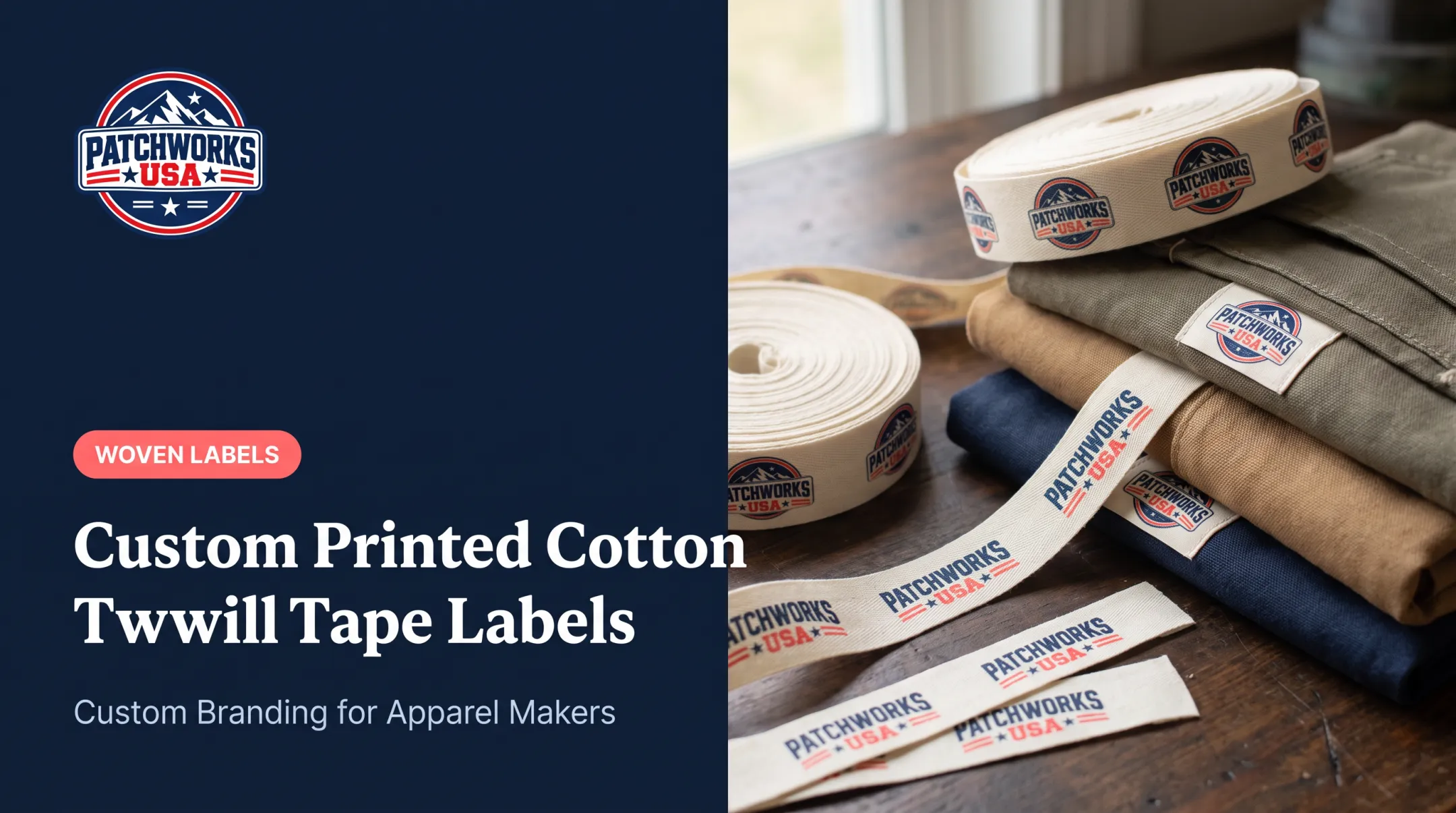
If you're developing your own denim brand or apparel line, Patchworks USA makes custom woven labels from your artwork. Available formats include:
- Straight-cut, end-fold, Manhattan, and mitre-cut
- Sew-in or heat-seal application
A stitch check flags fine-detail issues before you order, and production starts only after you approve a proof of the exact artwork, colors, and layout. Orders are quoted individually, and quote requests get a reply within one business day. Patchworks USA makes labels, not finished jeans.
Frequently Asked Questions
What is the brand tag on jeans called?
It depends on material and location: a woven label inside the seam, a leather or waistband patch, a back-pocket tab, or a care label. Terminology varies.
What makes a denim brand high quality?
Fit, fabric, construction, finishing, consistency, transparency, and aftercare. Brand name or price alone doesn't settle it.
Is raw denim worth buying for beginners?
It can be. You get personalized fades and long wear, but also stiffness, shrinkage, indigo transfer, and a break-in period. Sanforized, stretch-blend pairs are gentler starts.
What is the difference between raw denim and selvedge denim?
Raw describes finish: unwashed denim. Selvedge describes weaving: a self-finished edge. Jeans can be either one without the other.
Are made-in-USA jeans better than imported jeans?
Not automatically. US production can mean different quality control and traceability, but compare fabric, construction, fit, and repair support.
Which denim label is best for someone buying their first pair?
Start with fit and intended use. Try an accessible heritage brand first, then consider a specialist once you understand measurements, fabric, care, and return policies.